
Medication Allergy Severity Checker
This tool helps identify medication allergy severity based on symptoms. For severe reactions, always seek emergency medical care immediately.
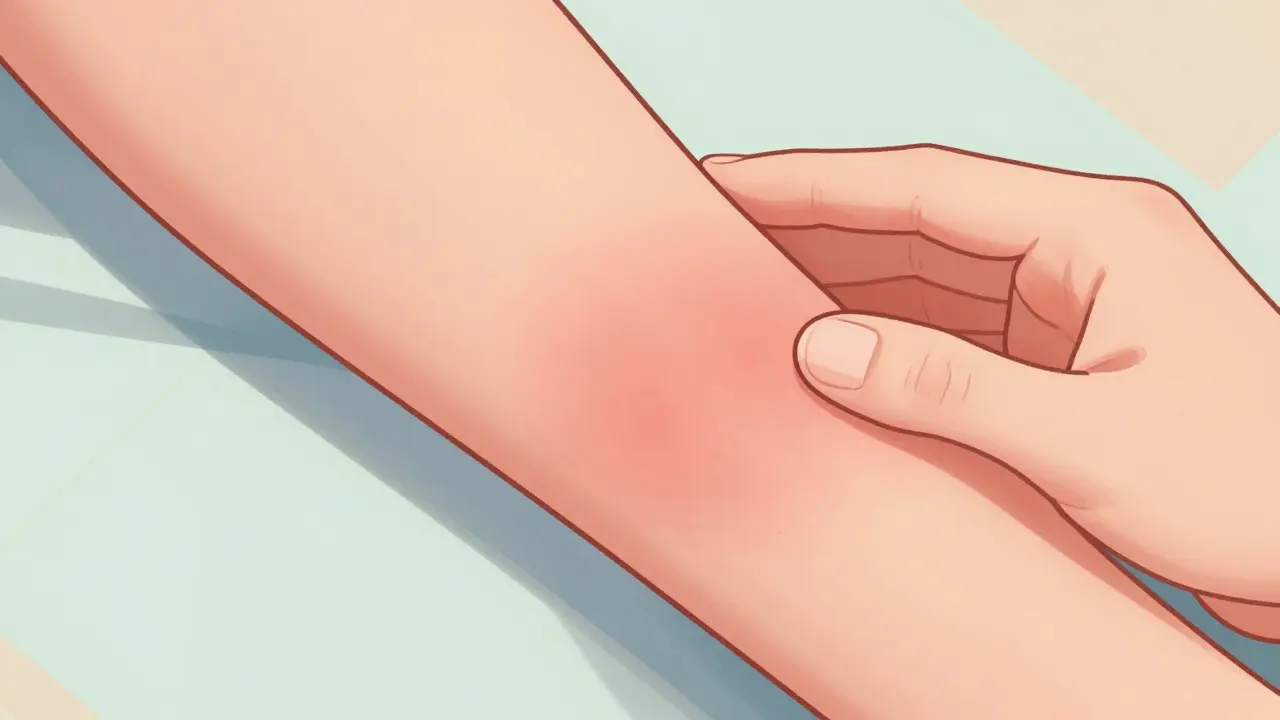
Mild reaction:
Localized rash (<10% body area), no breathing issues or low blood pressure. Common with antibiotics.
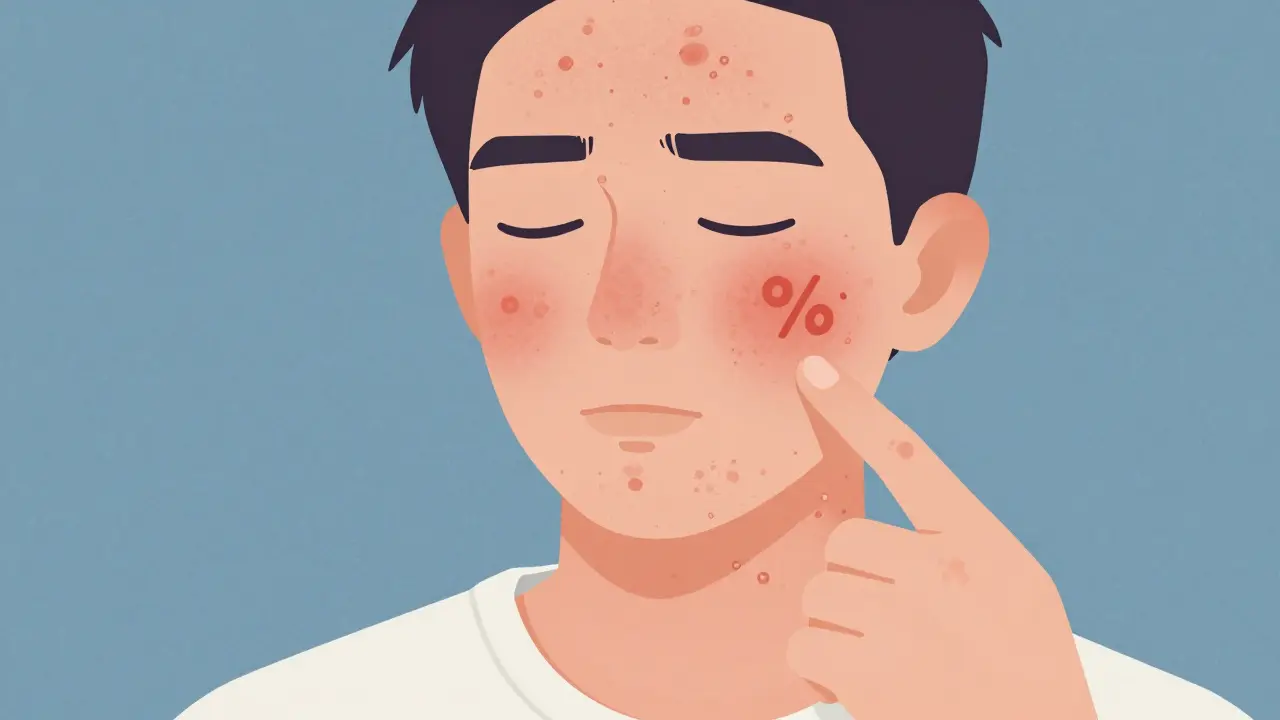
Moderate reaction:
Widespread rash (10-30%), facial swelling, fever. Requires medical monitoring.
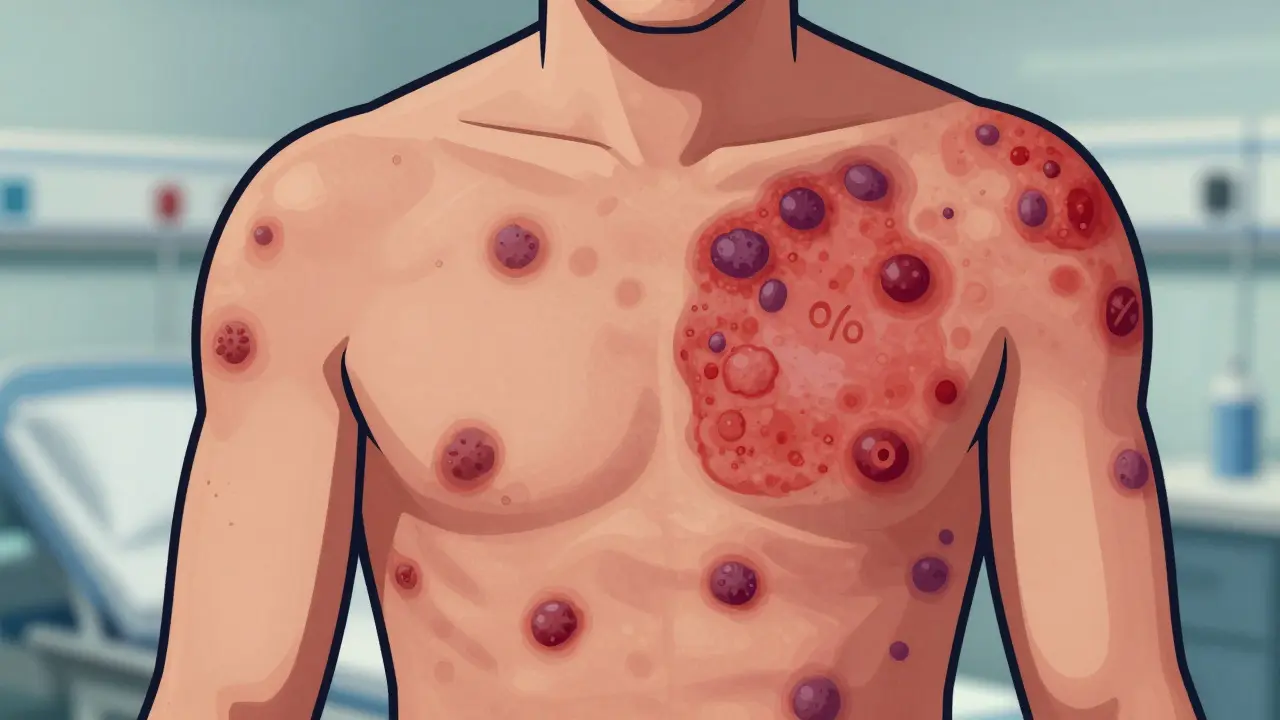
Severe reaction:
>30% body area affected, breathing difficulties, low blood pressure, blistering skin (SJS/TEN). Requires emergency care.
When your immune system mistakes a drug for a threat, it triggers a medication allergyan abnormal immune response to a pharmaceutical compound. Not all reactions are the same-some are mild, others life-threatening. Every year, thousands of people experience these reactions. A rash after taking penicillin might seem harmless, but it could signal something dangerous. Knowing the difference between mild, moderate, and severe reactions isn’t just academic-it could save your life. Let’s break down what each level looks like and how to respond.
Mild Reactions: More Than Just a Rash
Mild reactions usually involve localized symptoms. Think of a small patch of red, itchy skin on your arm after taking an antibiotic. This type of rash covers less than 10% of your body surface area. You might feel some itching, but your breathing stays normal, and your blood pressure doesn’t drop. Most people manage this with over-the-counter antihistamines like Benadryl and by stopping the medication. For example, about 60-70% of all medication allergies are mild, according to DynaMed guidelines. But even mild reactions matter. If you ignore them, they could worsen later. A 2024 Reddit thread showed 78% of users with mild reactions resolved within 24 hours with antihistamines-but 22% saw symptoms escalate if they kept taking the drug.
Moderate Reactions: When Symptoms Spread
Moderate reactions mean the immune response is spreading. Imagine hives covering 10-30% of your skin, facial swelling (called angioedema), or a fever above 38.5°C. These symptoms don’t yet threaten your breathing or blood pressure, but they need attention. Doctors typically prescribe corticosteroids like prednisone and monitor you for 4-6 hours. For instance, NSAIDs like ibuprofen cause moderate reactions in about 0.1% of users, as reported by Langford Allergy in 2024. One real-world example: a woman took ibuprofen for a headache and developed widespread hives and facial swelling. She went to urgent care, got steroids, and recovered fully within 72 hours. But skipping treatment could turn this moderate reaction into something severe. Always report moderate symptoms to your doctor-they’re a warning sign.
Severe Reactions: Life-Threatening Emergencies
Severe reactions are emergencies. Anaphylaxis can cause your throat to swell shut, blood pressure to crash, or severe difficulty breathing. Stevens-Johnson Syndrome (SJS) and toxic epidermal necrolysis (TEN) destroy skin layers-SJS affects less than 10% of your body, while TEN covers more than 30%, with mortality rates of 5-15% and 25-35% respectively. Drug reaction with eosinophilia and systemic symptoms (DRESS) syndrome can damage your liver or kidneys. If you suspect a severe reaction, call 911 immediately. Use an epinephrine auto-injector if you have one. Every minute counts. For example, penicillin causes anaphylaxis in 1-5 per 10,000 courses, but carbamazepine (an anti-seizure drug) has a 10-fold higher SJS risk in people with HLA-B*15:02 genetic markers. A Reddit user shared: "I had a mild rash on day 3, but by day 7 I had 40% body coverage with blisters. I was in ICU for 10 days." Stopping the drug early is critical.
How to Tell the Difference
| Severity Level | Common Symptoms | Body Surface Area Affected | Key Signs | Immediate Action |
|---|---|---|---|---|
| Mild | Localized rash, itching | <10% | No breathing issues, normal blood pressure | Discontinue drug, antihistamine |
| Moderate | Widespread hives, facial swelling, fever | 10-30% | Swelling without airway compromise | Discontinue, corticosteroids, monitor 4-6 hours |
| Severe | Anaphylaxis, SJS/TEN, DRESS | >10% (SJS), >30% (TEN) | BP <90, SpO2 <90, multi-organ failure | Epinephrine, ER immediately |
What to Do When a Reaction Happens
If you notice any reaction, stop taking the medication. For mild symptoms, take an antihistamine and contact your doctor. For moderate symptoms, go to urgent care. For severe symptoms-like trouble breathing, swelling in the throat, or a widespread blistering rash-call emergency services right away. Never wait to see if it gets better. A rash that seems minor today could turn into SJS tomorrow. Doctors stress that early intervention is critical. For example, vancomycin can cause "red man syndrome" (flushing and itching) in 5-15% of infusions. While uncomfortable, this is a side effect, not a true allergy. But if you get a rash with fever or blisters after vancomycin, treat it as severe until proven otherwise.
Why Accurate Diagnosis Matters
Many people think they’re allergic to penicillin when they’re not. In fact, 80% of reported penicillin allergies aren’t true IgE-mediated allergies when tested, according to Dr. Marc Riedl from UCLA. This leads to unnecessary avoidance of effective antibiotics. Proper testing-like skin tests for immediate reactions or blood tests for delayed reactions-can clarify the issue. For high-risk drugs like carbamazepine, genetic screening for HLA-B*15:02 before prescribing reduces SJS risk by 70-80%. The American Academy of Allergy, Asthma & Immunology recommends this approach. Accurate diagnosis means you get the right treatment without unnecessary risks.
Real-World Challenges
Patients often face delays in getting proper care. Trustpilot reviews of allergy clinics show 4.2/5 average scores, but users complain about long wait times for severe reaction evaluations. One person shared: "I waited 6 weeks for a penicillin challenge test after a mild rash, which delayed my necessary antibiotic treatment for a chronic infection." Meanwhile, misdiagnosis is common. A Drugs.com forum thread from April 2024 featured 27 users who had their initial "just a rash" dismissed by doctors, only to later develop SJS. One wrote: "My GP said continue the sulfa drug for UTI-3 days later I was in burn unit with 25% skin detachment." These stories highlight why clear severity guidelines and faster specialist access are urgent priorities.
How common are severe drug allergies?
About 5-10% of all drug reactions are severe. However, true allergic reactions account for only 10-15% of all adverse drug reactions. Most reactions are non-allergic side effects. For example, penicillin causes anaphylaxis in 1-5 per 10,000 courses, while carbamazepine has a higher risk of Stevens-Johnson Syndrome in people with HLA-B*15:02 genetic markers.
Can a mild reaction become severe?
Yes, especially with delayed reactions. A small rash could develop into Stevens-Johnson Syndrome if you keep taking the drug. For example, carbamazepine can cause SJS in people with HLA-B*15:02 genetic markers. If you get any rash on this medication, stop immediately and seek help. One Reddit user documented a mild rash on day 3 that turned into 40% body coverage with blisters by day 7-landing them in ICU for 10 days.
How do doctors test for drug allergies?
Skin tests for immediate reactions (like penicillin), blood tests for IgE antibodies, or lymphocyte tests for delayed reactions. But 80% of people who think they’re allergic to penicillin aren’t actually allergic when tested. For high-risk drugs like carbamazepine, genetic screening for HLA-B*15:02 before prescribing is now standard practice in many hospitals.
What’s the difference between an allergy and a side effect?
Allergies involve the immune system (e.g., hives, anaphylaxis). Side effects are predictable reactions not related to immunity (e.g., nausea from antibiotics). "Red man syndrome" from vancomycin is a side effect-dose-dependent and not IgE-mediated. True allergies can happen with any dose, while side effects often depend on how much you take.
Should I carry an epinephrine auto-injector?
Only if you’ve had a previous severe reaction. Doctors recommend it for people with known anaphylaxis risk. If you’re unsure, talk to an allergist. For example, if you’ve had anaphylaxis to penicillin before, carrying epinephrine is critical. But for mild reactions, antihistamines are usually enough. Always follow your doctor’s advice based on your specific history.
Jennifer Aronson
February 5, 2026 AT 22:40Medication allergies vary widely in severity. Mild reactions like localized rashes are common but shouldn't be ignored. I've seen patients who thought a small rash was harmless and kept taking the drug, leading to worse outcomes. Early recognition is key. For example, stopping penicillin at the first sign of rash prevents escalation. The table in the post is helpful, but real-world examples would make it clearer. Always consult a doctor for proper diagnosis. Many think they're allergic to penicillin when they're not. Testing can save lives. This article does a good job explaining the differences. Stay informed.
Kate Gile
February 7, 2026 AT 14:09I agree with the importance of early intervention. A friend of mine had a mild rash from amoxicillin and stopped the medication immediately. Symptoms cleared in 12 hours. It's crucial to listen to your body and act fast. Always report any reaction to your doctor. This article is a great resource for understanding the differences. Stay safe everyone.
Pamela Power
February 8, 2026 AT 14:44Most people are clueless about medication allergies. They think a little rash is nothing but it's a ticking time bomb. The medical community needs to do better at educating patients. Instead of relying on vague guidelines, doctors should provide clear, actionable steps. For instance, if you get any rash, stop the drug and seek help immediately. Don't wait for it to get worse. The data is clear: early intervention saves lives. Yet, so many patients ignore the warning signs. It's frustrating how little awareness there is. This article is a step in the right direction but needs more urgency in its messaging. People's lives are at stake here.
Nancy Maneely
February 8, 2026 AT 16:26Ive seen too many cases where people ignore rashes. Its a disaster waiting to happen. The medical system is broken. Doctors dont take these reactions seriously enough. I had a friend who got a rash from sulfa drugs and they told her to keep taking it. 3 days later she was in the burn unit with 25% skin detachment. This is why we need better protocols. People are dying because of negligence. The article mentions this but needs to scream it louder. Stop ignoring symptoms. Your life depends on it.
Phoebe Norman
February 9, 2026 AT 08:54Medication allergy severity is complex. Immune system response varies. Mild reactions localized rash itching. Moderate hives facial swelling fever. Severe anaphylaxis SJS TEN. DRESS syndrome multi-organ failure. The table is helpful but lacks detail. For example body surface area percentage how to measure. Clinical guidelines vary. Proper diagnosis requires testing. Many think penicillin allergy when not. Testing clarifies. High-risk drugs like carbamazepine need genetic screening. HLA-B*15:02 marker. Reducing SJS risk 70-80%. Early intervention critical. Always stop medication at first sign. Consult specialist. Patient education essential.
Dr. Sara Harowitz
February 9, 2026 AT 10:39It's absolutely critical to understand the differences between mild, moderate, and severe reactions! Ignoring symptoms is reckless and dangerous! Many people delay seeking help, which can lead to catastrophic outcomes. The data is clear: early intervention saves lives. For example, a patient with a mild rash who continues the medication may develop Stevens-Johnson Syndrome within days. This is why clear guidelines and patient education are non-negotiable! The article is informative, but it needs to emphasize the urgency more strongly. Every single person should know the warning signs and act immediately. Don't wait! Call emergency services if you suspect a severe reaction. Your life depends on it!
Johanna Pan
February 10, 2026 AT 14:34This is such an important topic. Medication allergies can be life-threatening but many people don't know the signs. I appreciate how the article breaks it down into mild moderate and severe. For example, a rash that seems minor could escalate quickly, especially with certain drugs like carbamazepine. It's crucial to stop the medication and seek medical advice. I've learned from my own experience that listening to your body is key. Always trust your instincts. The stats on penicillin allergies being false 80% of the time is eye-opening. Getting tested can save you from unnecessary restrictions. Let's keep spreading awareness. Stay safe everyone!
divya shetty
February 11, 2026 AT 23:04It is imperative that patients take medication allergies seriously. Many individuals dismiss symptoms as trivial, which is irresponsible. As a healthcare professional, I have witnessed severe consequences from delayed treatment. For instance, a rash that appears mild can rapidly escalate into a life-threatening condition. The article provides valuable information, but it must be emphasized that immediate action is required. Patients must not hesitate to seek medical attention. This is not a matter of personal choice; it is a matter of life and death. The global healthcare system must prioritize education on this issue. Every patient deserves accurate information to make informed decisions. Do not underestimate the potential severity of any reaction.
Albert Lua
February 13, 2026 AT 13:57Hey everyone, this is super important info. I've had a reaction to penicillin before and it was scary. A small rash turned into swelling and breathing issues. I'm glad this article explains the differences so clearly. It's crucial to know when to stop a drug and seek help. I always carry my EpiPen now. Sharing knowledge like this helps save lives. Let's all stay informed and look out for each other. Thanks for the great post!
Katharine Meiler
February 15, 2026 AT 05:28Collaborative care is essential in managing medication allergies. The distinction between mild moderate and severe reactions requires precise clinical evaluation. For example, a localized rash under 10% body surface area typically warrants antihistamines and discontinuation. Moderate reactions with systemic symptoms necessitate corticosteroids and monitoring. Severe reactions like anaphylaxis require immediate epinephrine and ER intervention. The data from DynaMed and Langford Allergy cited here is robust. However, patient education on recognizing symptoms is lacking. Standardized protocols could improve outcomes. I recommend genetic screening for high-risk drugs like carbamazepine. This proactive approach reduces SJS incidence significantly. Early intervention is the cornerstone of effective treatment.
Rene Krikhaar
February 16, 2026 AT 08:31I've been a nurse for 15 years and seen countless medication reactions. It's crucial to know the difference between mild moderate and severe. A small rash might seem nothing but with some drugs like carbamazepine it can escalate fast. I had a patient who got a mild rash on day 3 of carbamazepine and kept taking it. By day 7 they had blisters covering 40% of their body and were in ICU for 10 days. That's why stopping the drug immediately is so important. Many people confuse side effects with allergies. Vancomycin's red man syndrome is a side effect not an allergy but a rash with fever or blisters needs urgent attention. The stats on penicillin allergies being false 80% of the time is shocking. Proper testing can clear up confusion. For high-risk drugs like carbamazepine genetic screening for HLA-B*15:02 before prescribing is standard in many hospitals. It reduces SJS risk by 70-80%. I've seen patients who were misdiagnosed and avoided necessary antibiotics for years. Getting tested is the best way to know for sure. Always report any reaction to your doctor. Early intervention saves lives. Don't wait to see if symptoms get better. A rash that seems minor today could be deadly tomorrow. Trust your instincts and seek help immediately. The article does a great job explaining this but more real-life stories would help patients understand the urgency. I've had patients who thought their rash was nothing and it turned into SJS. It's scary how quickly things can go wrong. Always err on the side of caution. Your health is worth it.
Lisa Scott
February 17, 2026 AT 19:39Big Pharma knows but won't tell. Always be cautious.
Brendan Ferguson
February 18, 2026 AT 16:47Understanding medication allergies is vital for everyone. The article does a great job explaining the differences between mild, moderate, and severe reactions. For example, a rash that seems minor could escalate quickly, especially with certain drugs like carbamazepine. It's important to stop the medication immediately and seek medical advice. Many people confuse side effects with allergies, like vancomycin's red man syndrome. Proper testing can clarify true allergies. I've seen patients who avoided necessary antibiotics due to misdiagnosed penicillin allergies. Getting tested is the best way to know for sure. Let's all stay vigilant and informed. Thank you for sharing this valuable information.
Elliot Alejo
February 19, 2026 AT 23:10This is a critical topic. The differences between reaction severities are clear in the article. Mild reactions like localized rashes require stopping the drug and antihistamines. Moderate symptoms need corticosteroids and monitoring. Severe cases demand immediate emergency care. I've personally experienced a mild reaction and learned to always report it. Early action prevents escalation. The statistics on penicillin allergies being false 80% of the time are eye-opening. Proper testing is essential. Let's all stay vigilant and informed. Thank you for sharing this valuable information.