
Feeling good shouldn’t be a mystery. Whether you’re dealing with swelling, a skin flare‑up, or just want more energy, a few everyday habits can make a big difference. Below you’ll find quick, science‑backed ideas you can start using right now—no fancy equipment or pricey supplements required.
First up, water. Staying hydrated helps reduce edema (that puffy feeling in hands, ankles, or face) and keeps every cell working smoothly. Aim for at least eight cups a day, and add a pinch of sea salt or a splash of citrus if you’re active. Electrolytes matter too, especially if you sweat a lot; a banana or a handful of almonds can refill potassium.
Next, move your body. A short walk after meals improves digestion and blood flow, which in turn eases swelling and supports gut health. Even five minutes of gentle stretching can lower stress hormones that often flare up skin conditions like eczema.
Sleep is non‑negotiable. Your skin repairs itself, your immune system resets, and hormones find balance when you get 7‑8 hours of quality rest. Dim the lights an hour before bed, skip the phone, and let your body wind down naturally.
If a rash shows up, topical steroids like Elocon or Betnovate can calm inflammation fast—just follow the prescribed amount and don’t use them longer than advised. For infections, antibiotics such as Roxithromycin, Erythromycin, or the broader class of macrolides work well, but only take them when a doctor says so to avoid resistance.
Feeling anxious or down? Sertraline (Zoloft) is a common option that many find helpful, but it’s worth discussing potential side effects and how it fits with your daily routine. If you’re looking for natural support, supplements like zinc, propolis, or beta‑glucans may boost immunity and even help with viral outbreaks, but they’re not a full replacement for prescription antivirals like Valtrex.
Saving money on prescriptions is another part of wellness. Tools like GoodRx compare prices across pharmacies, and the latest FDA import rules let you legally bring in Canadian medication when it’s cheaper—just check the guidelines to stay on the right side of the law.
Finally, if you’re managing a chronic condition at work, clear communication and reasonable accommodations can keep you productive without sacrificing health. Simple steps like flexible scheduling, ergonomic setups, or remote work days can make a huge impact.
Putting these pieces together—hydration, movement, sleep, smart medication use, and savvy budgeting—creates a solid foundation for daily health. Start with one habit, see how you feel, then add another. Small changes add up, and before you know it, you’ll notice more energy, clearer skin, and a calmer mind.
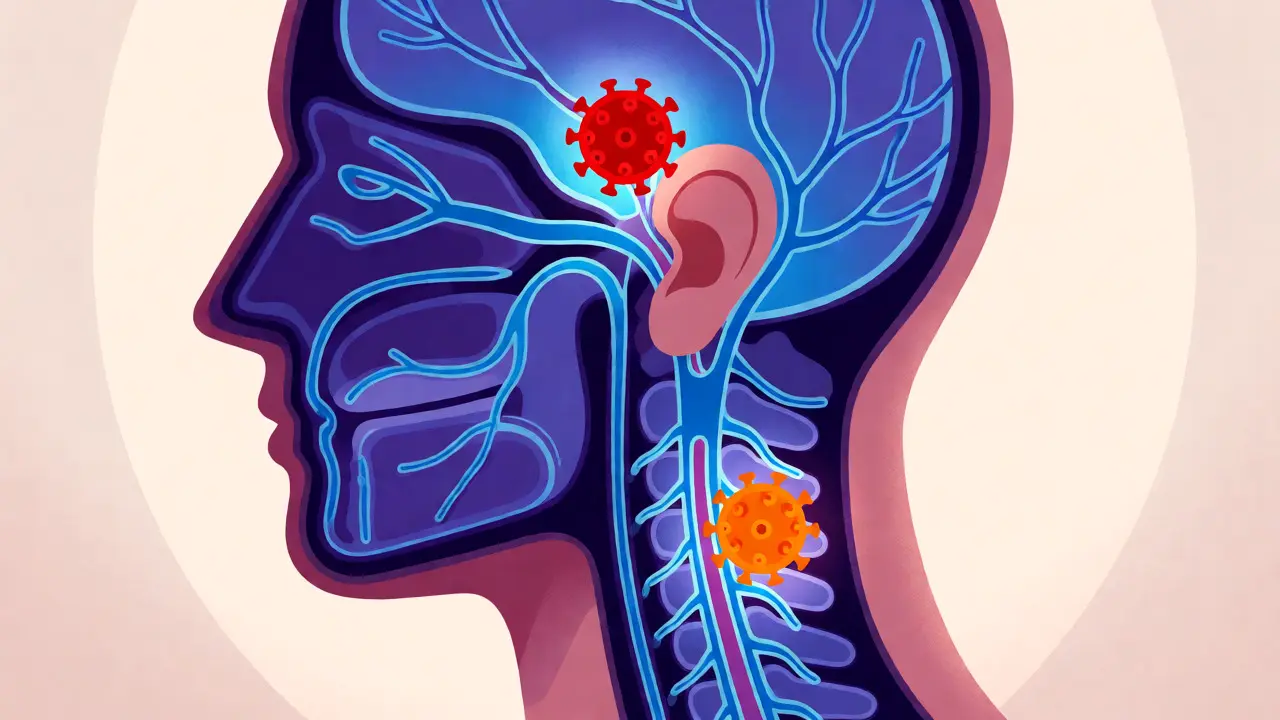
Discover the facts about Herpes Simplex Virus types, symptoms, and treatments. Learn how HSV-1 and HSV-2 differ, how to diagnose them, and manage outbreaks with antivirals.
read more
Discover the hidden risks of medications and dietary supplements, including drug interactions, toxicity, and regulatory gaps. Learn practical steps to protect your health.
read more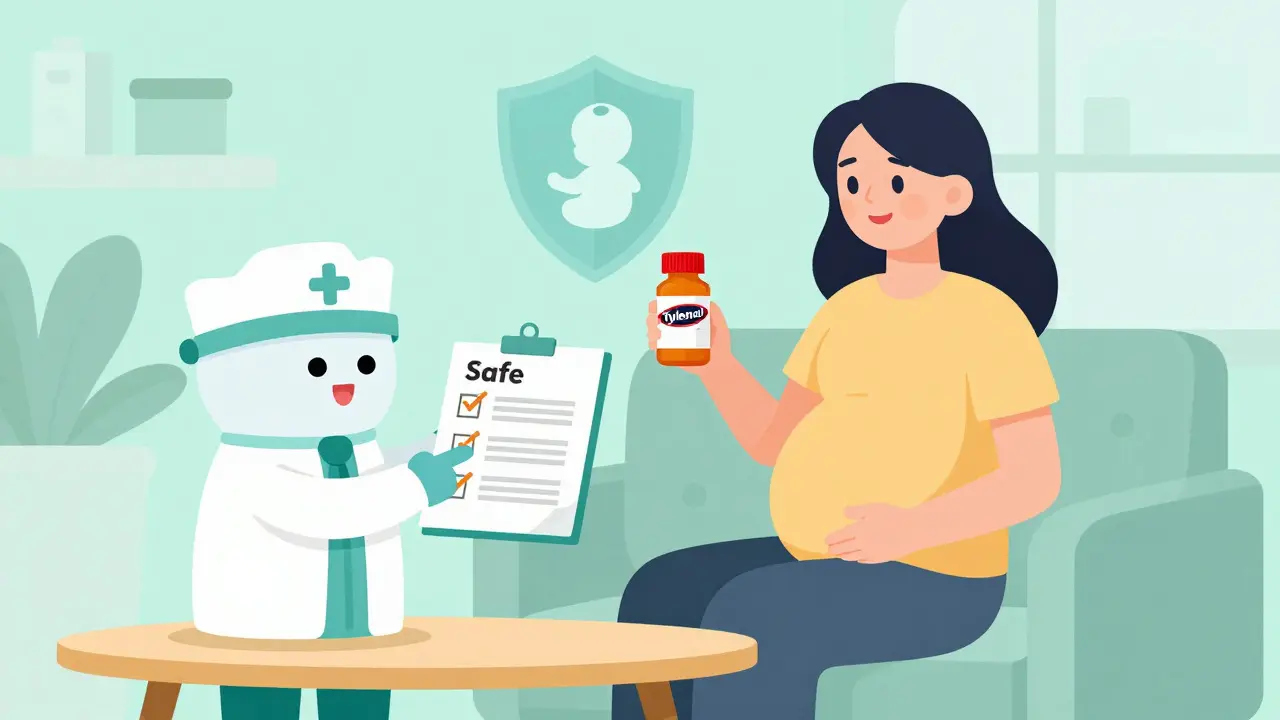
A complete guide to medications safe during pregnancy, covering pain relief, allergies, nausea, and digestive issues. Learn which drugs to take and which to avoid based on latest ACOG and FDA guidelines.
read more
Learn how to train yourself to check medication labels before every dose. Discover the Three-Touch Method, essential label elements, and habit-building tips to prevent dangerous medication errors.
read more
The FDA's Black Box Warning for antidepressants alerts users to increased suicide risks in young people. We explain the science, controversy, and what patients should know.
read more
Learn how diabetic retinopathy damages the retina and why laser treatment is essential to prevent blindness. Discover symptoms, stages, and actionable steps to protect your vision.
read more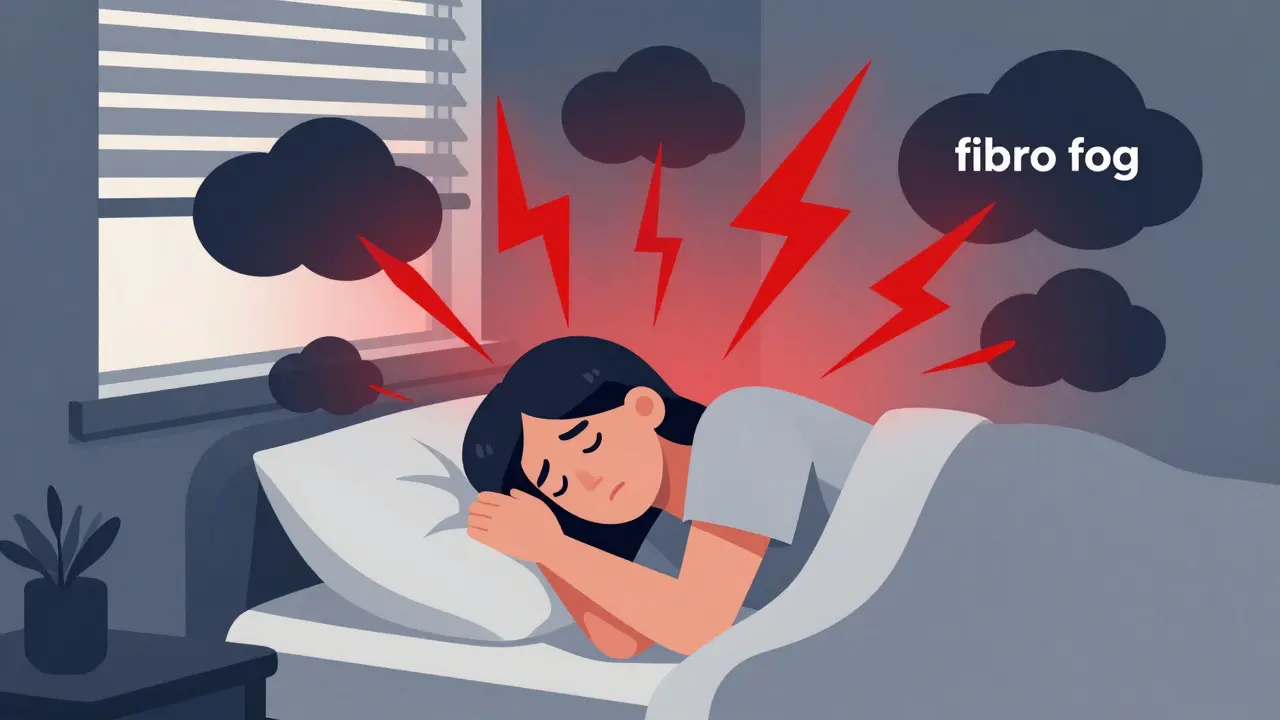
Discover practical pain control strategies and lifestyle adjustments for living with fibromyalgia. Learn about FDA-approved medications, graded exercise plans, CBT techniques, and how to manage flare-ups effectively.
read more
Learn how Medicare Part D works in 2026, including the $2,100 out-of-pocket cap, Extra Help eligibility, and tips to lower drug costs.
read more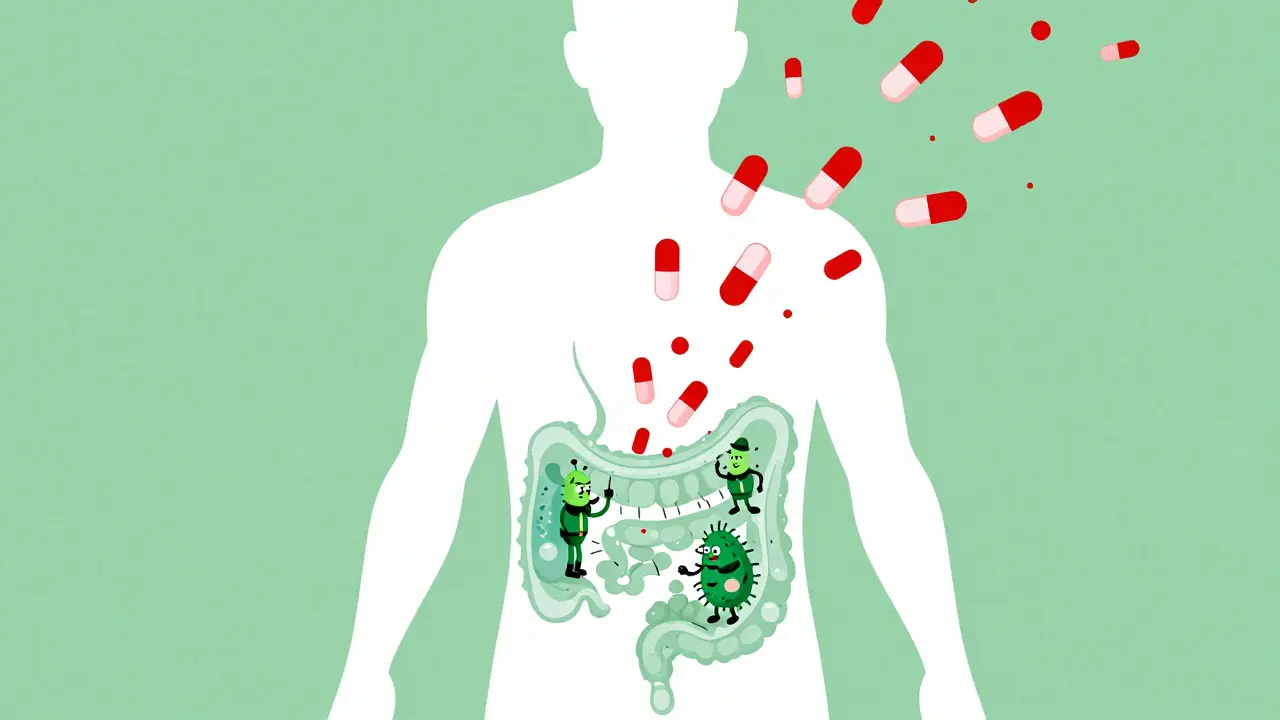
Learn how to safely use probiotics with antibiotics to reduce side effects like diarrhea. Discover the best strains, timing strategies, and potential risks for protecting your gut health.
read more
Discover which medications to avoid during pregnancy, including NSAIDs and certain antibiotics, and learn about safe alternatives for pain, allergies, and chronic conditions based on latest FDA warnings.
read more
Understand the link between insulin resistance and metabolic syndrome. Learn how to spot early signs, manage blood sugar, and reverse Type 2 Diabetes risks with diet, exercise, and new medical treatments.
read more
Learn how to manage long-term effects and monitor for recurrence during cancer survivorship. Discover the value of survivorship care plans, late effect management, and coordinating care between oncologists and primary providers.
read more