
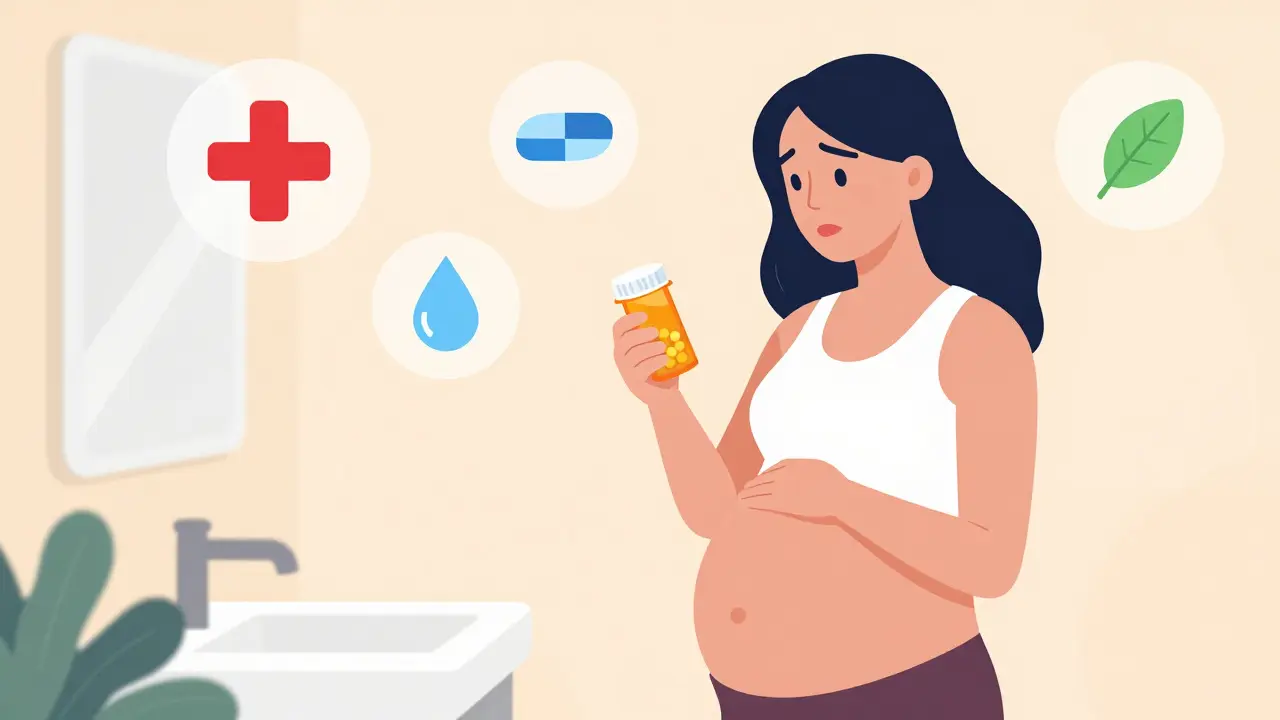
Imagine finding out you’re pregnant and immediately wondering if that morning pill was a mistake. It’s a stressful thought, but you are not alone. According to the Centers for Disease Control and Prevention (CDC), about 90% of pregnant women in the United States take at least one medication during their pregnancy. That means most of us rely on meds to manage pain, allergies, or chronic conditions even when we’re growing a baby. The good news? Most medications are safe. But some carry serious risks that can lead to birth defects or other complications.
The landscape of pregnancy medication safety has changed dramatically since the 1960s. Back then, the thalidomide tragedy taught the world a hard lesson about fetal harm. Today, we have better data, stricter regulations, and clearer guidelines. In 2015, the FDA replaced its old letter-grade system (A, B, C, D, X) with more detailed narrative labels called the Pregnancy and Lactation Labeling Rule (PLLR). This change helps doctors and patients understand specific risks rather than relying on vague categories. Knowing which pills to skip and what to use instead is one of the most important steps you can take for your baby’s health.
Key Takeaways
- Avoid NSAIDs after 20 weeks: Drugs like ibuprofen and naproxen can cause kidney failure in the fetus and low amniotic fluid.
- Re-evaluate acetaminophen use: While still considered the safest option for occasional pain, recent studies suggest limiting long-term use due to potential links with ADHD and autism.
- Skip certain antibiotics and blood pressure meds: Tetracyclines stain baby teeth, and ACE inhibitors can cause fatal kidney issues in the fetus.
- Plan ahead for chronic conditions: If you take medication for epilepsy, depression, or acne, talk to your doctor before trying to conceive to switch to safer alternatives.
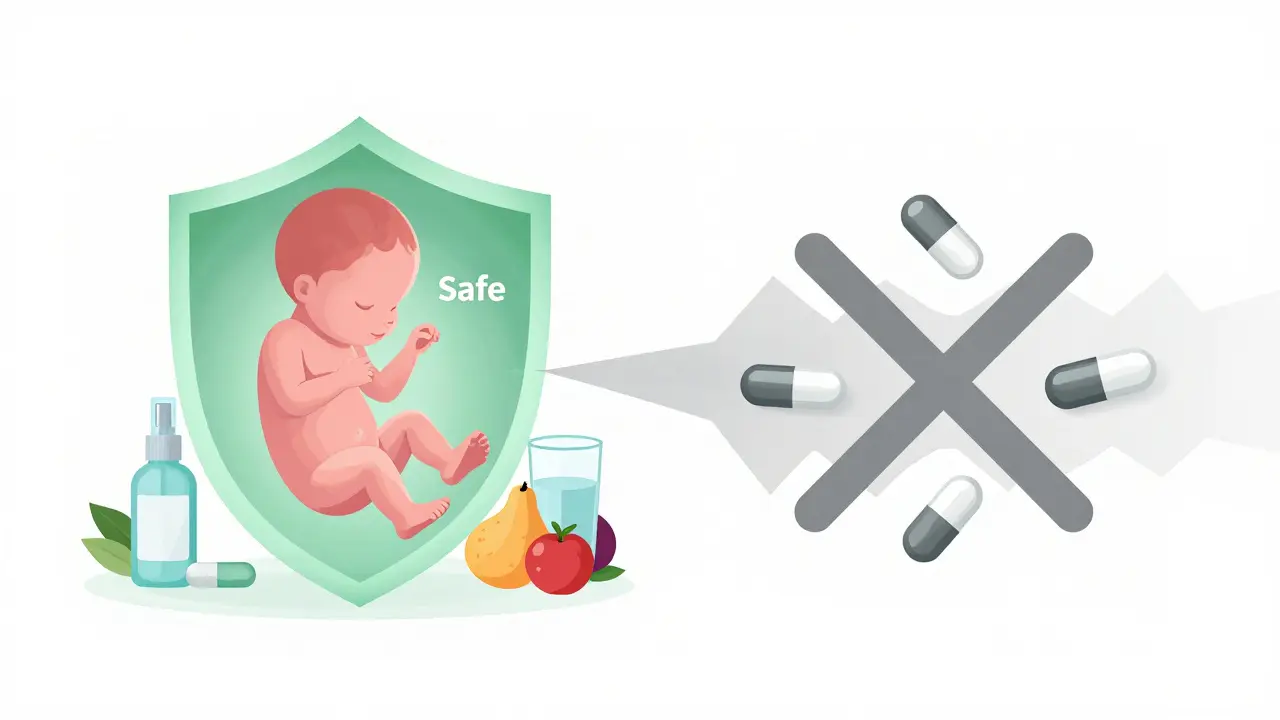
- Use natural remedies first: Saline sprays, fiber, and hydration are often effective and completely safe starting points for common discomforts.
Common Pain Relievers: What to Skip and What to Use
Headaches and backaches are common during pregnancy, but treating them requires care. For years, acetaminophen (Tylenol) was the go-to recommendation. However, the conversation is shifting. A 2021 study published in JAMA Pediatrics involving 95,000 mother-child pairs found that prolonged use of acetaminophen was associated with a 28.6% increased risk of ADHD and a 20.4% increased risk of autism spectrum disorder in children. On September 22, 2025, the FDA issued a Notice to Physicians recommending that pregnant women minimize acetaminophen use for routine low-grade fevers.
Does this mean you should never take Tylenol? Not necessarily. Dr. Sarah Obican, a maternal-fetal medicine specialist, notes that untreated high fevers (≥102°F) pose a greater immediate risk, potentially increasing neural tube defect risks by 8.2-fold. The key is balance. If you need pain relief, use the lowest effective dose (325-650 mg) for the shortest time possible. Do not exceed 3,000 mg per day. For mild discomfort, try non-drug approaches first: warm compresses, gentle stretching, or acupuncture.
On the other hand, you must strictly avoid NSAIDs (non-steroidal anti-inflammatory drugs) like ibuprofen (Advil, Motrin) and naproxen (Aleve), especially after 20 weeks of gestation. The FDA warned in October 2020 that using these drugs later in pregnancy can cause fetal kidney failure and oligohydramnios (low amniotic fluid). Studies show a 1.5- to 2-fold increased risk of these complications. Even aspirin should be avoided unless your doctor specifically prescribes a low dose (60-150 mg daily) to prevent preeclampsia.
Antibiotics and Blood Pressure Medications
If you get an infection or have high blood pressure, the type of medication matters immensely. Some antibiotics are perfectly fine, while others can cause lasting damage. You should avoid tetracyclines (like doxycycline) because they can cause permanent tooth discoloration and impair bone growth in the developing baby. Another class to steer clear of is fluoroquinolones (like ciprofloxacin). A 2015 study linked these drugs to a 1.9-fold increased risk of musculoskeletal disorders in newborns. Instead, ask your doctor about penicillin or cephalosporins, which have extensive safety records in pregnancy.
For blood pressure management, the stakes are even higher. If you take ACE inhibitors (such as lisinopril or benazepril) or ARBs (such as valsartan), you must stop them immediately upon confirming pregnancy. These drugs are associated with a 30-50% risk of fetal renal failure, oligohydramnios, and even neonatal death. The New England Journal of Medicine documented these severe outcomes in a 2019 report. Safer alternatives include methyldopa or labetalol, which have been used safely for decades. Never stop blood pressure medication without consulting your healthcare provider, as uncontrolled hypertension also poses significant risks to both you and the baby.
Chronic Conditions: Epilepsy, Acne, and Depression
Managing chronic conditions during pregnancy requires careful planning, ideally before conception. For women with epilepsy, valproic acid carries a high risk of major congenital malformations-about 10.7% compared to 2.8% in the general population. If you are taking valproate, work with your neurologist to switch to safer options like lamotrigine or levetiracetam before getting pregnant. Lamotrigine has a much lower malformation rate of around 2.2%, according to the NEAD study.
Acne treatments also need attention. isotretinoin (Accutane) is strictly prohibited during pregnancy. It has a greater than 25% risk of causing severe birth defects, including craniofacial, cardiac, and central nervous system abnormalities. The FDA’s iPLEDGE program mandates strict contraception for anyone taking this drug. For acne, topical treatments like benzoyl peroxide are generally considered safer, but always check with your dermatologist.
Mental health is equally critical. Untreated depression increases the risk of preterm birth by 64% and low birth weight by 73%. While some antidepressants like paroxetine (Paxil) carry a small risk of cardiac defects, the benefits of treatment often outweigh the risks. A landmark 2016 JAMA study found that SSRIs slightly increased the risk of persistent pulmonary hypertension of the newborn (PPHN), but stopping medication could lead to a 20-25% chance of depression relapse. Your doctor will help you weigh these risks carefully.
Safe Alternatives for Common Discomforts
You don’t always need prescription drugs to feel better. Here are evidence-based, safe alternatives for common pregnancy ailments:
| Symptom | First-Line Treatment | Medication Alternative (If Needed) | Safety Note |
|---|---|---|---|
| Nasal Congestion | Saline nasal spray | Pseudoephedrine (Sudafed) | Safe after first trimester; avoid if you have high blood pressure. |
| Allergies | Saline rinse, avoiding triggers | Loratadine (Claritin) or Cetirizine (Zyrtec) | Second-generation antihistamines have strong safety data from MotherToBaby registry. |
| Constipation | Dietary fiber (25-30g/day), water | Docusate sodium (Colace) or Polyethylene glycol (Miralax) | Category B safety rating; no increased risk of malformations in over 700 exposed pregnancies. |
| Heartburn | Small meals, avoiding spicy foods | Calcium carbonate (Tums) | Antacids are generally safe; avoid those containing sodium bicarbonate in large amounts. |
For allergies, second-generation antihistamines like loratadine (10 mg daily) and cetirizine (10 mg daily) are excellent choices. The MotherToBaby pregnancy registry has tracked over 2,000 exposures with no increased risk of birth defects. For constipation, start with diet and hydration. If that doesn’t work, docusate sodium or polyethylene glycol are safe and effective, backed by data from the Teratology Information System.

Practical Steps for Medication Management
Preparation is your best defense. During the first trimester (weeks 1-12), organogenesis occurs, making it the most sensitive period for medication exposure. This is why preconception counseling is vital. If you plan to become pregnant, review all your current medications with your doctor. Create a complete list of everything you take, including over-the-counter drugs and supplements.
Use reliable resources to verify safety. The MotherToBaby service, operated by the Organization of Teratology Information Specialists, provides fact sheets accessed 2.3 million times annually. They offer unbiased information based on the latest research. Also, keep an eye on regulatory updates. The FDA regularly updates labeling requirements, such as the 2020 mandate for NSAID warnings. Staying informed ensures you make the safest choices for your family.
Frequently Asked Questions
Can I take ibuprofen during early pregnancy?
It is generally recommended to avoid ibuprofen throughout pregnancy, but especially after 20 weeks. While the most severe risks (kidney failure and low amniotic fluid) occur in the third trimester, many doctors advise against using NSAIDs at any stage due to potential effects on implantation and miscarriage risk. Acetaminophen is the preferred alternative for pain relief.
Is it safe to take vitamins and supplements while pregnant?
Most prenatal vitamins are safe and essential. However, be cautious with herbal supplements and high doses of certain vitamins. For example, excessive vitamin A (retinol) can be harmful. Always consult your healthcare provider before starting any new supplement, as "natural" does not always mean "safe" for a developing fetus.
What should I do if I accidentally took a banned medication?
Don’t panic. Contact your healthcare provider immediately. Many single-dose exposures do not result in harm. Your doctor can assess the specific drug, dosage, and timing of exposure to determine the actual risk. Resources like MotherToBaby can also provide detailed risk assessments based on teratology data.
Are there safe antibiotics for urinary tract infections during pregnancy?
Yes. Untreated UTIs can lead to serious complications like preterm labor. Safe antibiotic options include penicillins (like amoxicillin) and cephalosporins. Your doctor will choose the safest option based on your allergy history and local resistance patterns. Avoid tetracyclines and fluoroquinolones.
How does the FDA's 2025 notice on acetaminophen change things?
The FDA’s September 2025 notice recommends minimizing acetaminophen use for routine low-grade fevers due to emerging links with neurodevelopmental issues. However, it does not ban the drug. For high fevers or significant pain, the benefit of treatment usually outweighs the potential risk. Always use the lowest dose for the shortest duration and discuss concerns with your doctor.
Brett Webster
June 10, 2026 AT 13:46It is genuinely alarming to see how much the guidelines on acetaminophen have shifted in recent years. I remember being told it was completely safe for everything from headaches to fevers, but the new data regarding neurodevelopmental risks really changes the conversation. It makes sense that we are moving towards a more cautious approach with any medication during pregnancy. The key takeaway here seems to be moderation and consulting your doctor before taking anything routine. We need to respect the boundaries of our bodies and the developing fetus while managing our own health needs effectively.
Sherry Wheeler
June 11, 2026 AT 08:49This article is such a breath of fresh air for anyone feeling overwhelmed by the endless lists of 'don'ts'!
I know so many women who panic every time they take a single pill, fearing they’ve ruined their baby’s future. But look at this: most medications are actually fine if used correctly. The thalidomide tragedy taught us hard lessons, yes, but modern medicine has come so far since then. Instead of living in fear, let’s focus on empowerment through knowledge. Knowing which alternatives exist-like saline sprays or specific antihistamines-gives you control back. You are doing an amazing job just by seeking out this information. Trust your instincts, talk to your provider, and remember that untreated conditions can sometimes be riskier than the meds themselves. You've got this! ✨
shreya sinha
June 12, 2026 AT 12:59One must critically evaluate the source of these recommendations, as it appears heavily influenced by Western pharmaceutical interests rather than holistic wisdom. The suggestion to avoid certain antibiotics without considering the severity of infection is irresponsible and potentially dangerous advice for populations with limited access to alternative care. Furthermore, the emphasis on FDA guidelines ignores the fact that regulatory bodies often lag behind scientific consensus due to bureaucratic inertia. It is morally questionable to promote a one-size-fits-all approach when individual genetic predispositions and environmental factors play such significant roles in fetal development. Parents should not blindly follow these simplified charts but instead engage in deep philosophical inquiry about the nature of healing and the body's innate ability to self-regulate without chemical interference.
Lee Coates
June 13, 2026 AT 17:57Ha! Another day, another government agency telling us what to do with our own bodies. :P
First it was smoking, then it was sugar, now it’s Tylenol? Give me a break. I grew up on Advil and turned out just fine, didn’t I? Maybe the real issue isn’t the pills but the fact that people are too lazy to deal with pain naturally. If you’re pregnant, maybe try lifting weights or eating some actual food instead of popping chemicals every time your head hurts. But sure, keep listening to the experts who change their minds every five years. Makes total sense. /s
Miranda River
June 14, 2026 AT 09:42honestly this whole thing is super sketchy ngl. like sure the fda says one thing but have u seen the comments section on other posts? ppl are saying tylenol is totally fine and others are saying its poison. its confusing af. i think the real tea is that big pharma just wants us to buy their fancy new 'safe' alternatives which cost way more. also why is everyone so obsessed with adhd links? my cousin took tylenol all her pregnancy and her kid is a genius. correlation does not equal causation yall. stop spreading fear mongering vibes. #trustthejourney
Brandon Brodsky
June 15, 2026 AT 02:30The dramatic shift in tone regarding NSAIDs is quite amusing, considering how long ibuprofen was considered the gold standard. Now suddenly it’s a villain? Typical. The medical community loves to create panic over minor statistical anomalies to justify stricter regulations. Meanwhile, the actual dangerous stuff like high-dose vitamin A supplements gets a free pass because it’s 'natural.' People need to wake up and realize that no drug is truly safe, only relatively less harmful depending on the context. This article reads like a scare tactic designed to make you consult a doctor for every sneeze, thereby increasing healthcare costs. Brilliant strategy, really.
Ganesh Honikol
June 16, 2026 AT 08:15I would like to add a supportive note regarding the importance of preconception counseling, which is often overlooked in these discussions. Many individuals are unaware that switching medications such as valproic acid to safer alternatives like lamotrigine should ideally happen before conception to minimize risks during organogenesis. It is crucial to understand that the first trimester is a period of intense cellular differentiation, making it particularly sensitive to teratogenic effects. Therefore, proactive management of chronic conditions such as epilepsy or hypertension is not merely advisable but essential for optimal outcomes. Please ensure you maintain open communication with your healthcare providers to tailor a plan that addresses both maternal well-being and fetal safety comprehensively. :)
Callie Skipper
June 16, 2026 AT 10:47i mean yeah just dont eat bad food and drink water lol