
Antidepressant Risk-Benefit Simulator
Patient Profile Inputs
Adjust factors to see how they influence treatment decisions.
Clinical Assessment
Based on age group & untreated severity.
- ⚠ Age 20 falls within the highest risk demographic (under 24).
- ⚠ Moderate depression carries significant impairment without treatment.
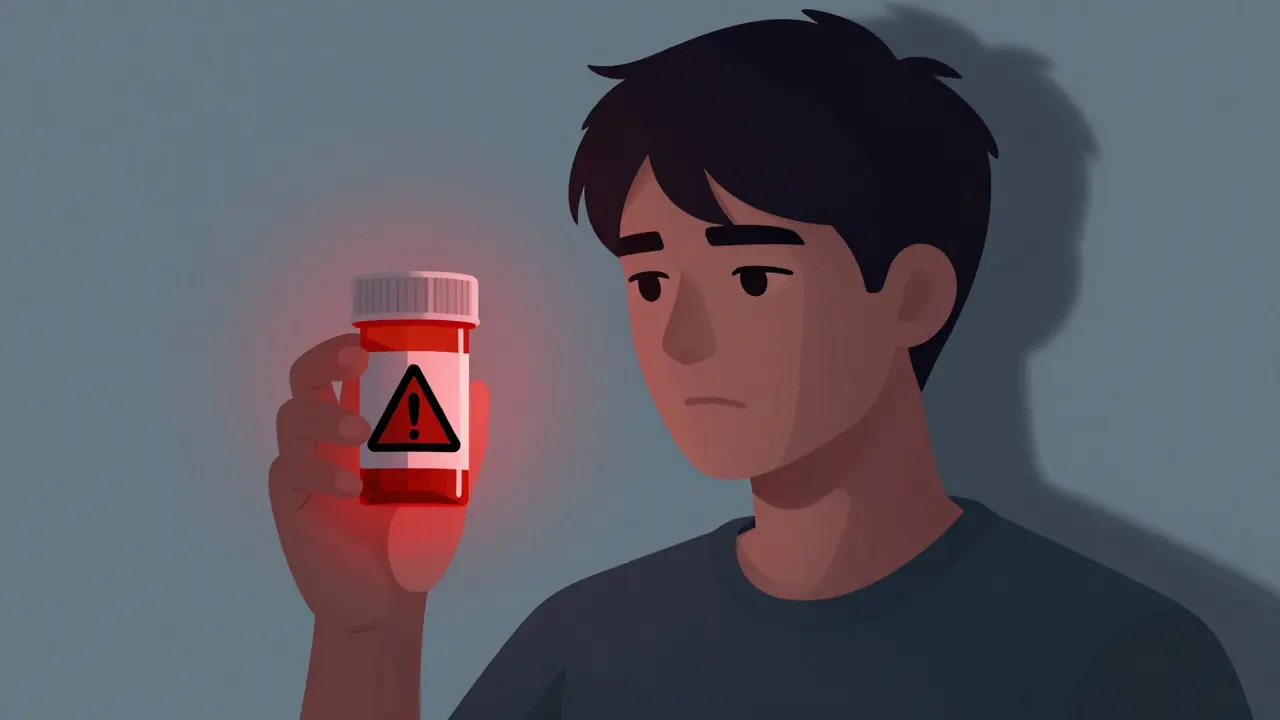
Imagine being prescribed a life-saving medication for severe depression, only to find a stark warning label suggesting it might make you want to end your life. This isn’t a hypothetical scenario; it’s the reality behind the FDA Black Box Warning for antidepressants. Issued in 2004 and expanded in 2006, this warning is the most severe safety alert the U.S. Food and Drug Administration can place on a drug without banning it. It specifically flags an increased risk of suicidality-suicidal thoughts and behaviors-in children, adolescents, and young adults up to age 24 taking these medications.
If you or a loved one are navigating depression treatment, understanding this warning is crucial. It doesn’t mean antidepressants are dangerous for everyone, but it does mean the conversation around mental health treatment has become more complex. Let’s break down what the warning actually says, why it exists, and how it affects real-world care today.
What Is the Black Box Warning?
The term "Black Box" refers to the bold, bordered box that appears at the very beginning of a drug’s package insert. It’s designed to be impossible to miss. For antidepressants, this box warns healthcare providers and patients that these drugs may increase the risk of suicidal thinking and behavior (suicidality) in children, adolescents, and young adults.
This warning applies to all classes of antidepressants, including selective serotonin reuptake inhibitors (SSRIs like fluoxetine, sertraline, and citalopram) and other types such as venlafaxine and bupropion. The warning was originally based on data from 24 short-term clinical trials involving over 4,400 patients with major depressive disorder, obsessive-compulsive disorder, or other psychiatric conditions. These studies showed that about 4% of patients taking antidepressants experienced suicidal events, compared to 2% of those taking a placebo. Importantly, no actual suicides occurred in these specific trials.
| Aspect | Detail |
|---|---|
| Issued By | U.S. Food and Drug Administration (FDA) |
| Initial Date | October 2004 |
| Age Group Affected | Children, adolescents, and young adults up to age 24 |
| Risk Identified | Increased suicidal thoughts and behaviors (not completed suicides in trials) |
| Required Action | Prescribers must provide a Patient Medication Guide (MedGuide) |
The warning mandates that every patient receiving an antidepressant prescription gets a Patient Medication Guide. This document explains the risks and advises families to monitor for sudden changes in mood, behavior, or thinking, especially during the first few months of treatment or after dosage changes.
Why Was the Warning Created?
The decision wasn’t made lightly. In September 2004, two FDA advisory committees-the Psychopharmacologic Drugs Advisory Committee and the Pediatric Drugs Advisory Committee-reviewed the data. They recommended the boxed warning because they believed the potential risk to young people outweighed the uncertainty of untreated depression in some cases.
To ensure accuracy, the FDA didn’t just rely on pharmaceutical company data. They commissioned an independent analysis led by ten pediatric suicidologists from Columbia University. These experts blindly reclassified the data from the original trials to see if the signal for increased suicidality held up. It did. The finding was statistically significant enough to warrant the highest level of caution.
Critics argue that the warning focuses too narrowly on short-term trial data. Depression is a chronic condition, and these trials lasted only up to four months. However, the FDA’s stance remains that even short-term increases in suicidal ideation are unacceptable risks that require clear communication.
The Controversy: Does the Warning Help or Harm?
Since its implementation, the Black Box warning has been one of the most debated topics in psychiatry. The core question is simple: Did saving lives by highlighting risks lead to more deaths by discouraging treatment?
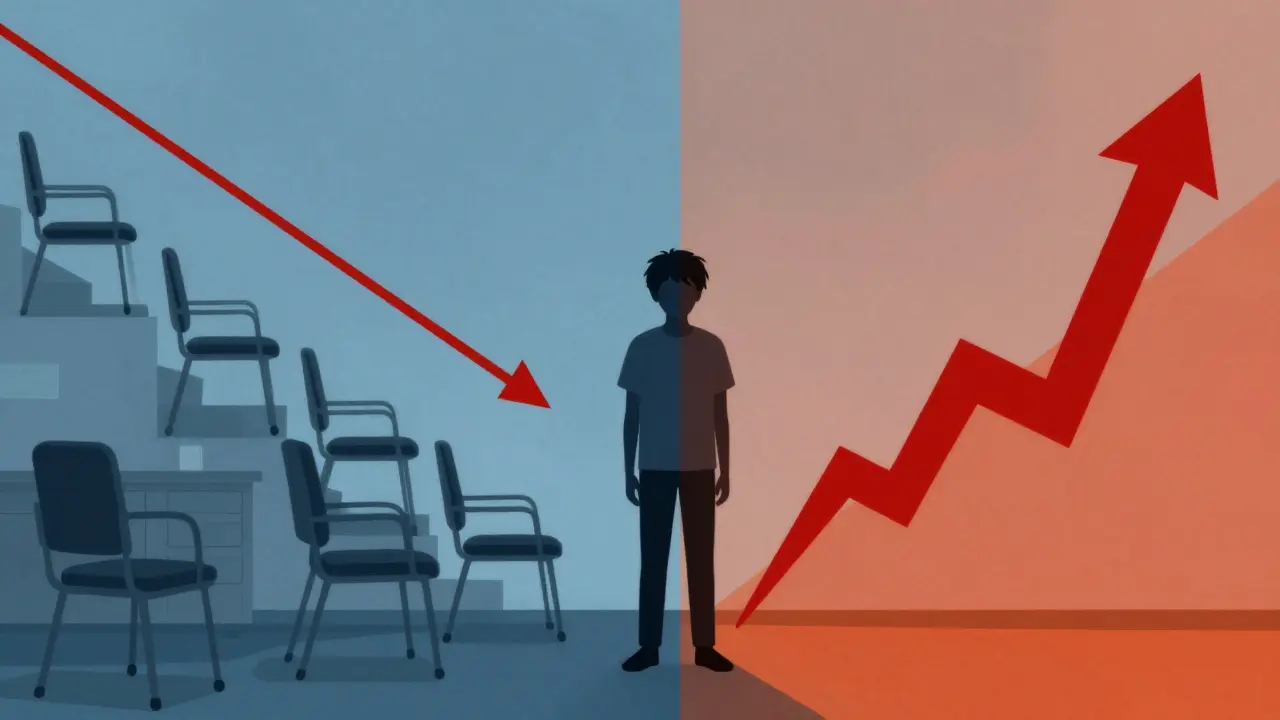
A 2023 study published in Health Affairs by Jeffrey A. Bridge and colleagues analyzed over fifteen years of data using rigorous quasi-experimental methods. Their findings were stark. The study concluded that the warning likely resulted in more harm than benefit. Here’s what happened:
- Physician visits for depression dropped by 14.5%.
- Depression diagnoses fell by 19.7%.
- Antidepressant prescriptions decreased by 22.3%.
- Psychotherapy visits declined by 17.1%.
Paradoxically, while fewer young people were getting treated, suicide deaths among youth increased by 14.9%. Emergency department visits for psychotropic drug poisonings also rose by 28.6%, suggesting that when standard treatments were avoided, some individuals turned to more dangerous methods of self-harm.
On the other side of the debate, researchers like David Healy argue that these studies are methodologically weak. He points out that case-control studies still show an increased risk of suicide attempts among youth taking antidepressants, even after controlling for confounding variables. His view is that untreated depression itself carries a massive suicide risk, and reducing access to effective medication plays directly into that danger.
Impact on Clinical Practice
For doctors and therapists, the Black Box warning changed how they approach treatment. Many clinicians report that patients and families often misinterpret the warning. They hear “antidepressants cause suicide” rather than “antidepressants may increase suicidal thoughts in some young people during early treatment.”
This misunderstanding leads to refusal of treatment. There are documented cases where patients with Major Depressive Disorder refused pharmacological intervention solely due to fear of the Black Box warning, potentially leaving them vulnerable to worsening symptoms. The American Psychiatric Association emphasizes that the benefits of treating severe depression generally outweigh the risks for most patients.
In response to the controversy, the European Medicines Agency (EMA) took a different approach. Instead of a Black Box warning, they implemented a less severe label focusing on close monitoring. This highlights how regulatory bodies worldwide weigh risk differently. The FDA maintains its strict stance, arguing that transparency is paramount.

Current Status and Future Directions
As of 2026, the Black Box warning remains in place. However, the landscape is shifting. In 2022, the FDA’s Pediatric Advisory Committee reviewed new evidence and decided to maintain the warning but updated the language to better clarify the risk-benefit profile. The goal is to reduce alarmism while preserving safety.
Recent research suggests a move toward more nuanced warnings. A 2021 meta-analysis indicated that the risk varies significantly by medication. For example, paroxetine showed higher risks, while others like fluoxetine had minimal increased risk. The future may see medication-specific warnings rather than a blanket class-wide alert.
The American College of Neuropsychopharmacology recommends individualized risk assessment and careful monitoring during the initial treatment phase. This means regular check-ins with prescribers, especially in the first few weeks when energy levels might improve before mood does-a window where suicidal risk can temporarily rise.
What Should Patients and Families Do?
If you are considering antidepressants for yourself or a child, don’t let the Black Box warning stop you from seeking help. Untreated depression is deadly. Instead, use the warning as a tool for proactive care.
- Talk openly with your doctor. Discuss the risks and benefits specific to your situation. Ask which medication has the best safety profile for your age group.
- Monitor closely. Keep a daily log of mood, sleep, and behavior. Watch for sudden agitation, anxiety, or talk of death.
- Engage support systems. Involve family members or trusted friends who can observe changes you might miss.
- Combine treatments. Psychotherapy alongside medication often yields better outcomes and reduces reliance on drugs alone.
Remember, the warning is about awareness, not avoidance. Millions of young people take antidepressants safely every year. The key is informed vigilance.
Does the Black Box Warning mean antidepressants cause suicide?
No. The warning states that antidepressants may increase the risk of suicidal thoughts and behaviors in some young people, particularly during the first few months of treatment. It does not say the drugs cause suicide. In fact, untreated depression carries a much higher risk of suicide than the treated condition.
Which antidepressants have the Black Box Warning?
All antidepressants currently approved by the FDA carry the Black Box Warning for suicidality in patients under 24. This includes SSRIs like fluoxetine (Prozac), sertraline (Zoloft), citalopram (Celexa), and others like venlafaxine (Effexor) and bupropion (Wellbutrin).
Why does the warning apply to adults up to age 24?
The FDA expanded the warning in 2006 to include young adults up to age 24 because data suggested that the risk of suicidal ideation extends beyond adolescence into early adulthood. This demographic is particularly vulnerable to mood disorders and transitional stressors.
Can I refuse antidepressants due to the warning?
You have the right to refuse any medication, but refusing treatment for severe depression can be dangerous. Studies show that reduced access to antidepressants has been linked to increased suicide rates. Discuss your concerns with your doctor to explore alternatives or combined therapies like counseling.
How long do I need to monitor for suicidal thoughts?
Closest monitoring is needed during the first few weeks of starting treatment or after changing doses. This is when energy levels may improve before mood stabilizes, creating a temporary window of increased risk. Continue monitoring throughout treatment, but the highest vigilance is required initially.