
Probiotic & Antibiotic Timing Planner
Configuration
Your Recommended Schedule
Click "Generate Schedule" to see your personalized timeline.
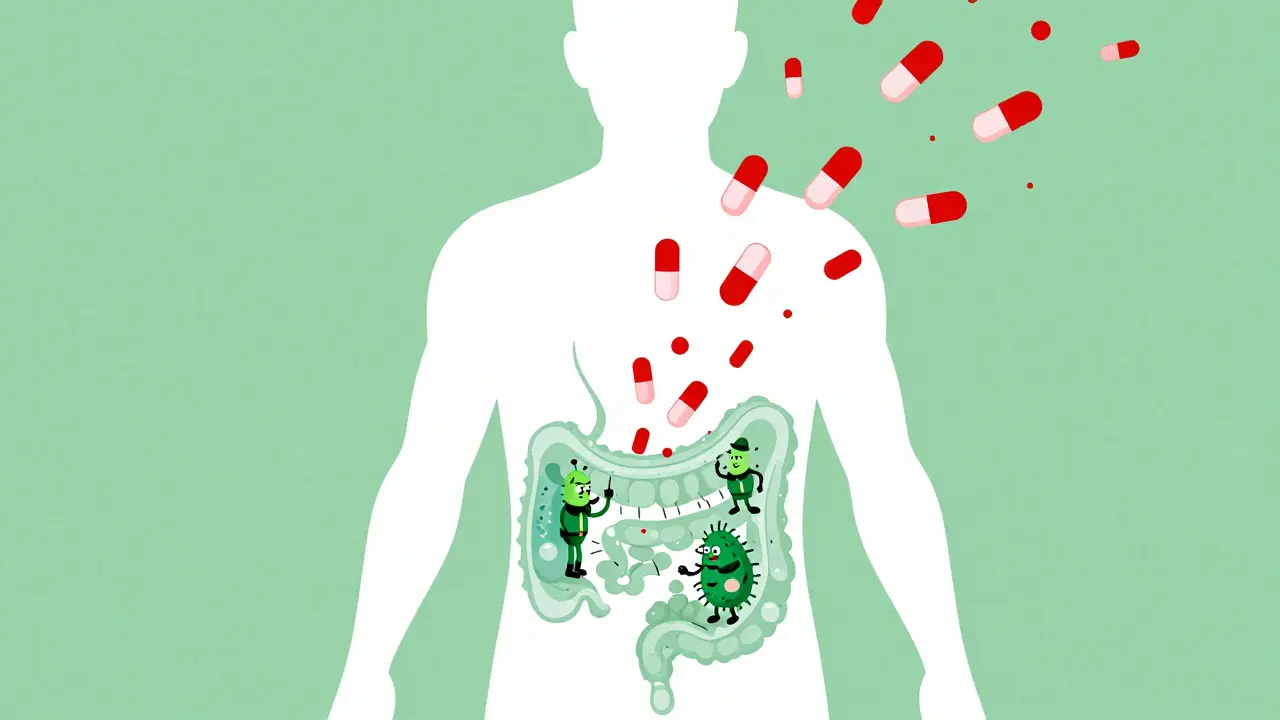
Antibiotics save lives, but they often wreck your gut. If you’ve ever finished a course of pills only to deal with stomach cramps or loose stools, you know the drill. Your body fights the infection, but the medicine wipes out the good bacteria along with the bad. This is where probiotics come in. They are live microorganisms intended to restore balance to your digestive system.
But here is the catch: taking them at the wrong time or choosing the wrong strain might not help-and could even make things worse. The science isn't just about "good bugs vs. bad bugs." It’s about timing, specific strains, and understanding how these supplements interact with powerful drugs. Let’s break down what actually works, what doesn’t, and how to protect your gut without risking your health.
Why Antibiotics Disrupt Your Gut Microbiome
To understand why you need protection, you first need to see what antibiotics do. These drugs are designed to kill bacteria. The problem? They can’t tell the difference between the pathogen causing your sinus infection and the billions of helpful microbes living in your intestines. When those beneficial bacteria die off, two main problems arise:
- Antibiotic-Associated Diarrhea (AAD): This happens in roughly 5% to 30% of people taking antibiotics. Without enough good bacteria to regulate digestion, your gut moves too fast, leading to frequent, watery bowel movements.
- Clostridioides difficile Infection (CDI): A more serious condition where an opportunistic bacterium called C. diff takes over the empty space left by dead good bacteria. It produces toxins that cause severe inflammation and diarrhea.
Research shows that probiotics can reduce the risk of AAD by up to 66%. However, this benefit depends entirely on using the right type of supplement and taking it correctly. Not all probiotics are created equal, and some may not survive the journey through your stomach acid or the direct assault of the antibiotic itself.
The Best Probiotic Strains for Antibiotic Use
Most commercial products list a dozen different bacterial strains, but evidence supports only a few when paired with antibiotics. You don’t need complexity; you need proven efficacy. Here are the top contenders backed by clinical data:
| Strain Name | Type | Key Benefit | Evidence Level |
|---|---|---|---|
| Lactobacillus rhamnosus GG (LGG) | Bacteria | Reduces AAD incidence significantly | High (Multiple RCTs) |
| Saccharomyces boulardii CNCM I-745 | Yeast | Not killed by antibiotics; prevents C. diff | High (Systematic Reviews) |
| Bifidobacterium lactis | Bacteria | Supports microbiome restoration post-treatment | Moderate |
Lactobacillus rhamnosus GG is one of the most studied strains globally. Clinical trials consistently show it reduces diarrhea rates during antibiotic therapy. Saccharomyces boulardii is unique because it is a yeast, not a bacterium. Since antibiotics target bacteria, they cannot kill this yeast, making it highly effective even if taken closer to your medication dose. For best results, look for products specifying these exact strain names, not just the genus.
Timing Is Everything: How to Take Them Together
You might think taking your probiotic pill at the exact same moment as your antibiotic makes sense, but that’s usually a mistake. Most antibiotics work by killing or inhibiting bacterial growth. If you swallow both together, the antibiotic will likely destroy the probiotic before it can colonize your gut.
The gold standard recommendation from the International Scientific Association for Probiotics and Prebiotics (ISAPP) is to separate doses by at least two hours. Here is a practical schedule:
- Morning: Take your antibiotic with food (if required).
- Two Hours Later: Take your probiotic supplement.
- Repeat: Maintain this gap for every dose throughout the treatment course.
If you are using Saccharomyces boulardii, the timing is less critical since antibiotics don’t affect yeast, but separating them still helps ensure optimal absorption. Start taking the probiotic one to two days before starting your antibiotics if possible, and continue for at least one to two weeks after finishing the prescription. This gives your gut time to rebuild its defenses.

Risks and Who Should Avoid Probiotics
While generally safe for healthy adults, probiotics are not harmless for everyone. There are specific scenarios where introducing live organisms into your body can be dangerous.
Immunocompromised Individuals: If you have a weakened immune system due to chemotherapy, HIV/AIDS, or organ transplantation, probiotics can enter your bloodstream and cause infections like bacteremia or fungemia. Case reports document instances where patients developed severe systemic infections from common probiotic strains. Always consult your oncologist or specialist before adding any supplement.
Central Venous Catheters: People with central lines or recent major abdominal surgery should avoid probiotics. The presence of foreign material in veins or compromised intestinal barriers increases the risk of microbes leaking into sterile areas of the body.
Antibiotic Resistance Genes (ARGs): Recent studies, including a 2025 analysis published in mSphere, found that nearly 40% of commercial probiotics contained genes resistant to certain antibiotics. While this doesn’t mean the probiotic itself causes resistance, there is a theoretical risk of transferring these genes to other bacteria in your gut. This highlights the importance of choosing high-quality, third-party tested brands.
Choosing a High-Quality Product
The supplement industry is loosely regulated, meaning labels aren’t always accurate. Independent testing has shown that many products contain fewer live cultures than advertised, or even none at all by the expiration date. To avoid wasting money and missing out on benefits, follow these rules:
- Check for Third-Party Verification: Look for seals from USP (United States Pharmacopeia), NSF International, or ConsumerLab. These organizations verify that the product contains what it claims and is free from contaminants.
- Look at CFU Counts: Effective doses for antibiotic support typically range from 1 billion to 10 billion Colony Forming Units (CFUs) per day. Higher isn’t always better, but very low counts (<100 million) are unlikely to provide significant protection.
- Storage Matters: Some strains require refrigeration to stay alive. Shelf-stable options are convenient but may have lower viability over time. Check the label instructions carefully.
Avoid multi-strain blends unless they include the proven strains mentioned earlier. Complex mixtures make it harder to pinpoint which organism is working and increase the chance of allergic reactions or digestive upset.

What About Natural Food Sources?
Many people ask if yogurt or kefir can replace a supplement. The short answer is no, not during active antibiotic treatment. Here’s why:
First, most yogurts contain low levels of bacteria compared to therapeutic supplements. Second, the strains in yogurt (like L. bulgaricus and S. thermophilus) are transient-they pass through your gut quickly without colonizing. Third, dairy can sometimes worsen temporary lactose intolerance caused by antibiotic-induced gut damage, leading to more bloating and gas.
However, once your antibiotic course is finished, incorporating fermented foods like kimchi, sauerkraut, miso, and unsweetened kefir into your diet is an excellent way to support long-term microbiome diversity. Pair these with prebiotic fibers (found in garlic, onions, bananas, and oats) to feed the good bacteria you’re trying to grow.
Common Side Effects and What to Expect
Even with the right probiotic, your body might react initially. Don’t panic if you experience mild symptoms in the first few days. Common side effects include:
- Bloating and Gas: As new bacteria begin fermenting fiber in your gut, they produce gas. This usually resolves within 3-5 days.
- Changes in Bowel Habits: You might notice looser stools or constipation temporarily as your microbiome shifts.
- Mild Abdominal Cramping: Similar to gas pain, this is often a sign of adjustment.
If symptoms are severe, persistent, or accompanied by fever or blood in stool, stop the probiotic and contact your doctor immediately. These could be signs of an adverse reaction or a worsening infection.
Expert Consensus and Guidelines
The medical community is divided on routine use. The American Gastroenterological Association (AGA) advises against universal prescription due to inconsistent product quality. However, the Infectious Diseases Society of America (IDSA) conditionally recommends specific strains for high-risk patients to prevent C. diff. The prevailing view among specialists is cautious optimism: probiotics are a useful tool, but they must be selected wisely.
Dr. Elisa Marroquin, lead author of a major systematic review, noted that combining antibiotics with probiotics made negative changes to bacterial species "less pronounced" or "completely prevented." This suggests that while probiotics won’t fully shield your gut from antibiotic impact, they significantly blunt the damage.
Can I take probiotics at the same time as my antibiotic?
It is best to avoid taking them simultaneously. Most antibiotics kill bacteria, so they may destroy the probiotic before it reaches your intestines. Wait at least 2 to 3 hours between taking your antibiotic dose and your probiotic supplement to maximize effectiveness.
Which probiotic is best for preventing C. diff?
Saccharomyces boulardii and Lactobacillus rhamnosus GG have the strongest evidence for reducing the risk of Clostridioides difficile infection. S. boulardii is particularly effective because it is a yeast and is not affected by antibiotic medications.
How long should I take probiotics after finishing antibiotics?
Continue taking your probiotic for at least 1 to 2 weeks after completing your antibiotic course. This allows your gut microbiome time to recover and repopulate with beneficial bacteria, reducing the likelihood of late-onset diarrhea or infections.
Are there any risks to taking probiotics with antibiotics?
For healthy individuals, risks are minimal and mostly involve mild digestive upset. However, immunocompromised patients, those with central venous catheters, or people with severe pancreatitis should avoid probiotics due to the risk of systemic infection. Always consult your healthcare provider if you fall into these categories.
Do I need a prescription for probiotics?
No, probiotics are available over-the-counter as dietary supplements. However, discussing your choice with a pharmacist or doctor can help you select a reputable brand with verified potency and appropriate strains for your specific antibiotic treatment.