
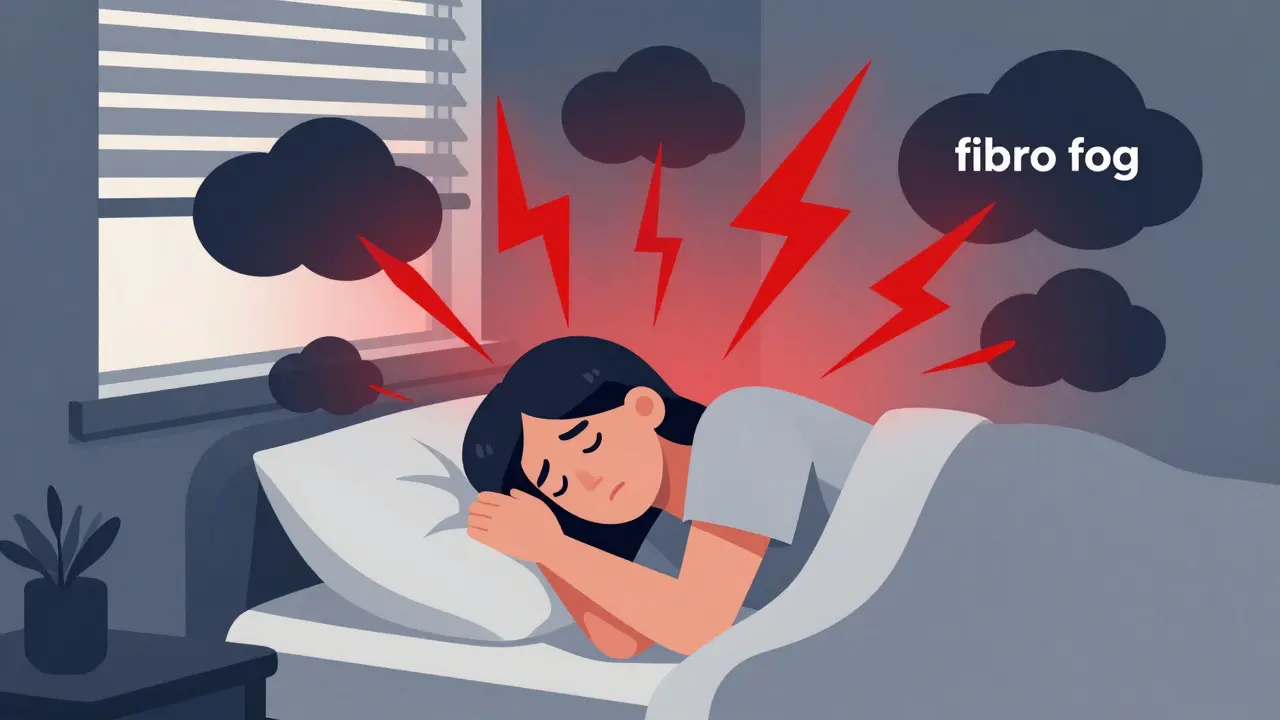
Waking up feeling like you’ve been hit by a truck, only to realize it’s just another Tuesday with Fibromyalgia, a chronic condition that amplifies pain signals throughout your body. You’re not alone. Approximately 4 million Americans live with this invisible burden, but here is the hard truth: there is no cure. There is also no single magic pill. The real solution lies in a messy, personalized mix of medication, movement, and mindset shifts. If you are looking for a quick fix, put this article down. If you are ready to take back control of your days through proven strategies, keep reading.
Understanding the Beast: What Is Fibromyalgia?
To manage fibromyalgia, you first have to understand what you are fighting. It is not arthritis. It is not an autoimmune disease where your body attacks itself. Instead, think of it as a volume knob stuck on high. Your central nervous system-the brain and spinal cord-processes normal sensations as intense pain. This phenomenon is called central sensitization.
The American College of Rheumatology formally recognized the condition in 1990, but doctors have described similar symptoms since the 1800s under confusing names like 'fibrositis.' Today, we know it affects women far more than men, comprising 75-90% of diagnosed cases. The core symptoms go beyond just achy muscles. You might experience:
- Widespread musculoskeletal pain lasting at least three months.
- Deep, unrefreshing fatigue that sleep doesn’t fix.
- 'Fibro fog': cognitive difficulties like trouble focusing or remembering words.
- Sleep disturbances, such as restless legs or waking up frequently.
Dr. Daniel Clauw, a leading expert from the University of Michigan, emphasizes that understanding this mechanism is crucial. When you know the pain comes from a processing error in the nervous system rather than tissue damage, it changes how you approach treatment. You stop trying to 'heal' inflamed joints and start trying to 'calm' an overactive alarm system.
The Medication Toolkit: Pros, Cons, and Realities
Medication is often the first thing doctors reach for, but it is rarely the whole answer. Currently, the FDA has approved three specific drugs for fibromyalgia: pregabalin (Lyrica), duloxetine (Cymbalta), and milnacipran (Savella). These aren't typical painkillers like ibuprofen; they are antidepressants that happen to calm nerve pain.
Here is how they stack up based on clinical data:
| Medication | Type | Pain Reduction | Common Side Effects |
|---|---|---|---|
| Pregabalin (Lyrica) | Anticonvulsant | 1.2-1.8 points on 10-point scale | Dizziness (35%), Weight gain (28%) |
| Duloxetine (Cymbalta) | SNRI | 30-40% reduction vs placebo | Nausea (24%), Dry mouth |
| Milnacipran (Savella) | SNRI | Similar to Duloxetine | Nausea, Insomnia |
Many patients also use off-label medications like gabapentin or low-dose amitriptyline. However, be realistic about expectations. Research by Dr. Frederick Wolfe shows that only 25% of patients achieve a 50% reduction in pain with medication alone. For most, drugs are a tool to lower the baseline enough so you can function while doing other therapies. Don't ignore side effects. If dizziness makes you fall, the medicine isn't helping. Work closely with your rheumatologist to find the right dose, or consider that medication might not be your primary lever.
Movement Is Medicine: Starting Slowly
This is the hardest part to hear when every inch of your body hurts: you need to move. The European League Against Rheumatism rates aerobic exercise as a 'first-line treatment' with level A evidence. Why? Because gentle movement releases endorphins and helps desensitize the nervous system.
But don't jump into a marathon. That will trigger a flare-up. The American College of Rheumatology recommends a graded approach:
- Weeks 1-2: Start with just 5-10 minutes of low-impact activity, like walking or swimming, 2-3 times a week.
- Weeks 3-6: Gradually increase duration by 5 minutes each week if you tolerate it well.
- Goal: Reach 30 minutes of moderate-intensity exercise, 5 times a week, over 8-12 weeks.
Aerobic exercise outperforms strength training for initial pain reduction. A 2017 Cochrane review found aerobic activity produced nearly 1 point greater pain reduction on a 0-10 scale compared to control groups. Tai chi is another powerhouse option. Studies show practicing tai chi for one hour twice weekly for 12-24 weeks leads to moderate improvements in both pain and function. It combines gentle movement with mindfulness, hitting two birds with one stone.
Expect some initial discomfort. About 45% of patients report symptom exacerbation during the first 2-4 weeks of starting exercise. This is normal. It means your body is adjusting. Push through gently, but do not ignore sharp pain. Listen to your body's feedback loop.
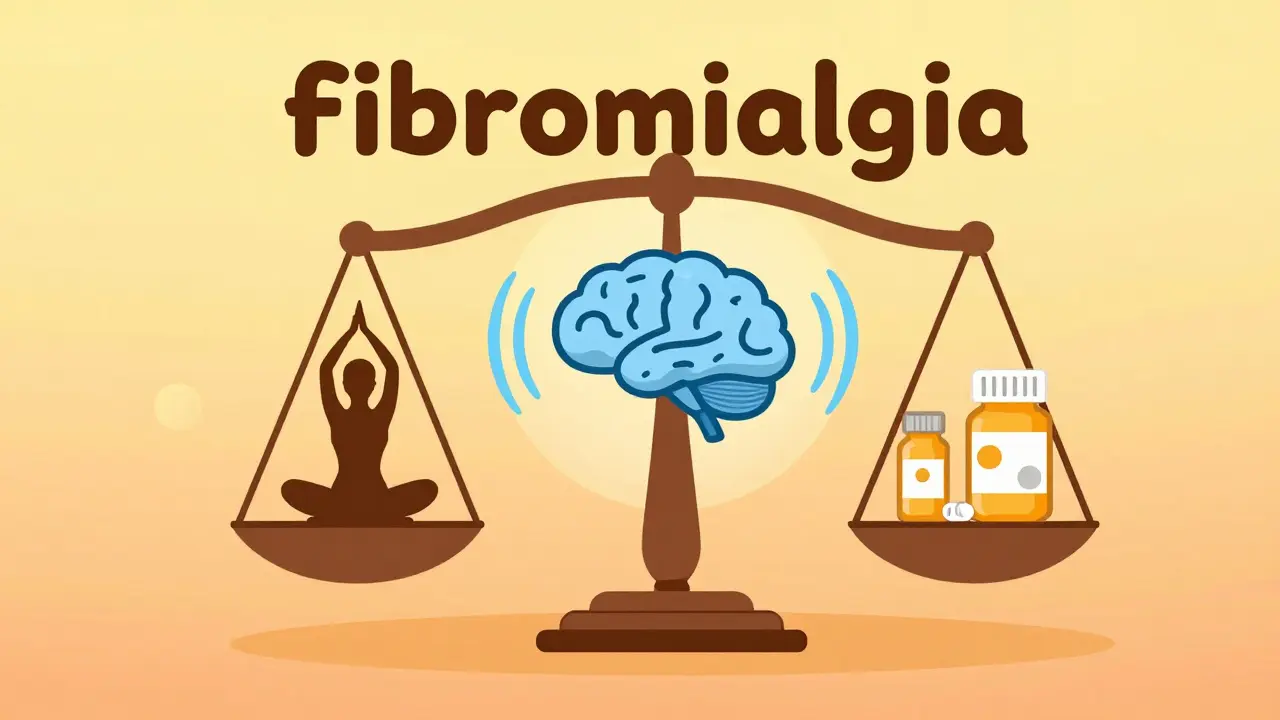
Calm the Mind, Quiet the Pain
Your brain plays a huge role in fibromyalgia. Cognitive Behavioral Therapy (CBT) isn't about telling you the pain is 'in your head.' It is about giving you tools to manage how your brain responds to pain signals. A 2010 meta-analysis showed CBT delivered in 8-12 weekly sessions can reduce pain intensity by 25-30%. It works better than relaxation techniques alone.
Key CBT strategies include:
- Pacing: Breaking tasks into smaller chunks with rest breaks in between to avoid boom-bust cycles (overdoing it on good days, crashing on bad ones).
- Pain Neuroscience Education: Understanding central sensitization improves treatment adherence by 35%. When you know why you hurt, you fear the pain less, which actually reduces its intensity.
- Cognitive Reframing: Challenging negative thoughts like 'I'll never get better' that amplify stress and pain.
Insurance coverage can be a hurdle, with 42% of patients reporting difficulties getting CBT covered. Look for telehealth options or community support groups. The National Fibromyalgia Association offers programs serving thousands of patients annually. Online communities like r/fibromyalgia on Reddit provide peer support, though always verify advice against medical guidelines.
Lifestyle Tweaks That Actually Help
Beyond meds and therapy, daily habits matter. Sleep is non-negotiable. Poor sleep lowers your pain threshold. Practice strict sleep hygiene: cool room, no screens an hour before bed, consistent wake-up time. Even if you don't sleep deeply, resting quietly helps.
Diet doesn't cure fibromyalgia, but inflammation-worsening foods can make you feel worse. Many patients report benefits from reducing sugar, processed carbs, and gluten. Focus on whole foods, omega-3 fatty acids (found in fish), and plenty of water. Hydration alone can reduce muscle cramps and fatigue.
Complementary therapies are popular. Massage therapy helps 38% of users, yoga 32%, and acupuncture 29%. Acupuncture results are mixed-it may help short-term pain by 1.2 points but often performs no better than sham acupuncture in rigorous studies. Use these as adjuncts, not replacements, for core treatments.

Handling Flare-Ups: Your Emergency Plan
Flare-ups happen. 89% of patients experience them. A flare is a period of significantly increased pain and fatigue, often triggered by stress, weather changes, or overexertion. Having a plan reduces anxiety.
- Stop and Rest: Cancel non-essential activities. Lie down in a dark, quiet room.
- Heat or Cold: Warm baths or heating pads relax tight muscles. Ice packs can numb acute pain spots.
- Hydrate and Eat Light: Dehydration worsens pain. Sip water and eat easy-to-digest foods.
- Practice Gentle Breathing: Deep diaphragmatic breathing activates the parasympathetic nervous system, calming the pain alarm.
- Review Triggers: After the flare subsides, journal what might have caused it. Was it too much work? Lack of sleep? Stress?
Remember, flares are temporary. They do not mean your condition is permanently worsening. Most last a few days to a week. Be kind to yourself during this time.
Looking Ahead: Hope and Realism
The landscape is changing. The NIH allocated $18.7 million for fibromyalgia research in 2023, focusing on neuroimaging biomarkers and non-opioid pain pathways. New drugs like NBI-1117568 are in phase 3 trials, showing promise. Digital health tools for symptom tracking and tele-CBT are becoming standard.
Dr. Lesley Arnold notes that the most successful patients are those who actively participate in their care. There is no passive cure. You must be the CEO of your health team. Combine medication, movement, and mindset. Track what works. Discard what doesn't. Celebrate small wins-a walk around the block, a full night's sleep, a day without fog. Living with fibromyalgia is a marathon, not a sprint. But with the right toolkit, you can run it.
Is fibromyalgia an autoimmune disease?
No, fibromyalgia is not classified as an autoimmune disease. It is a central nervous system disorder characterized by amplified pain processing, known as central sensitization. Unlike autoimmune conditions, it does not cause tissue damage or inflammation in joints and muscles.
What is the best medication for fibromyalgia pain?
There is no single 'best' medication. The FDA-approved options are pregabalin (Lyrica), duloxetine (Cymbalta), and milnacipran (Savella). Effectiveness varies by individual. Pregabalin provides significant pain reduction but may cause dizziness and weight gain. SNRIs like duloxetine offer similar relief with different side effect profiles. Many patients require a combination of medications and non-drug therapies for optimal management.
Can exercise make fibromyalgia worse?
Initially, yes. About 45% of patients experience symptom exacerbation during the first 2-4 weeks of starting exercise. However, long-term, graded aerobic exercise is one of the most effective treatments. It reduces pain scores by 20-30% after 12-16 weeks. The key is starting very slowly (5-10 minutes) and increasing intensity gradually to avoid triggering prolonged flare-ups.
How long does a fibromyalgia flare-up last?
Flare-ups typically last from a few days to a week, though severe episodes can persist longer. They are often triggered by stress, overexertion, or weather changes. Management includes rest, hydration, heat/cold therapy, and gentle breathing exercises. Keeping a symptom diary can help identify and avoid personal triggers.
Does diet affect fibromyalgia symptoms?
While no specific diet cures fibromyalgia, many patients report reduced symptoms by avoiding inflammatory foods like sugar, processed carbohydrates, and gluten. Anti-inflammatory diets rich in omega-3 fatty acids, fruits, vegetables, and whole grains may help. Staying well-hydrated is also crucial for reducing muscle cramps and fatigue.
Is there a blood test for fibromyalgia?
Currently, there are no validated blood tests for diagnosing fibromyalgia according to the American College of Rheumatology. Diagnosis is clinical, based on symptoms and ruling out other conditions. Some commercial tests exist but remain controversial and are not widely accepted by mainstream medical guidelines.
Gilbert Bankual
July 4, 2026 AT 10:40Great read. Keep pushing.
Brett Aungst
July 5, 2026 AT 23:57I've been dealing with this for years and the graded exercise part is spot on but so hard to follow when you feel like garbage. The key is really just starting small, like walking around the block once a day. Don't let anyone tell you to push through sharp pain though, that's how you get worse. I found that swimming was the only thing that didn't make my joints scream after a while. Also, tracking your symptoms in an app helped me see patterns I missed before, like how weather changes hit me harder than stress sometimes.
Ashley Loera
July 6, 2026 AT 04:05i cant believe people think diet fixes this its not just about eating right you have a broken nervous system!! why do doctors always blame food?? i tried keto and it did nothing for the fog 😡
Mary Howarth
July 7, 2026 AT 06:24Oh my goodness! This article is absolutely wonderful and so very informative! I have been struggling with fibromyalgia for over ten years now, and I can honestly say that understanding the concept of central sensitization changed everything for me! It is such a relief to know that my body is not actually being destroyed by inflammation, but rather that my alarm system is just too sensitive! I started doing tai chi last month as suggested here, and although it was difficult at first, I am already feeling a bit more balanced and less stiff in the mornings! You must try it if you haven't yet! And please remember to be kind to yourself during flare-ups because they are temporary and you are stronger than you think! Sending love and light to everyone reading this who is in pain! 🌟🙏✨
Sean Estabrooks
July 7, 2026 AT 07:47The FDA approved drugs are basically chemical shackles designed to keep you compliant and docile while the pharmaceutical cartel profits off your suffering. Central sensitization? Please. It's a cover-up for environmental toxins and electromagnetic frequency poisoning from 5G towers that disrupts your biofield. They don't want you to heal naturally because then they lose their market share. Wake up sheeple. The real cure is detoxing your water supply and avoiding all synthetic compounds. Lyrica will rot your brain faster than the 'fibro' itself.
Sarah Boomgaard
July 8, 2026 AT 18:18You are all wrong. Pain is a social construct used by the weak to gain sympathy. If you just stop complaining and accept your fate, the pain goes away. It is simple philosophy. Why do we need pills for feelings?
Blythe Ward
July 9, 2026 AT 06:22look at these peasants arguing about vitamins and walks. truly pathetic. i had my neural pathways recalibrated in switzerland for 50k euros and now i dont even feel time passing anymore. you should invest in quantum healing crystals instead of reading reddit posts. 🙄💎🧠
Vinay Bairagi
July 10, 2026 AT 14:21In India we suffer silently without whining on the internet. Your western medicine is failing you because you lack spiritual discipline. We use yoga and meditation which are free and effective unlike your expensive useless pills. You should learn from our ancient wisdom instead of relying on corporate healthcare systems that exploit the poor.
Alana Frassinelli
July 12, 2026 AT 02:53i hear you guys and it sounds really tough out there man i mean i dont have fibro but i have chronic back pain and some of this stuff resonates like crazy especially the part about pacing because i always overdo it on good days and then crash hard for three days straight so yeah the boom bust cycle is real and sucks big time and i guess just trying to listen to your body even when it feels weird or scary is probably the best bet since everyones experience is different anyway so good luck to you all