
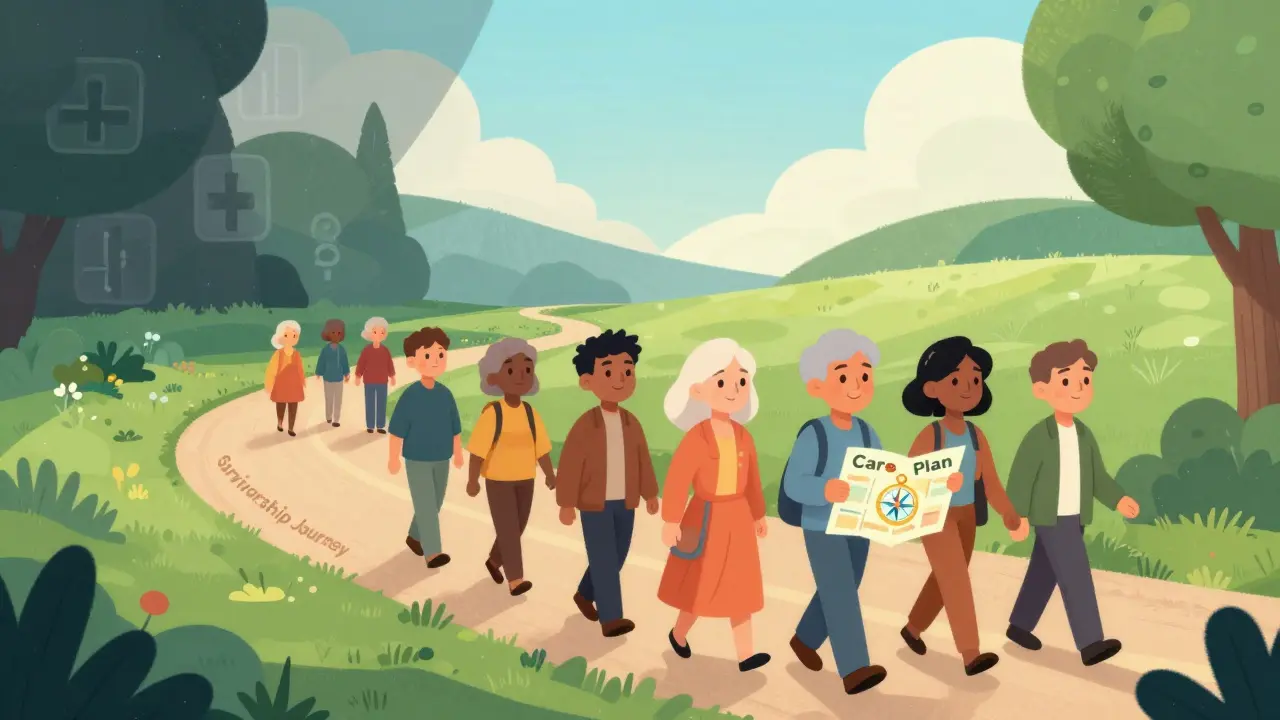
Getting the "all clear" from your oncologist is a huge relief, but it’s not the end of the story. For millions of people, life after treatment brings a new set of challenges. You might be dealing with fatigue that won’t go away, memory lapses, or anxiety about the cancer coming back. This phase is called cancer survivorship, which encompasses the experience of living with, through, and beyond a cancer diagnosis, focusing on managing long-term health consequences and monitoring for recurrence. It’s a journey that requires just as much attention as the treatment itself.
The number of people in this boat is growing fast. In 2018, there were about 16.9 million cancer survivors in the United States. By 2030, that number is projected to hit 22.2 million. Despite these numbers, high-quality, coordinated care isn’t always easy to find. Many survivors feel lost between their oncology appointments and visits to their primary care doctor. The good news? We know more now than ever before about how to manage these long-term effects and stay healthy.
What Is a Survivorship Care Plan?
Think of a survivorship care plan (SCP) as your personal roadmap for life after cancer. It’s not just a discharge paper; it’s a detailed document that outlines what happened during your treatment and what you need to watch out for in the future. According to guidelines from the Journal of Clinical Oncology, a comprehensive plan should cover three main areas:
- Surveillance: A schedule for checking if the cancer has returned or if a new cancer has developed.
- Management of Late Effects: Strategies for handling physical issues like pain or fatigue, and psychosocial issues like depression or financial stress.
- Risk Prevention: Steps to prevent secondary cancers, heart problems, or bone loss, often through lifestyle changes.
Having this plan makes a real difference. Studies show that patients with SCPs are 85% likely to stick to recommended follow-up activities, compared to only 58% without one. They also request fewer unnecessary tests-by about 32%-and report better quality of life. If you don’t have one, ask your oncology team for it. It’s your right as a patient.
Understanding Late Effects: What Can Happen?
"Late effects" are health problems that appear months or years after treatment ends. They depend heavily on what kind of therapy you had. Here’s a breakdown of common risks associated with chemotherapy and radiation.
| Treatment Modality | Potential Late Effects |
|---|---|
| Chemotherapy | Dental problems, early menopause, hearing loss, heart damage, infertility, nerve damage (neuropathy), memory issues, osteoporosis, lung disease. |
| Radiation Therapy | Tooth decay, hypothyroidism, increased stroke risk, lymphedema, intestinal problems, memory issues, bone loss in treated areas, secondary cancers. |
For example, breast cancer survivors who received anthracyclines face a 15-20% risk of heart problems later in life. This means they need cardiac monitoring every 6 to 12 months. Similarly, Hodgkin lymphoma survivors who had chest radiation have a 30% lifetime risk of breast cancer, requiring annual mammograms and MRIs starting eight years after treatment. Knowing your specific risks allows you to catch problems early.
Monitoring for Recurrence vs. General Health
A big part of survivorship is balancing two goals: watching for cancer return and maintaining general health. Traditionally, oncologists handled both. However, research shows that 63% of older cancer survivors die from causes other than their cancer, such as heart disease or diabetes. This highlights the importance of involving your primary care provider (PCP).
The American Society of Clinical Oncology recommends a risk-stratified approach:
- High-Risk Survivors: Those with high-risk treatments or genetic syndromes should see an oncologist every 3-6 months.
- Moderate-Risk Survivors: Annual specialized visits are usually sufficient.
- Low-Risk Survivors: Primary care providers can manage most needs, with oncology consultation only when necessary.
This shared-care model prevents burnout for specialists and ensures your PCP stays involved in your overall wellness. Make sure your PCP has a copy of your treatment summary so they know exactly what you went through.
Managing Physical and Cognitive Symptoms
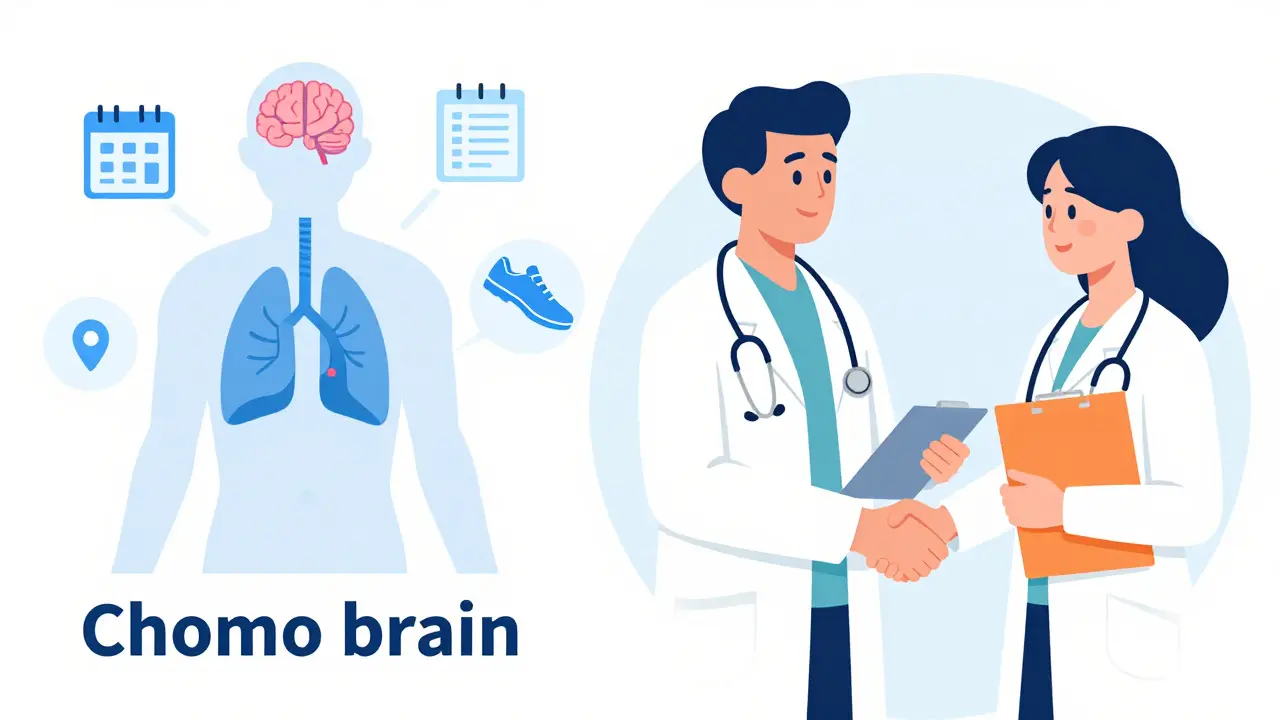
Many survivors struggle with symptoms that aren’t directly related to cancer returning but significantly impact daily life. "Chemo brain," or cognitive impairment, is one of the most common complaints. It involves trouble with memory, focus, and multitasking.
The Lurie Cancer Center suggests practical strategies to cope:
- Use organizational tools like calendars and lists.
- Schedule demanding tasks during your peak energy hours.
- Practice relaxation techniques and prioritize sleep.
- Engage in regular physical activity, which boosts blood flow to the brain.
Fatigue is another major hurdle. Unlike normal tiredness, cancer-related fatigue doesn’t always improve with rest. Exercise sounds counterintuitive, but it works. Dr. June M. McKoy notes that exercise interventions can reduce fatigue scores by 40-50% and improve mobility by 25-35%. Start small-a 10-minute walk-and build up gradually.
Navigating Psychosocial and Financial Stress
Cancer doesn’t just affect your body; it impacts your wallet and relationships. A survey by Livestrong found that 73% of survivors experience financial stress, and 68% have difficulty working due to physical or emotional issues. Thirty-two percent reported trouble obtaining health or life insurance.
Don’t suffer in silence. Many cancer centers offer social workers and financial counselors. For instance, the Lurie Cancer Center reports that 92% of users resolved financial barriers within 30 days through counseling. Additionally, consider joining support groups. Sharing experiences with others who understand can alleviate feelings of isolation and improve self-esteem, which is affected in nearly half of all survivors.
Practical Steps for Better Care Coordination
Fragmented care is a top complaint among survivors. Sixty-five percent report poor communication between oncologists and primary care doctors. To take control:
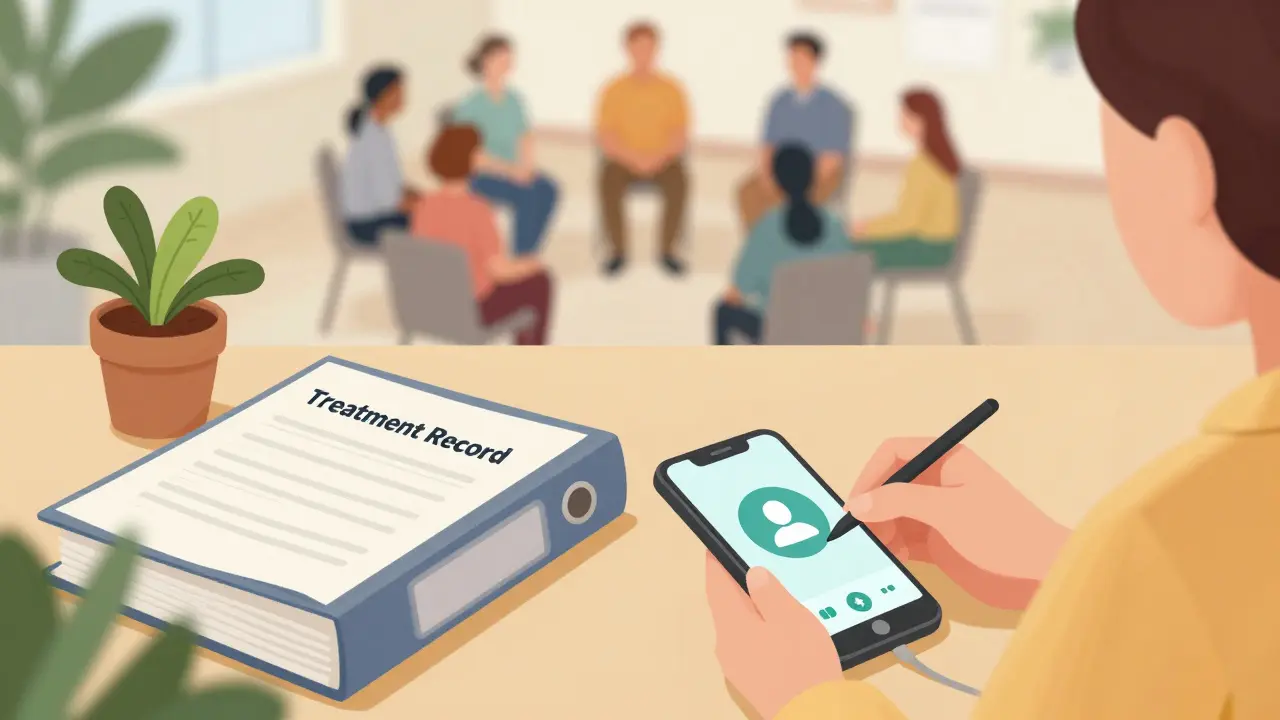
- Maintain a Treatment Record: Keep a binder with details of your chemotherapy agents, dosages, radiation fields, and surgical procedures. Eighty-seven percent of survivors with these records receive more coordinated care.
- Define Roles: Establish a clear plan with your doctors. Who handles heart health? Who monitors thyroid function? Clear roles lead to 40% fewer duplicate tests.
- Utilize Telehealth: Virtual survivorship clinics are becoming popular. The Mayo Clinic reported a 75% satisfaction rate among survivors using virtual services, making follow-ups more convenient.
Remember, survivorship is a marathon, not a sprint. By staying informed, advocating for yourself, and building a strong care team, you can navigate these challenges and thrive in your new normal.
How often should I see my oncologist after treatment?
The frequency depends on your risk level. High-risk survivors typically visit every 3-6 months, moderate-risk survivors annually, and low-risk survivors may transition primarily to their primary care provider with occasional oncology checks. Always follow the specific schedule outlined in your survivorship care plan.
What is "chemo brain" and how can I manage it?
Chemo brain refers to cognitive issues like memory loss and poor concentration after chemotherapy. Management strategies include using planners, scheduling hard tasks during peak energy times, getting enough sleep, and engaging in regular physical activity to boost brain function.
Why is a survivorship care plan important?
A survivorship care plan improves adherence to follow-up care from 58% to 85%, reduces unnecessary tests by 32%, and helps coordinate care between specialists and primary doctors. It serves as a central reference for your medical history and future health needs.
Can exercise really help with cancer-related fatigue?
Yes, studies show that structured exercise programs can reduce cancer-related fatigue scores by 40-50%. It also improves mobility and bone density. Start slowly and consult your doctor before beginning any new regimen.
What are some common late effects of radiation therapy?
Radiation can cause tooth decay, hypothyroidism, increased stroke risk, lymphedema, and secondary cancers in the treated area. It can also lead to heart and vascular problems depending on the location of the radiation. Regular screening is essential to detect these issues early.
Sharon O’Mahonh
May 24, 2026 AT 17:22its so refreshing to see this kind of holistic approach being discussed seriously because the medical community often forgets that healing is a continuous process not just a binary state of sick or well and we need to embrace that complexity with open hearts and minds 🌱
Jonhnnie john13
May 26, 2026 AT 05:55the data presented here is fundamentally flawed in its assumption that standardized care plans yield universal outcomes. statistical significance does not equate to clinical relevance for individual patients who exist outside the bell curve of average risk profiles.
Anthony Padilla
May 28, 2026 AT 05:53i totally get what johnny is saying but i think we have to look at the big picture here. my cousin went through breast cancer treatment and she had no idea what questions to ask her oncologist until she found a template online. it was like a lightbulb moment for her. do you guys know if there are free templates available? i want to share them with my community group.
Elizabeth Fandry
May 29, 2026 AT 13:58One must consider the existential weight of such bureaucratic mandates on the human spirit. The reduction of profound suffering to mere 'late effects' in a spreadsheet is a testament to our society's obsession with quantification over qualitative experience. 😒📉 It is pretentious to assume a document can capture the essence of survival.
Madeline Petes
May 30, 2026 AT 04:31can someone explain why they dont just give us a card with all this info instead of making us carry around binders? it feels so outdated. i tried to organize my records once and it took me three weeks. im sure there has got to be a better way to handle this stuff without going crazy trying to keep up with every single specialist.
Ramanath Rao
May 30, 2026 AT 15:56This article is absolute garbage. In India, we deal with far more severe late effects due to delayed diagnosis and lack of follow-up infrastructure, yet you sit there talking about 'survivorship care plans' as if they are magic wands. You are ignoring the socioeconomic reality that prevents millions from even accessing basic primary care, let alone specialized survivorship clinics. Stop preaching to the choir while the rest of the world burns.
irine sabrina
June 1, 2026 AT 11:15I completely understand the frustration expressed by Ramanath, and it is a valid point that access varies globally. However, for those of us in systems where these plans are available, they truly save lives by ensuring continuity. I encourage everyone to advocate for themselves within their specific context. We are all in this together, and sharing resources across borders could help bridge some of these gaps. 💖✨
Gary Helminiak
June 2, 2026 AT 03:35Hey everyone! 👋 Just wanted to jump in and say that the part about exercise reducing fatigue by 40-50% is backed by solid meta-analyses. I work in rehab and I see this all the time. People are terrified to move because they feel weak, but gentle movement actually signals the body that it is safe to heal. Start with five minutes of walking if that’s all you can do. Consistency is key! 🚶♂️💪
dane thorp
June 2, 2026 AT 23:25The suggestion to maintain a physical binder is impractical in a digital age. Most electronic health records now allow for patient portals where treatment summaries can be uploaded and shared securely between providers. Relying on paper introduces unnecessary points of failure.
Michael Schurmann
June 3, 2026 AT 02:31You people are missing the forest for the trees. The real issue is not the format of the plan but the systemic fragmentation of healthcare incentives. Oncologists are paid to treat active disease, not to manage chronic wellness. Until payment models change, these 'care plans' are just expensive pieces of paper that provide false security to vulnerable patients who deserve better than band-aids on bullet wounds.
Victoria Mangiapane
June 4, 2026 AT 21:24boring read. everything here is obvious to anyone who has actually survived anything. thanks for stating the bleeding obvious.
Nivetha Narayanan
June 4, 2026 AT 21:44hey guys lets not be so negative! this info is super helpful for people who are new to the journey. i found out about chemo brain last week and was freaking out till i read similar articles. take it easy on each other ok? we are all learning as we go along ✨
Frank Arlyss
June 6, 2026 AT 15:52I lost my job after my treatment ended because my employer didn't understand the long-term fatigue. They thought I was slacking off. Does anyone know what legal protections exist for survivors facing discrimination in the workplace? I need to know if I can sue them for ruining my life.
Tim Reynolds
June 8, 2026 AT 06:04They don't want you to recover fully. The pharmaceutical industry profits from chronic management, not cures. These 'survivorship clinics' are merely data collection centers for Big Pharma to track side effects of their toxic cocktails. Wake up. 🛑❌