
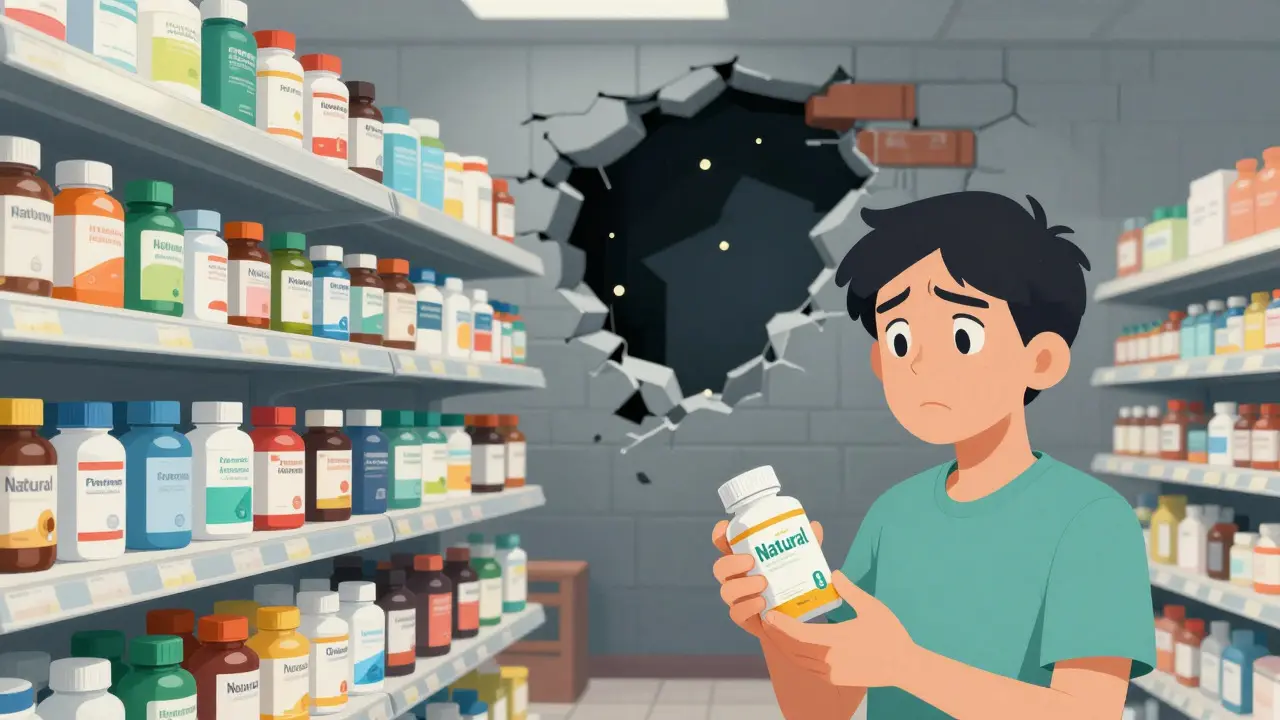
Most people assume that if a product is labeled "natural," it must be safe. But here is the reality: dietary supplements are responsible for roughly 23,000 emergency room visits every year in the United States alone. This number comes from a major study published in the New England Journal of Medicine, highlighting a gap between public perception and medical evidence. Whether you are taking prescription pills or herbal capsules, understanding the hidden dangers is the first step toward protecting your health.
The Regulatory Gap: Why Supplements Feel Safe but Aren't Regulated Like Drugs
To understand the risk, you have to look at how these products are made. Prescription medications undergo rigorous testing before they hit the shelves. They must prove they work and that they won’t hurt you. Dietary supplements? Not so much. Under the Dietary Supplement Health and Education Act (DSHEA) of 1994, supplements are regulated as food, not drugs. This means manufacturers don't need to prove effectiveness or safety to the U.S. Food and Drug Administration (FDA) before selling their products. They just have to ensure safety themselves. If something goes wrong, the FDA has to prove the product is unsafe before pulling it from the market. This creates a lag where consumers bear the brunt of the risk while regulators catch up.
The scale of this industry is massive. In 2022, the U.S. supplement market generated over $52 billion in sales, with more than 85,000 different products available. Yet, since 1994, the FDA has only banned 12 specific ingredients due to safety concerns. That’s a tiny fraction of what’s on the shelf. This regulatory environment means that "natural" does not equal "tested." It simply means it hasn't been proven dangerous yet.
How Your Body Processes These Substances: The Interaction Problem
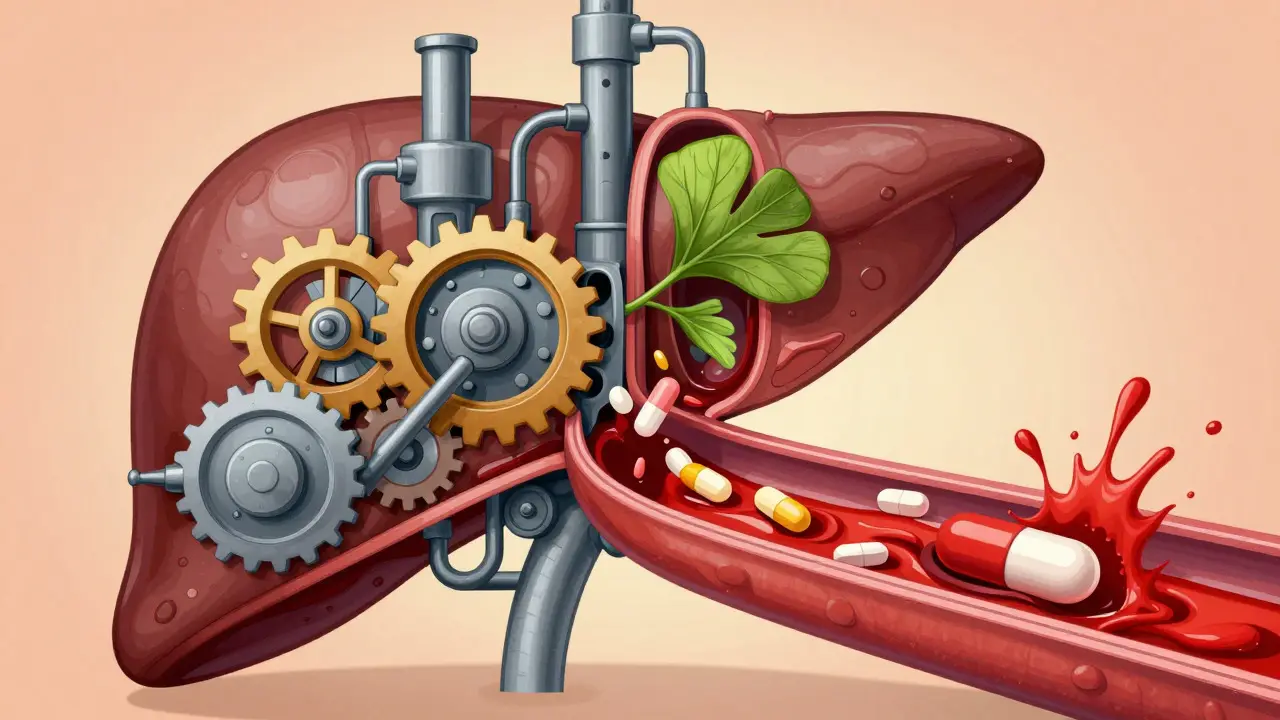
Your liver acts as a chemical factory, using enzymes to break down medicines and nutrients. One key system here is the Cytochrome P450 enzyme family. When you take certain supplements, they can speed up or slow down these enzymes. This changes how quickly your body processes other drugs. For example, St. John's Wort is a popular herb for mood support, but it speeds up the breakdown of many medications. Clinical trials show it can reduce the concentration of oral contraceptives by 13-15% and cyclosporine (an immune suppressant) by up to 60% within two weeks. If your birth control pill stops working because of an herb you bought at the grocery store, that’s a serious problem.
It’s not just about speed; it’s also about direct conflict. Some supplements mimic or block the effects of drugs. Vitamin K, found in leafy greens and some multivitamins, helps blood clot. If you are taking Warfarin, a blood thinner, too much Vitamin K can cancel out the medication’s effect, raising your risk of blood clots. Conversely, supplements like Ginkgo Biloba, Garlic, and Fish Oil can thin the blood further. When combined with Warfarin or aspirin, they can increase bleeding time by 20-30%. A case reported to the FDA in 2022 involved a 68-year-old woman who required hospitalization for severe bleeding after combining Ginkgo Biloba with aspirin. She likely didn't realize the two were working against each other.
Dose Matters: Toxicity from "Healthy" Vitamins
We often think vitamins are harmless because they’re essential for life. But like everything else, there is a limit. Taking too much of a fat-soluble vitamin (A, D, E, K) can lead to toxicity because your body stores them rather than flushing them out like water-soluble ones (B, C).
- Vitamin A: Acute toxicity can happen with a single dose over 300,000 IU. Chronic toxicity occurs with daily doses over 10,000 IU, leading to liver damage, vision loss, and high pressure in the brain.
- Vitamin D: While crucial for bones, excess levels cause hypercalcemia (too much calcium in the blood). Symptoms range from excessive thirst to seizures and coma. High intermittent doses have even been linked to a 15-20% increased risk of falls in older adults.
- Vitamin E: At doses above 400 IU per day, it can act as a mild blood thinner, increasing the risk of hemorrhagic stroke by about 10%, according to the Australian Prescriber.
These aren't rare freak accidents. They happen when people take multiple brands of multivitamins or add single-nutrient supplements without calculating their total intake. You might be getting 5,000 IU of Vitamin D from one bottle and another 2,000 IU from a gummy, thinking you're being extra careful, but actually pushing yourself into the danger zone.
Specific High-Risk Scenarios
Certain situations make supplement use particularly risky. Cancer treatment is one of the biggest. The American Cancer Society warns that antioxidants like Vitamins C and E can reduce the effectiveness of chemotherapy by 25-30%. Chemo works by creating oxidative stress to kill cancer cells; antioxidants fight that stress, potentially shielding the tumor. Dr. Ryan T. Lee from Memorial Sloan Kettering Cancer Center notes that some supplements can also cause skin sensitivity during radiation therapy, delaying treatment by weeks while the skin heals.
Surgery is another critical window. Many herbs affect blood clotting or blood sugar levels. If you stop taking them abruptly or continue them unknowingly, it can complicate anesthesia or post-op recovery. The National Center for Complementary and Integrative Health (NCCIH) advises patients to tell their surgeons about every supplement they take. Studies suggest that 67% of dangerous interactions occur simply because patients forget to mention their herbal habits to their doctors.
Real-World Consequences: What People Are Experiencing
Beyond the statistics, individual stories paint a clear picture. In the FDA’s adverse event database, a 45-year-old man experienced serotonin syndrome-a potentially life-threatening condition-after taking St. John's Wort alongside Sertraline, an antidepressant. Both substances boost serotonin levels, and together, they pushed his levels too high. He ended up in the hospital with rapid heart rate and confusion.
Online communities like Reddit offer unfiltered accounts. One user reported severe insomnia and heart palpitations after taking 500mg of Ashwagandha with their blood pressure medication. Another cancer survivor shared that their oncologist forced them to stop all supplements after their skin reacted severely to Vitamin E during their first radiation session. These aren't isolated incidents; they represent the tip of the iceberg. The Government Accountability Office reported in 2023 that the FDA’s current monitoring system captures only 1% of actual supplement-related problems because reporting is voluntary. Most issues never make it into official records.
How to Protect Yourself: Practical Steps
You don’t have to choose between taking supplements and staying safe. You just need to be strategic. Here is how to minimize the risk:
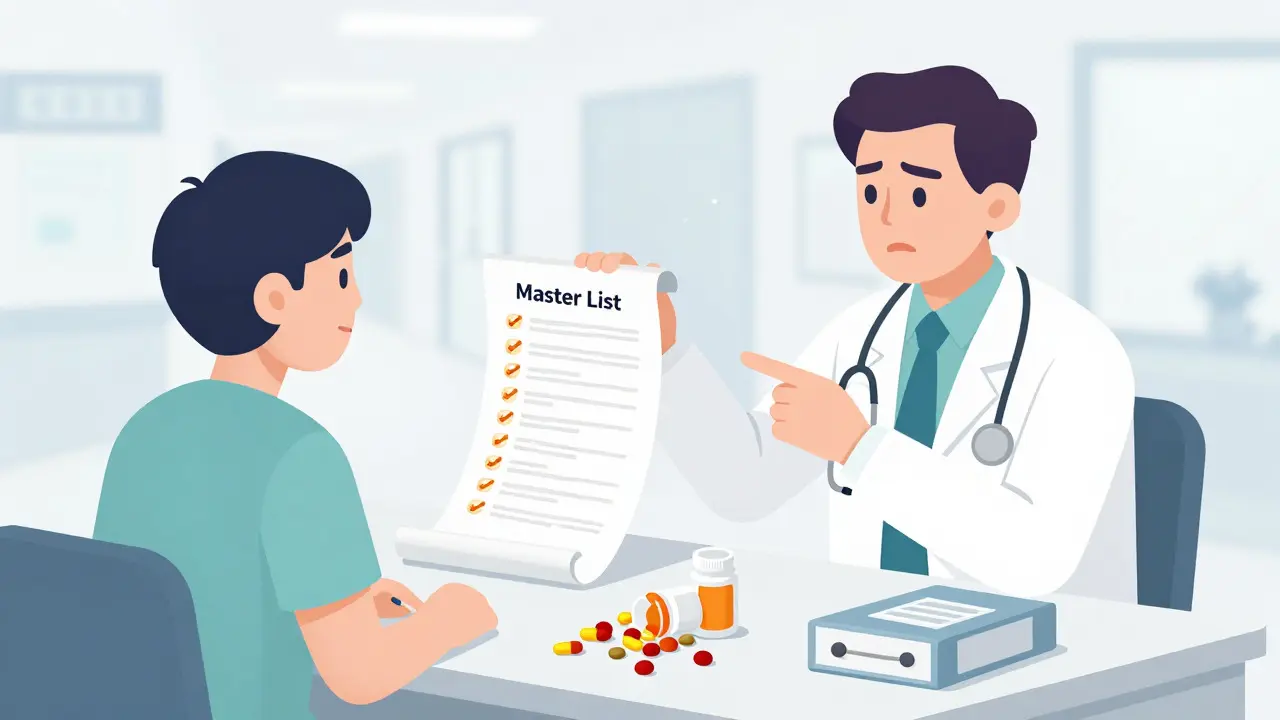
- Keep a Master List: Write down every medication and supplement you take, including dosages. Update it every month. Bring this list to every doctor’s appointment. The NIH offers a free tool called "My Dietary Supplement and Medicine Record" that helps you track this easily.
- Tell Everything: Don’t hide the "weird" stuff. If you take a tea blend, a probiotic, or a weight-loss powder, mention it. Doctors can’t warn you about interactions if they don’t know what’s in your cup.
- Check for Red Flags: Be extra cautious if you are on blood thinners, immunosuppressants, chemotherapy, or antidepressants. These classes of drugs have the highest interaction potential with common herbs like Ginkgo, Ginseng, and St. John's Wort.
- Watch for Side Effects: Rashes, unusual bruising, digestive upset, or changes in energy levels can be early signs of an interaction or toxicity. If you start a new supplement and feel "off," pause and consult a professional.
- Report Problems: If you suspect a supplement caused harm, report it to the FDA via MedWatch. It helps build the data needed to improve safety standards.
Understanding these risks doesn’t mean you should stop using supplements altogether. It means moving from passive consumption to active management. Your health is complex, and adding external substances adds variables. By treating your supplement routine with the same respect you give your prescription meds, you keep the benefits while keeping the dangers in check.
Are natural supplements safer than prescription drugs?
Not necessarily. While supplements are often perceived as safer because they are 'natural,' they are not subject to the same pre-market safety and efficacy testing as prescription drugs. They can still cause significant side effects, toxicity, and dangerous interactions with other medications.
What is the most common risk associated with dietary supplements?
Drug-supplement interactions are among the most common and dangerous risks. This occurs when a supplement alters how the body metabolizes a medication, either reducing its effectiveness or increasing its side effects. Examples include St. John's Wort reducing birth control efficacy or Ginkgo Biloba increasing bleeding risk with anticoagulants.
Should I stop taking supplements before surgery?
Generally, yes, but only after consulting your surgeon or anesthesiologist. Many supplements affect blood clotting, blood sugar, or nerve function, which can complicate anesthesia and healing. Always disclose all supplement use to your healthcare team at least two weeks before any scheduled procedure.
Can vitamins be toxic?
Yes, especially fat-soluble vitamins like A, D, E, and K. Because the body stores these vitamins, taking doses significantly higher than the recommended daily allowance can lead to accumulation and toxicity, causing symptoms ranging from liver damage to bone pain and neurological issues.
How do I report a bad reaction to a supplement?
You can report adverse events to the U.S. Food and Drug Administration (FDA) through the MedWatch Online Reporting system. This helps regulators identify patterns and potential safety issues that may not be apparent from manufacturer reports alone.