
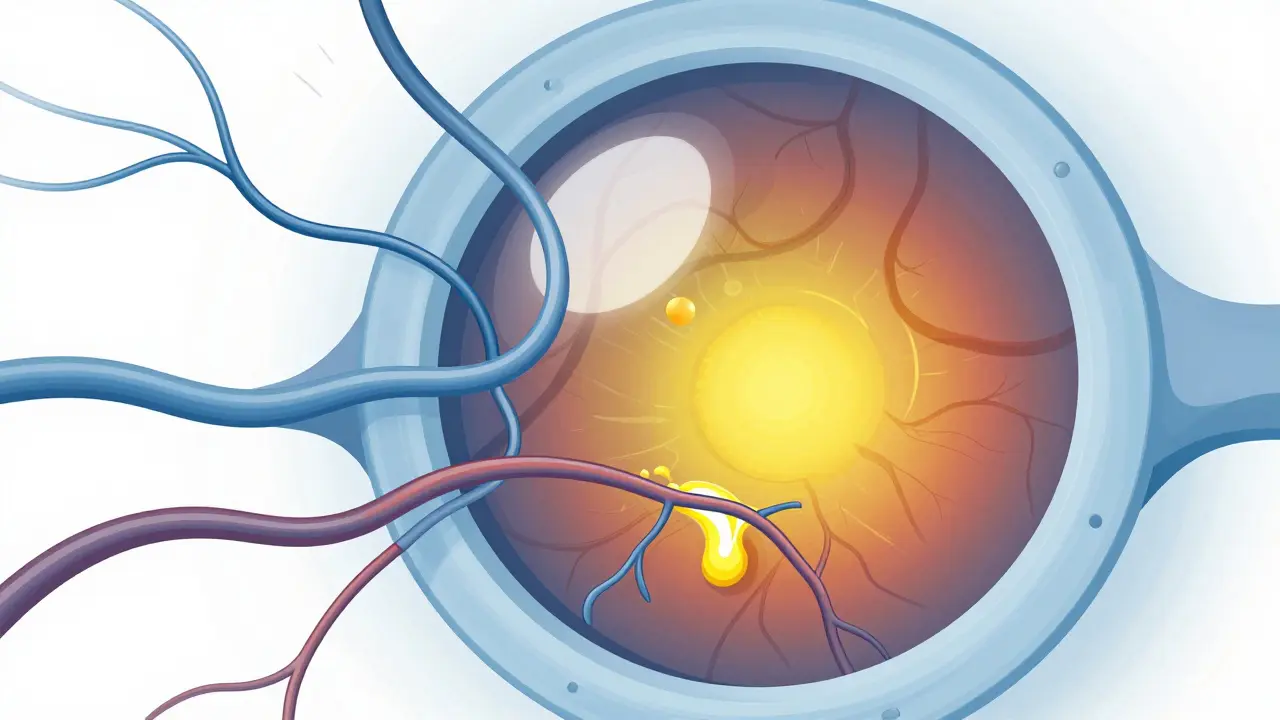
You might think your vision is perfect because you can read a menu or drive to work without trouble. But if you have diabetes, that clear view could be hiding a silent threat. Diabetic retinopathy is a serious eye condition caused by high blood sugar damaging the tiny blood vessels in the retina. It is the leading cause of blindness in working-age adults, yet it often shows no symptoms until the damage is severe.
The scary part? You won't feel pain. You won't see blurriness right away. By the time you notice floaters or dark spots, the disease may have already progressed to a stage where saving your sight becomes much harder. This article breaks down how this damage happens, why regular screenings are non-negotiable, and how laser treatment acts as a critical defense mechanism to seal leaking vessels and prevent total vision loss.
How High Blood Sugar Damages Your Retina
To understand the treatment, you first need to understand the enemy. Your retina is the light-sensitive tissue at the back of your eye. Think of it like the film in a camera; it captures images and sends them to your brain via the optic nerve. This tissue relies on a dense network of microscopic blood vessels to stay healthy.
When you have diabetes, chronically high levels of glucose in your bloodstream act like sandpaper inside these delicate vessels. Over time, the walls of the capillaries weaken. They develop weak spots called microaneurysms, which are essentially tiny bulges in the vessel walls that can leak fluid into the surrounding retinal tissue.
This leakage causes swelling, known as retinal edema. When this swelling occurs in the macula-the central part of the retina responsible for sharp, detailed vision-it leads to Diabetic Macular Edema (DME). DME is one of the most common causes of vision loss in people with diabetes. The National Eye Institute reports that about 1 in 15 people with diabetes will develop this specific complication.
If the damage worsens, the blood vessels can become completely blocked. Without blood flow, parts of the retina start to starve for oxygen. In a desperate attempt to survive, the eye signals the growth of new blood vessels. This is the hallmark of proliferative diabetic retinopathy.
The Stages of Diabetic Retinopathy
Doctors classify this condition into distinct stages based on the severity of the damage. Understanding where you stand helps determine the urgency of treatment.
- Mild Nonproliferative Diabetic Retinopathy (NPDR): At this early stage, you have microaneurysms. The blood vessels are weakened but haven't leaked significantly yet. Most people with diabetes spend years in this stage. Vision usually remains normal.
- Moderate NPDR: The blockage of some blood vessels prevents blood from reaching certain areas of the retina. The eye begins to show signs of distress, but vision might still seem fine.
- Severe NPDR: Many more blood vessels are blocked. The retina is severely deprived of blood supply. This stage creates a high risk of progressing to proliferative retinopathy.
- Proliferative Diabetic Retinopathy (PDR): This is the advanced stage. New, abnormal blood vessels grow on the surface of the retina. These vessels are fragile and prone to bleeding. If they bleed into the vitreous (the gel-like substance filling the eye), you might suddenly see black spots or cobwebs. In worst-case scenarios, scar tissue forms and pulls on the retina, causing a retinal detachment, which is a medical emergency.
Why You Can't Wait for Symptoms
Here is the biggest trap patients fall into: waiting for their vision to change before seeing an eye doctor. According to the Cleveland Clinic, diabetic retinopathy typically has no symptoms in its early and moderate stages. You can have significant leakage and vessel damage while still reading 20/20.
By the time symptoms appear, the disease is often advanced. Common late-stage symptoms include:
- Blurred or wavy vision
- Sudden appearance of floaters or dark spots
- Difficulty seeing at night
- Impaired color vision
- Empty or dark areas in your visual field
Dr. Alberto Chavez Velazquez, an endocrinologist at University Health's Texas Diabetes Institute, emphasizes that retinopathy is a major microvascular complication that is fortunately preventable. The key word is *preventable*. Prevention isn't about guessing; it's about data. That data comes from a comprehensive dilated eye exam.
How Laser Treatment Saves Your Sight
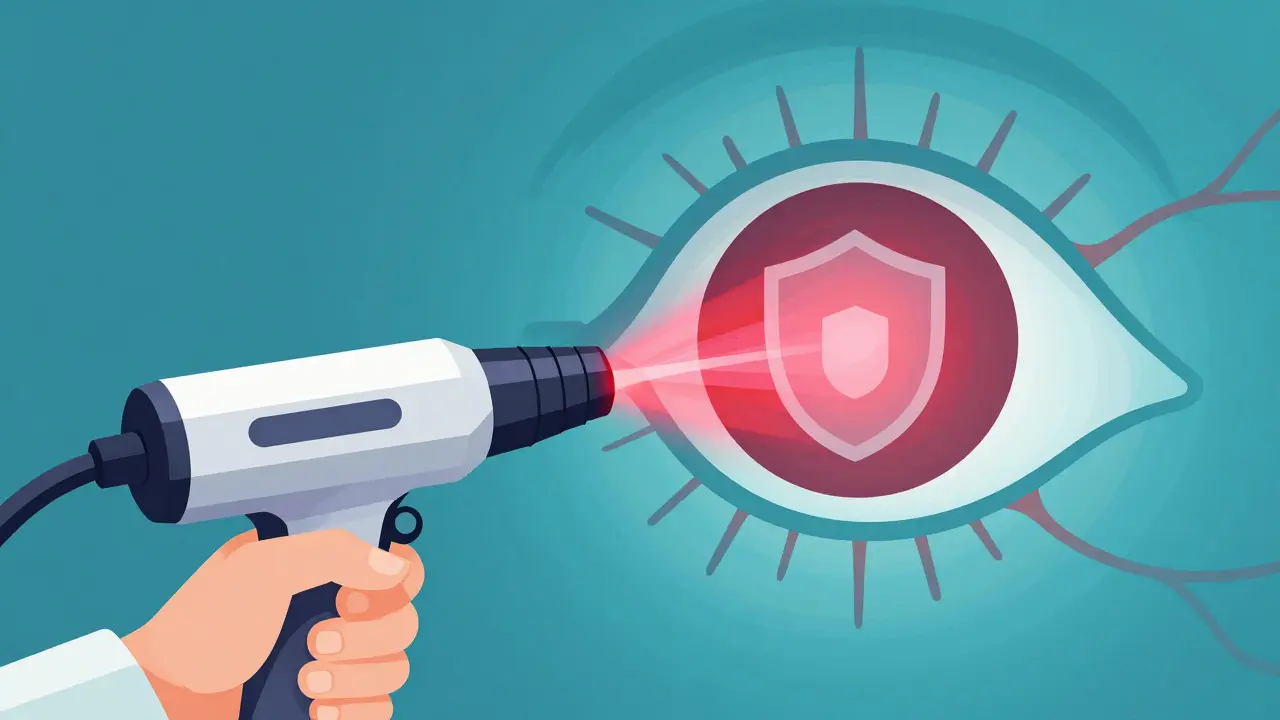
When medication or observation isn't enough, doctors turn to laser therapy. Specifically, a procedure called panretinal photocoagulation (PRP) is the gold standard for treating proliferative diabetic retinopathy.
It sounds intense, but the goal is preservation. Here is how it works:
- Targeting the Periphery: The laser doesn't focus on the center of your vision (the macula). Instead, it targets the peripheral retina-the outer edges where the blood supply is failing.
- Reducing Oxygen Demand: By applying controlled laser burns to these damaged areas, the doctor destroys the oxygen-starved tissue. This reduces the overall oxygen demand of the retina.
- Stopping Abnormal Growth: With less demand for oxygen, the eye stops sending out distress signals. Consequently, the growth of those fragile, bleeding new blood vessels halts.
- Sealing Leaks: In cases of Diabetic Macular Edema, a different laser technique called focal grid laser treatment may be used. This seals leaking microaneurysms directly under the macula to reduce swelling and stabilize vision.
The procedure is generally painless because the peripheral retina has few pain receptors. You might see flashes of light during the process, similar to a camera flash. While you may experience temporary blurry vision or slight loss of peripheral vision after the treatment, the trade-off is preserving your central vision and preventing blindness.
Risk Factors You Can Control
Laser treatment is a powerful tool, but it is not a cure for diabetes. It manages the damage already done. To stop the disease from coming back or worsening, you must address the root causes. Research clearly links higher blood sugar and hemoglobin A1C levels to the progression of retinopathy.
| Risk Factor | Impact on Retina | Management Strategy |
|---|---|---|
| High Blood Sugar | Damages vessel walls, causes leakage | Maintain target HbA1c levels through diet, medication, and monitoring |
| High Blood Pressure | Stresses blood vessels, increases bleeding risk | Take prescribed antihypertensive medications regularly |
| High Cholesterol | Clogs vessels, reduces blood flow | Adopt a heart-healthy diet and use statins if recommended |
| Smoking | Constricts blood vessels, reduces oxygen delivery | Quit smoking to improve circulation and healing |
| Pregnancy | Hormonal changes can accelerate existing retinopathy | Increase frequency of eye exams during pregnancy |
The duration of your diabetes also plays a role. The longer you have had diabetes, the higher your risk. However, good control can delay onset by years. For Type 1 diabetes, screening should begin five years after diagnosis. For Type 2 diabetes, you should get screened immediately upon diagnosis, as many people have undiagnosed high blood sugar for years before finding out they have the disease.
Beyond Laser: Modern Treatment Options
While laser treatment remains a cornerstone of care, medicine has evolved. Today, ophthalmologists often combine laser therapy with other interventions for better outcomes.
Anti-VEGF injections are now frequently used alongside or instead of laser for certain types of macular edema. VEGF (Vascular Endothelial Growth Factor) is a protein that triggers the growth of new blood vessels. Anti-VEGF drugs block this protein, reducing leakage and swelling. These are injected directly into the eye.
In severe cases involving vitreous hemorrhage (bleeding into the eye's gel) or retinal detachment, vitrectomy surgery may be necessary. This involves removing the cloudy vitreous gel and replacing it with a saline solution to clear vision and repair the retina.
The choice between laser, injections, or surgery depends on the stage of your disease, the location of the damage, and your overall health. There is no one-size-fits-all approach.
Your Action Plan for Eye Health
Knowledge is power, but action saves sight. Here is what you need to do starting today:
- Get Dilated Eye Exams Annually: Don't rely on the quick vision test at your optometrist. You need a comprehensive dilated exam where drops widen your pupils so the doctor can see the entire retina. If you already have retinopathy, you may need exams every three to six months.
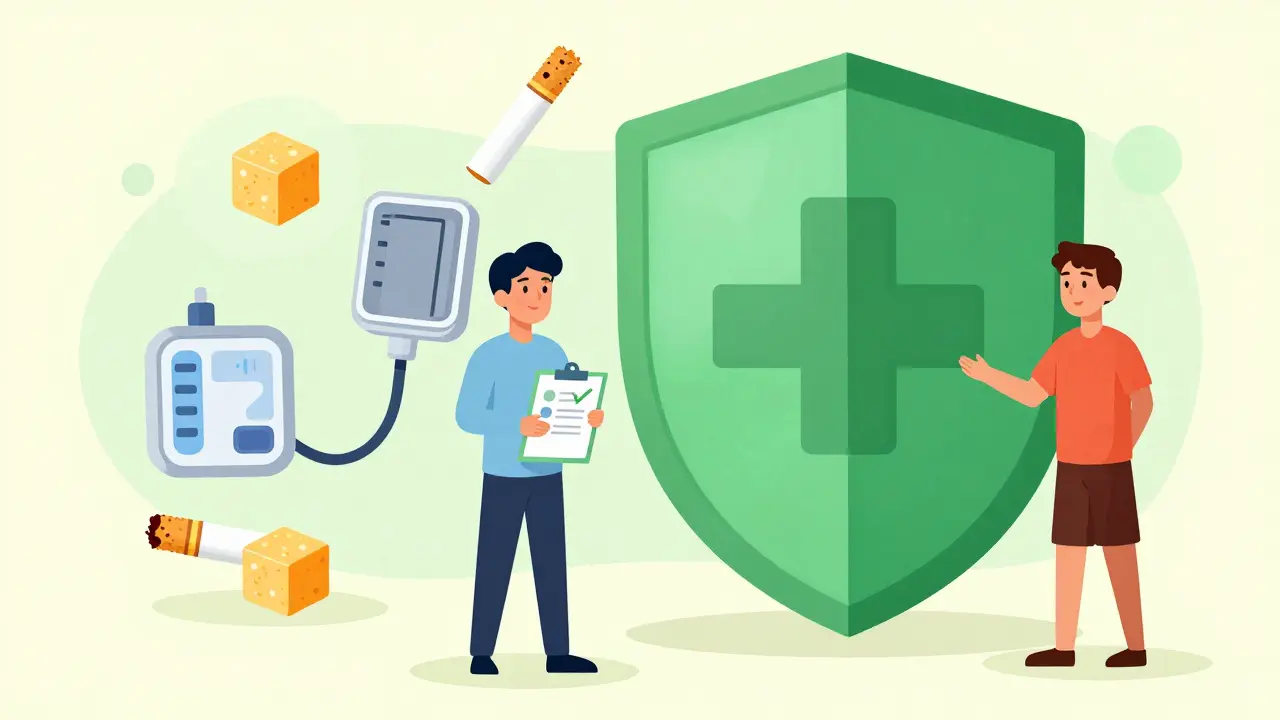
- Control Your Numbers: Work with your primary care provider or endocrinologist to keep your blood sugar, blood pressure, and cholesterol in check. Small improvements make a big difference to your eyes.
- Know the Warning Signs: If you experience sudden floaters, flashes of light, or a shadow over your vision, seek emergency eye care immediately. Do not wait for your next scheduled appointment.
- Stay Consistent with Treatment: If you undergo laser therapy or receive injections, stick to the follow-up schedule. Diabetic retinopathy is a chronic condition that requires ongoing management.
Living with diabetes requires vigilance, but you don't have to accept vision loss as inevitable. By understanding the mechanics of retinal damage and embracing early intervention like laser treatment, you can protect one of your most precious senses. Your eyes are watching out for you; make sure you watch out for them.
Is laser treatment for diabetic retinopathy painful?
Generally, no. The procedure is performed in an outpatient setting using topical anesthetic drops to numb the eye. You may feel slight pressure or see bright flashes of light, but most patients report little to no pain during the actual laser application. Some discomfort or blurred vision may occur for a day or two afterward.
Can laser treatment restore lost vision?
Laser treatment is primarily designed to prevent further vision loss rather than restore vision that has already been damaged. It works by sealing leaking vessels or stopping the growth of abnormal ones. In some cases of macular edema, vision may improve slightly as swelling reduces, but the main goal is stabilization and preservation of remaining sight.
How often should I get my eyes checked if I have diabetes?
If you have Type 2 diabetes, you should have a comprehensive dilated eye exam immediately upon diagnosis and then annually. For Type 1 diabetes, start screening five years after diagnosis and continue annually. If you already have signs of retinopathy, your eye doctor may recommend exams every three to six months depending on severity.
What are the side effects of panretinal photocoagulation?
Common side effects include temporary blurred vision, mild eye irritation, and potentially a small loss of peripheral (side) vision or night vision. This occurs because the laser treats the outer retina. However, this trade-off is considered acceptable to preserve central vision and prevent total blindness.
Does controlling blood sugar reverse diabetic retinopathy?
Strict blood sugar control can slow or halt the progression of diabetic retinopathy and may even lead to mild improvement in early stages. However, it cannot fully reverse structural damage like scar tissue or detached retina. Once advanced damage occurs, medical interventions like laser or surgery are necessary regardless of blood sugar levels.