
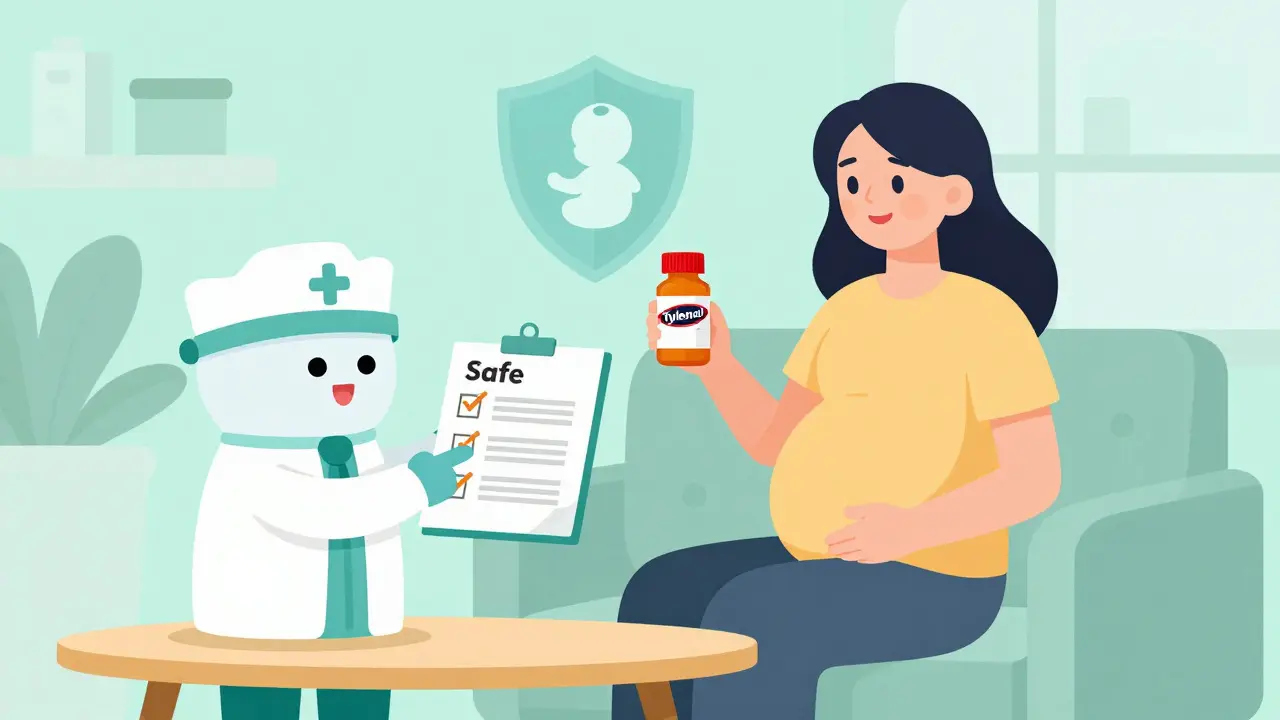
It is a startling statistic that nearly 90% of pregnant people take at least one medication during their pregnancy. Yet, for decades, the guidance on what was safe felt like guessing in the dark. You might have heard the old A, B, C, D, X categories from your doctor or seen them on older bottle labels. Those letters were meant to help, but they often caused more fear than clarity. In 2015, the U.S. Food and Drug Administration (FDA) replaced that confusing system with the Pregnancy and Lactation Labeling Rule (PLLR), which requires detailed narrative summaries of risk data instead of simple letter grades. Today, we have much better evidence thanks to registries like MotherToBaby, which has tracked over 100,000 medication exposures since 1985. This guide breaks down exactly which medications are considered safe, how to use them correctly, and where the real risks lie, so you can manage symptoms without unnecessary worry.
Why Clear Guidance Matters More Than Ever
About 45% of pregnancies in the United States are unplanned. This means many people are already taking medications before they even know they are expecting. The goal isn't to panic about every pill you took last month. It is to make informed choices moving forward. The American College of Obstetricians and Gynecologists (ACOG) emphasizes that stopping necessary medication can sometimes be riskier than continuing it. For example, uncontrolled high blood pressure or severe depression poses significant threats to both mother and baby. The key is balancing maternal health needs with fetal protection using evidence-based choices.
Pain Relief and Fever Management
Headaches and fevers are common, but your options for treating them are narrower than usual. Acetaminophen (brand name Tylenol) is widely regarded as the gold standard for pain and fever relief during pregnancy. Major institutions including the University of Michigan Medicine and Cleveland Clinic consistently recommend it. However, dosage matters. You should not exceed 3,000mg per 24 hours. While some recent studies suggest potential neurodevelopmental concerns with prolonged high-dose use, the evidence remains inconclusive, and it remains the safest option available for most patients.
Avoid non-steroidal anti-inflammatory drugs (NSAIDs) like ibuprofen (Advil, Motrin) and naproxen (Aleve). These are generally safe in the first two trimesters for short-term use but should be avoided after 20 weeks. Using NSAIDs late in pregnancy can cause complications with the baby’s kidneys and reduce amniotic fluid levels. Always check combination products; Tylenol PM, for instance, contains acetaminophen plus diphenhydramine, so you must count that toward your daily acetaminophen limit.
Allergy and Congestion Relief
Sneezing and stuffy noses don’t stop just because you are pregnant. Antihistamines are generally considered safe, but not all are created equal. Cetirizine (Zyrtec) is the most frequently recommended option, appearing in 9 out of 10 major clinical guides. The standard dose is 10mg daily. Loratadine (Claritin) at 10mg daily is also widely accepted. If you prefer a non-drowsy formula, fexofenadine (Allegra) at 180mg daily is another solid choice backed by extensive registry data showing no increased risk of major birth defects.
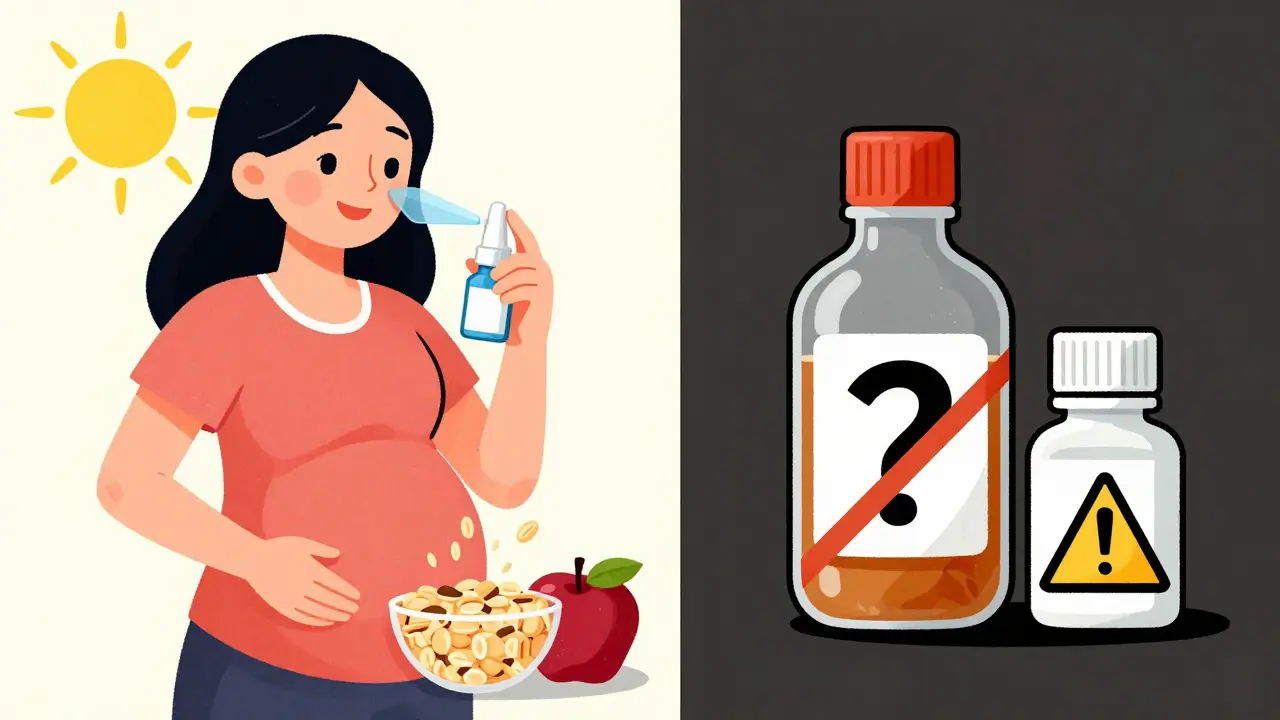
Congestion is trickier. Saline nasal sprays are universally recommended because they are drug-free and effective. If you need stronger relief, avoid multi-symptom cold formulas. Look for plain guaifenesin (Mucinex) for mucus thinning. Be very careful with decongestants containing pseudoephedrine (Sudafed). Many experts advise avoiding it in the first trimester entirely. If used later in pregnancy, it should only be done under strict medical supervision, especially if you have high blood pressure, as it can raise your BP further. Never use Afrin (oxymetazoline) for more than three consecutive days, or you will trigger rebound congestion that is harder to treat.
Gastrointestinal Issues: Heartburn and Constipation
Hormonal changes slow down digestion, leading to heartburn and constipation for many expectant parents. For heartburn, calcium carbonate (Tums) is the first-line defense. It provides immediate relief and adds calcium to your diet. Take it as needed, but watch your total calcium intake to avoid constipation. If Tums aren’t enough, famotidine (Pepcid) is a safe H2 blocker. The typical maximum dose is 20mg twice daily. Avoid older antacids containing sodium bicarbonate in large amounts, as they can affect fluid balance.
For constipation, fiber supplements and plenty of water are the best starting point. If those fail, polyethylene glycol (Miralax) is considered safe and effective. The standard dose is 17g daily. Stimulant laxatives like senna or bisacodyl should be used sparingly and only if recommended by your provider, as they can cause cramping.
Nausea and Morning Sickness
Morning sickness can be debilitating, affecting up to 80% of pregnancies. The most evidence-based approach combines lifestyle changes with specific medications. Vitamin B6 (pyridoxine) is safe and effective. The standard recommendation is 25mg taken three times daily. For moderate to severe nausea, combining Vitamin B6 with doxylamine succinate (Unisom SleepTabs) is highly effective. This combination is actually the active ingredient in Diclegis, an FDA-approved prescription drug for morning sickness. You can buy Unisom over the counter, but ensure you get the sleep aid version (doxylamine), not the allergy version (diphenhydramine). Start with half a tablet at bedtime and increase as needed, up to three times daily, under your doctor’s guidance.

Antibiotics and Chronic Conditions
If you need antibiotics for an infection, do not skip them. Untreated infections pose a greater risk than most antibiotics. Penicillins (like amoxicillin) and cephalosporins are generally considered safe throughout pregnancy. Macrolides like azithromycin are also commonly used. Avoid tetracyclines (like doxycycline) as they can affect bone growth and tooth discoloration in the baby.
For chronic conditions like asthma or thyroid disorders, continuing your prescribed medication is crucial. Inhaled corticosteroids for asthma are safe and necessary to keep oxygen levels high for the baby. Similarly, levothyroxine for hypothyroidism is essential. If you take antidepressants, talk to your psychiatrist and OB-GYN. SSRIs like sertraline (Zoloft) are often continued when benefits outweigh risks, though there is a small risk of neonatal adaptation syndrome in the first few days after birth, which is usually manageable.
| Condition | Safe Option | Dosage Note | Avoid/Caution |
|---|---|---|---|
| Pain/Fever | Acetaminophen (Tylenol) | Max 3,000mg/24h | Ibuprofen, Naproxen (after 20 weeks) |
| Allergies | Cetirizine (Zyrtec) | 10mg daily | Multi-symptom formulas |
| Congestion | Saline Spray, Guaifenesin | As directed | Pseudoephedrine (1st trimester) |
| Heartburn | Calcium Carbonate (Tums) | As needed | High-dose sodium bicarbonate |
| Nausea | Vitamin B6 + Doxylamine | B6: 25mg TID; Doxylamine: 12.5-25mg | Unverified herbal remedies |
| Constipation | Polyethylene Glycol (Miralax) | 17g daily | Stimulant laxatives (long-term) |
Hidden Risks in "Natural" Remedies
A common misconception is that natural or herbal remedies are automatically safe. This is rarely true. Many herbs lack rigorous safety testing in pregnancy. For example, high doses of vitamin A can be teratogenic (causing birth defects). Herbal teas containing chamomile or peppermint are usually fine in moderation, but strong medicinal herbs like black cohosh or dong quai should be avoided unless prescribed by a specialist. Always disclose every supplement and herb you take to your healthcare provider. The MotherToBaby registry handles thousands of inquiries about herbal products, and the data often shows unknown risks rather than proven safety.
How to Navigate Pharmacy Conversations
Pharmacists are your allies. When picking up a medication, ask specifically: "Is this safe for my current trimester?" Laws vary by state regarding behind-the-counter drugs like pseudoephedrine. In some places, you need ID and documentation. Don’t be embarrassed; this is routine. Keep a list of all your medications, including over-the-counter drugs and supplements, at your prenatal visits. This helps your provider spot interactions early. Remember, the decision to use any medication involves weighing the benefit to you against the potential risk to the fetus. Sometimes, doing nothing is the riskiest choice.
Is it safe to take Tylenol during pregnancy?
Yes, acetaminophen (Tylenol) is considered the safest pain reliever and fever reducer during pregnancy. However, you should stick to the lowest effective dose for the shortest duration possible. Do not exceed 3,000mg in a 24-hour period. Avoid combination products that contain other ingredients unless approved by your doctor.
Can I take Sudafed for a stuffy nose?
Pseudoephedrine (Sudafed) is generally avoided in the first trimester due to potential risks. In the second and third trimesters, it may be used cautiously if you have high blood pressure controlled and under medical supervision. Saline sprays are a safer first-line alternative for congestion relief.
Are antihistamines like Zyrtec safe?
Yes, cetirizine (Zyrtec), loratadine (Claritin), and fexofenadine (Allegra) are widely considered safe for allergy relief during pregnancy. Extensive data from registries like MotherToBaby show no increased risk of major birth defects with these second-generation antihistamines.
What is the best treatment for morning sickness?
The most effective over-the-counter strategy is combining Vitamin B6 (25mg three times daily) with doxylamine succinate (Unisom SleepTabs, 12.5-25mg up to three times daily). This combination is the basis for the prescription drug Diclegis. Always consult your provider before starting this regimen.
Should I stop my antidepressants when I find out I'm pregnant?
Do not stop antidepressants abruptly without consulting your doctor. Untreated depression can harm both mother and baby. SSRIs like sertraline are often continued because the benefits usually outweigh the risks. Your provider may adjust the dose or monitor for neonatal adaptation syndrome after birth.
Are herbal supplements safe during pregnancy?
Not necessarily. Many herbal supplements lack rigorous safety testing in pregnant populations. Some, like high-dose vitamin A or certain Chinese herbs, can be harmful. Always clear any herbal remedy with your healthcare provider before use. Stick to proven treatments for common ailments.
Can I use ibuprofen in the first trimester?
Ibuprofen is generally avoided in the third trimester (after 20 weeks) due to kidney risks for the baby. In the first and second trimesters, it is sometimes used for short periods, but acetaminophen is preferred. Always check with your provider before using NSAIDs.
What should I do for heartburn?
Start with calcium carbonate (Tums) as needed. If that doesn't work, famotidine (Pepcid) is a safe next step. Lifestyle changes like eating smaller meals, avoiding spicy foods, and not lying down immediately after eating can also significantly reduce symptoms.
Earl Oleary
July 27, 2026 AT 10:26People need to stop trusting these generic lists and actually read the raw data. The FDA's PLLR is a step in the right direction but it still relies on manufacturer submissions which are notoriously biased towards safety. I've seen too many cases where 'safe' labels masked teratogenic risks because the sample sizes in those registries were tiny for specific demographics. You think you're being safe by taking Zyrtec but have you looked at the long-term neurodevelopmental studies? They are contradictory at best. Stop guessing.
Laura Odom
July 27, 2026 AT 22:18honestly this is all just fear mongering disguised as science. nobody knows what is truly safe until the kid is born and five years old. we are all just guinea pigs really. the whole idea of "evidence based" is a joke when half the drugs were never tested on pregnant women because pharma companies dont want liability. so yeah take your tylenol or dont, who cares. its all random anyway.
MiMi Stanley
July 28, 2026 AT 20:39I found the section on morning sickness really helpful. I was struggling with nausea during my first trimester and wasn't sure if B6 was enough. Seeing that doxylamine is an option made me feel better about talking to my OB. It's nice to have concrete steps instead of just "rest more."
Sean Allwurden
July 28, 2026 AT 21:26This is a solid breakdown of the current clinical guidelines. From a pharmacokinetic perspective, the shift from categorical labeling to narrative summaries allows for a more nuanced risk-benefit analysis, particularly for chronic conditions like hypertension or depression where discontinuation poses a higher morbidity risk than continuation. The emphasis on acetaminophen as the first-line analgesic aligns with most obstetric protocols, though monitoring cumulative daily dosage is critical to avoid hepatotoxicity. Great resource for patient education.
Megan Crossland
July 30, 2026 AT 13:16just stick to natural stuff. chemicals are bad. tums are fine but everything else is poison basically. why trust big pharma?
Crystal Tadlock
July 31, 2026 AT 02:06they are lying to you about natural remedies being safe. black cohosh is toxic. they push these herbs because they cant patent them so they make up stories. i took only vitamins and drank water and my baby is perfect. dont listen to doctors who sell pills.
Vineet Hawelia
July 31, 2026 AT 15:46The article provides a comprehensive overview of medication safety during pregnancy. It is important to note that individual medical histories vary significantly. Therefore, consulting with a healthcare provider before initiating any new medication regimen is advisable. The distinction between first-trimester and third-trimester restrictions for NSAIDs is particularly noteworthy for clinical practice.
Katie Caruthers
August 1, 2026 AT 07:52It makes me so angry that women have to worry about every single pill they take while men can do whatever they want. And then if something goes wrong it is always the mothers fault. This list is good but it feels like we are walking on eggshells constantly. I felt judged by my pharmacist just for asking about ibuprofen once. It is exhausting.
Najmunisa Govender
August 2, 2026 AT 00:16This is such a wonderful summary! Thank you for sharing this information. It is very reassuring to know that there are safe options available for common ailments like allergies and heartburn. I often feel overwhelmed by conflicting advice online, so having clear, evidence-based guidance is incredibly helpful. Please keep writing posts like this!
Jairam Prasad
August 3, 2026 AT 19:22In India, we often rely on traditional Ayurvedic remedies alongside modern medicine, so this cautionary note about herbal supplements is timely. Many assume 'natural' means harmless, yet substances like high-dose Vitamin A or certain roots can indeed be teratogenic. The skepticism towards unverified herbal products is well-founded, though one might argue that rigorous testing of traditional formulations could offer safer alternatives rather than total avoidance. Interesting perspective.
Gary Hull
August 5, 2026 AT 00:32i disagree with the part about antidepressants. stopping them is always better. the baby will be fine without mom being happy. its all about sacrifice. plus those drugs cause weird behavior in kids later. just tough it out.
Padraic Cepek
August 6, 2026 AT 00:08typical american post full of useless info. in europe we handle this better. also why is everyone so obsessed with pills? drink water and walk around. simple. this guide is too complicated for normal people.
Tad Cronn
August 7, 2026 AT 22:22You guys are missing the point about boundary crossing here. If you are pregnant you should have no secrets from your doctor. Show them your phone. Show them your bathroom cabinet. Privacy is for criminals. Also Earl above is right about the data being flawed but he doesnt go far enough. We need mandatory blood tests for every supplement you buy to ensure purity. Trust no one.