
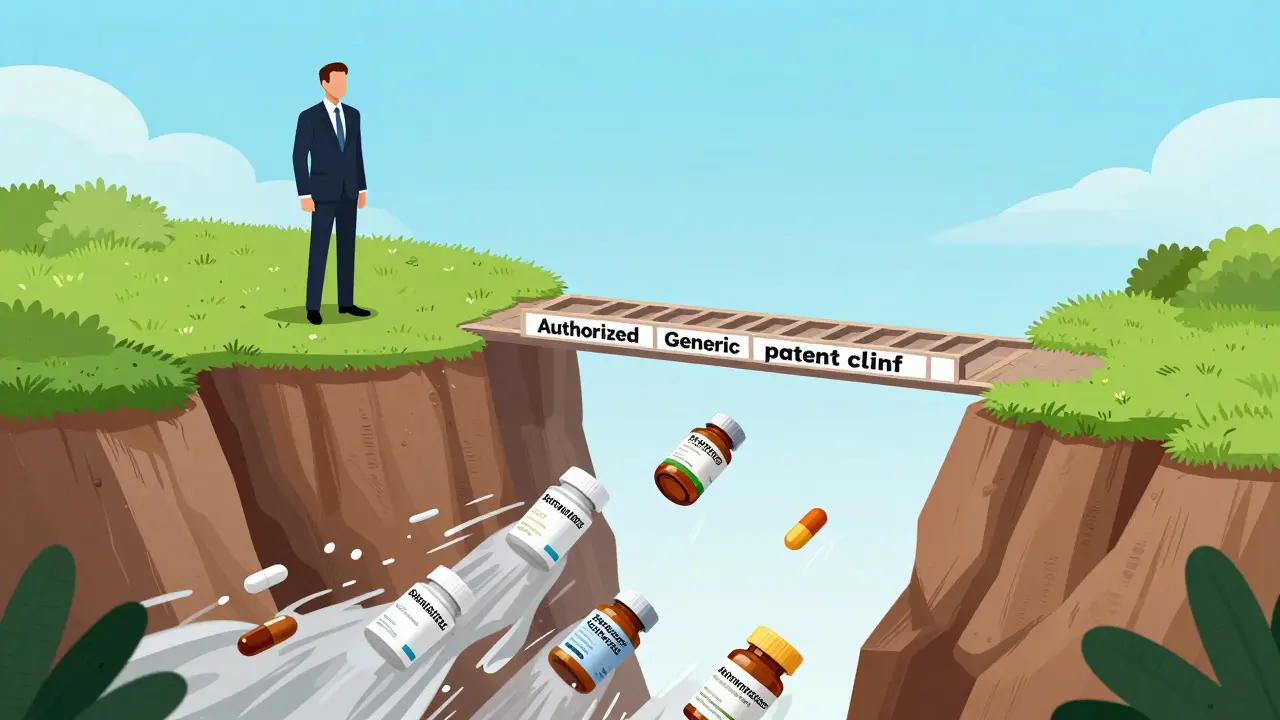
The Strategy Behind the Switch
When a patent ends, the Hatch-Waxman Act provides a special reward: the first generic company to file a successful application usually gets 180 days of market exclusivity. During this window, they are the only generic option available, allowing them to charge higher prices and capture a massive chunk of the market. Brand companies hate this gap. To fight back, they launch an authorized generic. Because it is the original drug, they don't have to go through the long process of proving the drug works-they already have the data. By launching their own generic version during that 180-day window, they compete directly with the first generic entrant, effectively stealing back some of that market share and keeping revenue flowing into their own pockets.Authorized vs. Traditional Generics: What is the Difference?
Not all generics are created equal. Most people think a generic is just a cheaper version of a drug, but there is a big technical difference between a "traditional" generic and an "authorized" one.| Feature | Authorized Generic | Traditional Generic |
|---|---|---|
| Ingredients | Identical active AND inactive ingredients | Identical active; inactive may vary |
| FDA Pathway | Uses original New Drug Application (NDA) | Requires Abbreviated New Drug Application (ANDA) |
| Orange Book Listing | Not listed in the FDA Orange Book | Listed in the FDA Orange Book |
| Approval Process | Simple notification to the FDA | Must prove bioequivalence (same effect) |
| Manufacturing | Same factory/process as brand name | Different manufacturer's process |
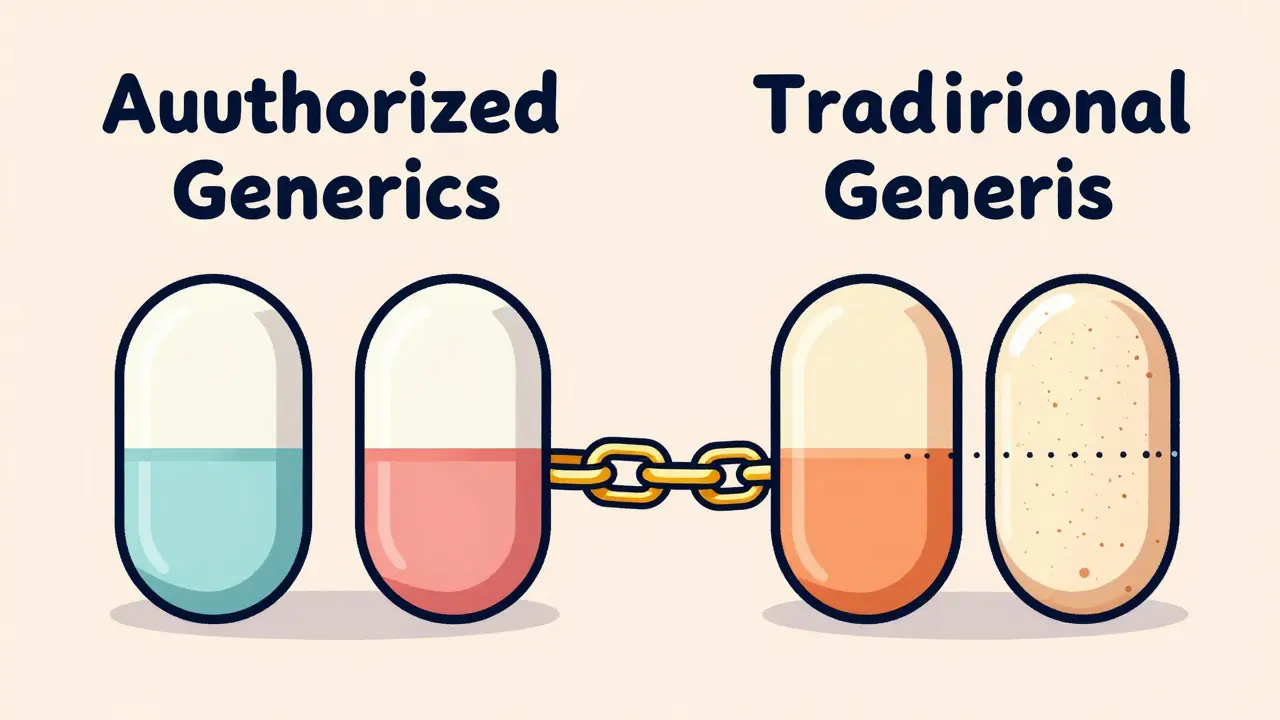
Why the "Inactive Ingredients" Actually Matter
You might wonder why anyone cares about inactive ingredients-the fillers, binders, and coatings. For most drugs, they don't matter. But for narrow therapeutic index drugs, a tiny change in how a drug dissolves can change how much enters your bloodstream. This is why authorized generics are a lifesaver for some. There are cases where a patient might struggle with a traditional generic because a different filler causes a reaction or changes the absorption rate, but they do perfectly fine on an authorized generic because it is chemically identical to the brand they were used to. This is particularly common in central nervous system medications, where consistency is everything. In fact, about 67% of these types of drugs see high authorized generic adoption because the risk of switching formulations is too high.Real-World Examples of the Tactic
This isn't just a theory; it's happening in your local pharmacy right now. Look at Greenstone Pharmaceuticals, which is essentially Pfizer's arm for authorized generics. They've released versions of drugs like celecoxib (the generic for Celebrex) that mirror the brand perfectly. Other examples include Prasco Laboratories producing an authorized version of colchicine (Colcrys) and Jerome Stevens Pharmaceuticals doing the same for levothyroxine (Unithroid). In each case, the goal is the same: don't let the market be completely taken over by a third-party generic company.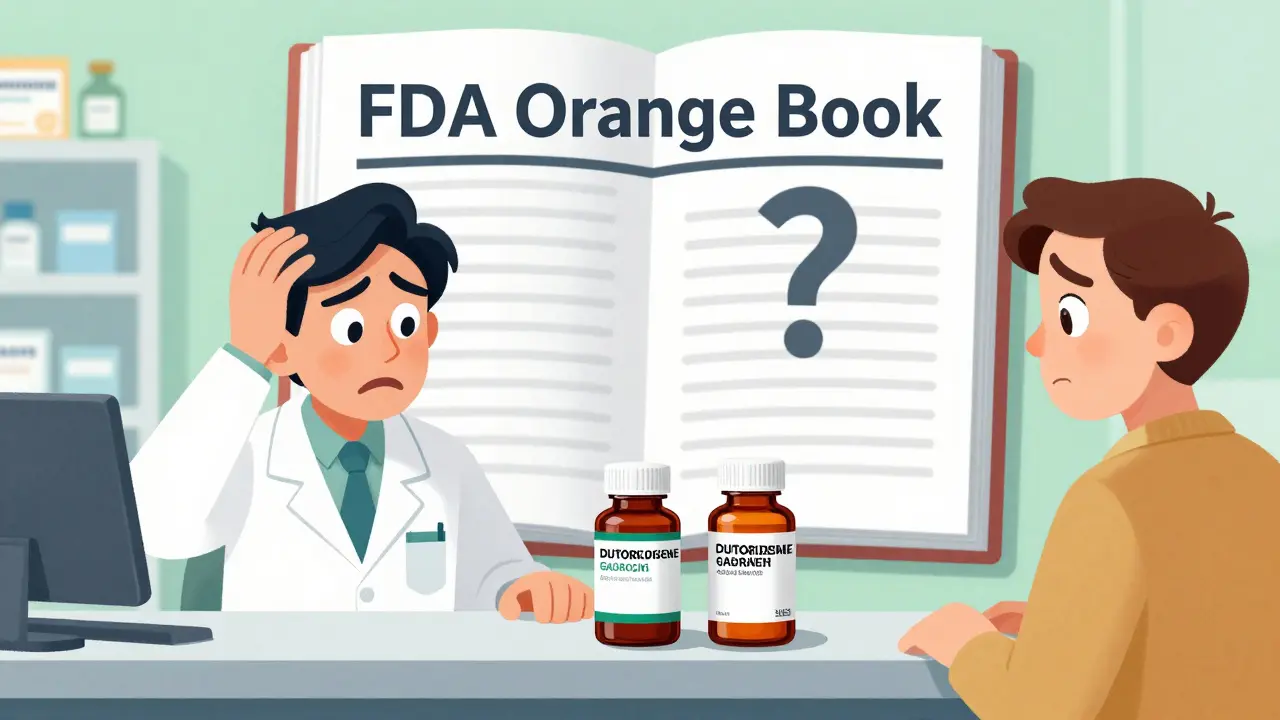
The Great Debate: Does This Help the Consumer?
Depending on who you ask, authorized generics are either a win for patients or a trick by big pharma. On one hand, the Federal Trade Commission (FTC) found that these drugs actually lower prices. When a brand company launches an authorized generic during that 180-day exclusivity window, it forces the price down because there is now more than one generic option. Their 2011 report suggested prices were 15-20% lower in markets with authorized generics compared to those without. On the other hand, critics like the Generic Pharmaceutical Association (GPhA) argue that this is just market manipulation. They believe that by fragmenting the market, brand companies can actually slow down the entry of *other* generic competitors, which could lead to higher prices in the long run. It is a tug-of-war between short-term price drops and long-term market competition.The Pharmacy Headache: Identification and Billing
If you've ever spent twenty minutes at the pharmacy counter while the pharmacist looks confused, you might have run into the "authorized generic problem." Because these drugs aren't listed in the FDA Orange Book (the gold-standard list for therapeutic equivalence), they can be hard to track. Pharmacists often struggle to tell the difference between a brand-name drug and its authorized generic at the point of sale, especially since they look almost identical. Some pharmacy software, like Epic Systems, has added flags to help identify these specifically, which has cut down errors by over 60%. However, many independent pharmacists still report a high volume of patient questions because the labeling isn't always clear. You might get a pill that looks exactly like your brand-name drug but is labeled as a generic, leading to the common question: "Is this actually the right medicine?"Is an authorized generic the same as a brand-name drug?
Yes. Unlike traditional generics, which only need the same active ingredient, authorized generics have the exact same active and inactive ingredients as the brand-name version. They are essentially the brand-name drug sold without the brand-name label.
Why are authorized generics cheaper than brand names?
They are priced lower to compete with traditional generic manufacturers. The brand company knows that if they don't offer a cheaper version, patients and insurance companies will simply switch to a competitor's generic.
Will my insurance cover an authorized generic?
Usually, yes. Most Pharmacy Benefit Managers (PBMs) like Express Scripts or OptumRx prefer authorized generics because they provide the quality of a brand-name drug at a generic price point.
How can I tell if I'm taking an authorized generic?
Check the labeling on your prescription bottle. It won't have the famous brand name, but the physical appearance of the pill (color, shape) might be identical to the brand. Your pharmacist is the best person to confirm which version you have.
Why aren't they listed in the FDA Orange Book?
The Orange Book lists drugs that have gone through the ANDA (Abbreviated New Drug Application) process to prove they are bioequivalent. Since authorized generics are the original drug, they don't need to prove bioequivalence-they just notify the FDA that they are selling it under a different label.
Benjamin cusden
April 7, 2026 AT 23:30It is frankly amusing that some people actually find the concept of authorized generics surprising. The rudimentary economics of patent protection and market share preservation are basic tenets of pharmaceutical law. Most of the general public lacks the intellectual capacity to understand that a brand company isn't acting out of altruism but is simply hedging against the inevitable decay of their monopoly. The distinction regarding inactive ingredients is a particularly elementary point that any first-year pharmacy student should grasp without difficulty.
Brady Davis
April 8, 2026 AT 14:19Oh wow, look at Big Pharma being so generous and giving us a "discount" while they fight over their precious billions. Truly heartwarming stuff.
Danielle Kelley
April 9, 2026 AT 07:46This is exactly how they keep us hooked and confused! They create these fake "generic" labels just to mask who is actually making the drug and controlling the supply. They're literally playing both sides of the fence to make sure no independent company ever actually disrupts their stranglehold on our health. It's all a shell game to keep the money flowing into the same few pockets while they test different fillers on us like we're lab rats. Wake up and realize that if the brand company is selling the generic, they still own you!
Christopher Cooper
April 11, 2026 AT 00:59The point about narrow therapeutic index drugs is genuinely fascinating. It's encouraging to see that there's a viable path for patients who have adverse reactions to traditional generic fillers. I wonder if more clinicians are actively educating patients on the difference between authorized and traditional versions to reduce those pharmacy counter mishaps. This could really improve quality of life for people on sensitive CNS medications.
Benjamin cusden
April 12, 2026 AT 06:03Your fascination is quaint, but a simple search of the FDA's guidelines would reveal that this is standard operational procedure. It's not a "discovery," it's the system.
Dhriti Chhabra
April 14, 2026 AT 05:30It is truly heartening to observe that there are mechanisms in place to ensure patients receive consistent medication. While the corporate strategies are complex, the ultimate goal of patient stability is a noble pursuit that we can all support.
Vivek Hattangadi
April 15, 2026 AT 15:28I totally agree with the point about those fillers. I've known a few folks who swear they feel different on different generics, and this explains why. It's great that there's a way to get the original formula without the crazy brand price tag. Keep sharing this stuff, it really helps people navigate the pharmacy chaos!
Alexander Idle
April 16, 2026 AT 09:33Imagine the absolute nightmare of being a pharmacist and having to explain this for the thousandth time in one day. It's honestly such a joke that the labeling is this messy. Like, just put a big sticker on it that says "same stuff, cheaper price" and save everyone the headache. The whole thing is just a giant mess and frankly, I can't even deal with the thought of waiting twenty minutes at a pharmacy counter because some software is glitching out.
Rupert McKelvie
April 17, 2026 AT 04:07This is actually quite a positive development for accessibility. It's wonderful that the FTC found a way to bring prices down even further during those exclusivity windows.