
For many people with moderate to severe COPD, breathing doesn’t just get harder over time-it becomes a daily battle. Frequent flare-ups, or exacerbations, can land you in the hospital, disrupt your life, and speed up lung damage. But there’s a treatment that’s changed the game for a specific group: triple inhaler therapy. It’s not for everyone. And it’s not a magic bullet. But for the right person, it can cut down flare-ups by nearly a quarter.
What Exactly Is Triple Inhaler Therapy?
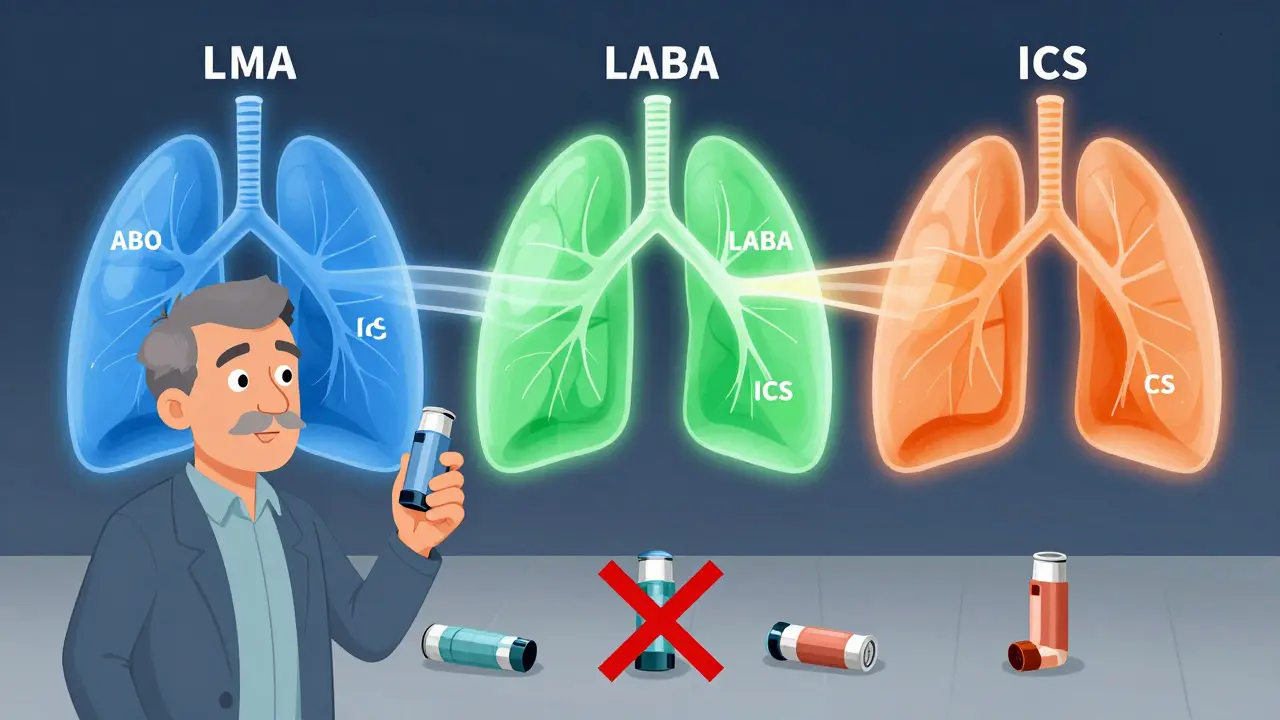
Triple inhaler therapy combines three medications in one device (or sometimes three separate ones) to tackle COPD from three angles:- Long-acting muscarinic antagonist (LAMA) - opens airways by relaxing smooth muscle.
- Long-acting beta-2 agonist (LABA) - also relaxes airways, but through a different pathway.
- Inhaled corticosteroid (ICS) - reduces inflammation and mucus production.
Who Actually Benefits From Triple Therapy?
This is where things get critical. Triple therapy isn’t for all COPD patients. In fact, only about 15-20% of people with COPD qualify for it under current guidelines. The 2024 GOLD guidelines say you’re a candidate if:- You’ve had at least two moderate flare-ups in the past year, or one severe flare-up (like hospitalization or needing steroids/antibiotics).
- Your blood eosinophil count is 300 cells/µL or higher.
Single Inhaler vs. Multiple Inhalers: A Real-World Difference
You can get triple therapy in two ways: one device (SITT) or three separate ones (MITT). Most people don’t realize how big a difference this makes. Real-world data from the TARGET study showed that patients using a single inhaler had a 78.4% adherence rate after 12 months. Those using multiple inhalers? Only 62.1%. Why? Because juggling three devices is confusing. People forget. They mix them up. They get frustrated. One patient I spoke with - a 68-year-old woman in Christchurch - switched from three separate inhalers to Trelegy Ellipta. She told me: “I used to leave one behind when I went shopping. Now I just grab one. It’s the same every day.” After six months, her flare-ups dropped by 40%. A 2023 study in Dove Medical Press found that patients switched from multiple inhalers to single inhaler triple therapy had 37% fewer exacerbations in the following six months - not because the medicine changed, but because they actually took it.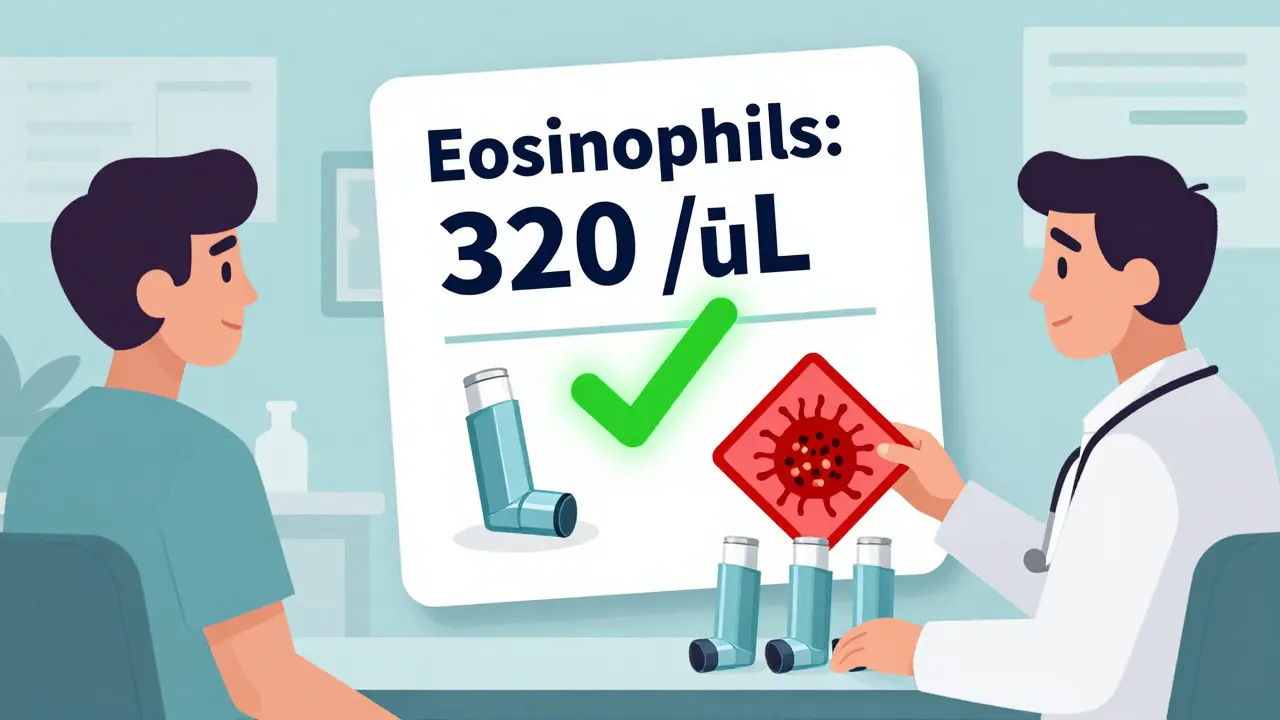
The Pneumonia Risk You Can’t Ignore
ICS reduces inflammation, but it also dampens your lungs’ natural defense system. That’s why pneumonia is the biggest risk. Fluticasone-based inhalers (like Trelegy) carry a 1.83 times higher risk of pneumonia than budesonide-based ones (like Trimbow), according to a 2021 study in Respiratory Medicine. That’s not a small difference. It’s why guidelines now say: “Don’t start ICS unless you really need it.” Symptoms to watch for:- New or worsening cough with yellow or green phlegm
- Fever or chills
- Increased shortness of breath that doesn’t improve with your usual inhaler
- Feeling unusually tired or confused
Why Some Experts Say Triple Therapy Is Overused
There’s a major controversy in the field. Some researchers argue that the benefits we see in trials might be fake. Here’s why: In the IMPACT and ETHOS trials, many patients were already on triple therapy before the study started. When they were switched to dual therapy (LAMA/LABA), they were abruptly taken off their ICS. That sudden withdrawal caused a spike in flare-ups - not because dual therapy was weak, but because stopping steroids cold turkey made things worse. Dr. John Blakey from the University of Western Australia put it bluntly: “The advantage of triple therapy in those trials? Probably just the harm of stopping ICS.” Real-world data backs this up. A UK study of 31,000 COPD patients found no difference in first exacerbation risk between those on triple therapy and those on dual therapy - as long as ICS wasn’t suddenly removed. That’s why experts like Professor Dave Singh from the University of Manchester now say: “Triple therapy should be reserved for patients with specific phenotypic characteristics - not used as blanket treatment.”Cost, Access, and the Hidden Barrier
Even if you qualify, getting triple therapy isn’t easy. In the U.S., brand-name single-inhaler triple therapies cost $75-$150 per month out-of-pocket. For Medicare beneficiaries, 22.3% admit to skipping doses because of cost, according to the Journal of Managed Care & Specialty Pharmacy. In New Zealand, the government subsidizes some formulations, but not all. Patients often wait months for approval. And then there’s technique. Many patients don’t use their inhalers correctly. Studies show that 50-70% of apparent “treatment failure” is actually just poor inhaler technique. A 2022 study found it takes 7.2 minutes to properly teach someone how to use an Ellipta device - longer than most GP appointments allow. Clinicians need to check technique every time. Use a checklist. Watch the patient. Don’t assume they know how.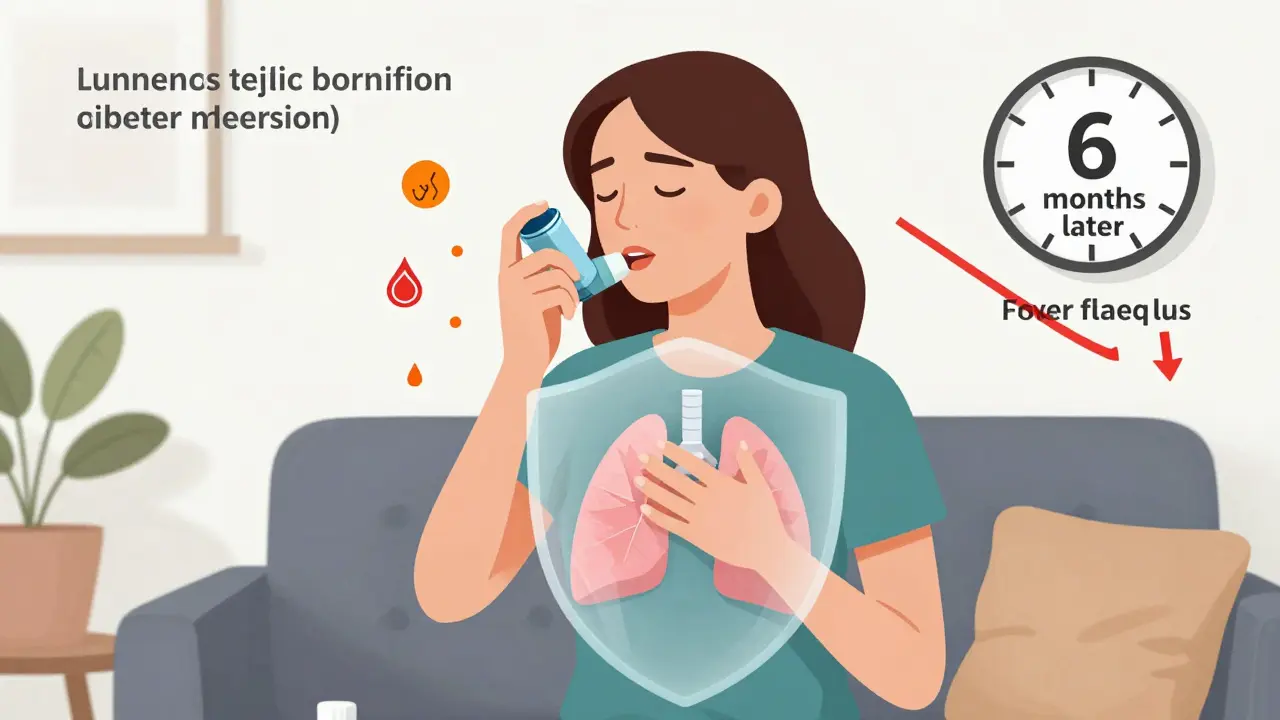
What’s Next? Biomarkers and Personalized Care
The future of COPD treatment is moving away from “one-size-fits-all” and toward biomarker-driven decisions. Right now, blood eosinophils are the best predictor we have. But researchers are looking at other markers - like fractional exhaled nitric oxide (FeNO) - to see if they can predict steroid response even better. The EXACT study (NCT04877882) is testing this right now. And there’s new competition on the horizon. Drugs like dupilumab, originally for asthma and eczema, are now showing promise in phase 3 trials for COPD patients with high eosinophils. If approved, they could offer similar benefits without the pneumonia risk. By 2027, experts predict biomarker-guided therapy will be standard. You won’t just get a diagnosis - you’ll get a personalized treatment plan based on your body’s unique signals.Key Takeaways
- Triple inhaler therapy reduces exacerbations by about 25% - but only if your blood eosinophil count is ≥300 cells/µL.
- Single-inhaler devices improve adherence by 15-20% compared to multiple inhalers.
- Pneumonia risk is real, especially with fluticasone. Budesonide-based options are safer.
- Don’t start triple therapy unless you’ve had frequent flare-ups and have high eosinophils.
- Technique matters more than you think. Always check how someone uses their inhaler.
- Cost and access remain major barriers - especially in countries without full subsidies.
Is triple inhaler therapy right for everyone with COPD?
No. It’s only recommended for people with moderate-to-severe COPD who have had at least two moderate flare-ups or one severe flare-up in the past year, and who have a blood eosinophil count of 300 cells/µL or higher. For others, it offers no benefit and may increase the risk of pneumonia.
What’s the difference between Trelegy Ellipta and Trimbow?
Trelegy Ellipta (fluticasone furoate/umeclidinium/vilanterol) is taken once daily and contains fluticasone, which has a higher pneumonia risk. Trimbow (budesonide/glycopyrronium/formoterol) is taken twice daily and uses budesonide, which carries a lower pneumonia risk. Both are effective, but Trimbow may be preferred for patients with a history of lung infections.
Can I stop using my triple inhaler if I feel better?
Never stop without talking to your doctor. Even if you feel better, stopping ICS suddenly can trigger a severe flare-up. Your doctor may reduce the dose or switch you to a dual therapy if your eosinophil count drops and you’ve been stable for over a year.
How do I know if I’m using my inhaler correctly?
Ask your doctor or pharmacist to watch you use it. Most people make mistakes - like not breathing in slowly enough or not holding their breath. A simple checklist can catch 90% of errors. Some clinics use video tools or apps to review technique remotely.
Are there cheaper alternatives to brand-name triple inhalers?
Generic versions aren’t available yet for most triple inhalers. But some countries offer patient assistance programs or subsidies. In New Zealand, Pharmac may cover Trimbow for eligible patients. Always ask your pharmacist about financial aid options - you might qualify.
What to Do Next
If you or someone you care about has COPD and frequent flare-ups:- Ask for a blood eosinophil test - this is non-negotiable before considering triple therapy.
- If the count is ≥300 and you’ve had ≥2 moderate or ≥1 severe exacerbation, discuss single-inhaler triple therapy with your respiratory specialist.
- Request a technique check - even if you’ve been using an inhaler for years.
- Ask about cost assistance programs or generic alternatives if available.
- Monitor for pneumonia symptoms and report them immediately.
Amber Gray
March 23, 2026 AT 21:58Danielle Arnold
March 24, 2026 AT 02:28Jesse Hall
March 24, 2026 AT 23:16Donna Fogelsong
March 26, 2026 AT 02:20Sean Bechtelheimer
March 27, 2026 AT 22:26Alex Arcilla
March 28, 2026 AT 21:00winnipeg whitegloves
March 29, 2026 AT 13:36Natasha Rodríguez Lara
March 31, 2026 AT 03:47