
Medication Blood Pressure Calculator
Medication Blood Pressure Impact Calculator
Estimate potential blood pressure increase from medications that can cause hypertension. Based on data from medical studies and clinical guidelines.
The FDA requires stronger warnings on NSAID labels for blood pressure effects. Always monitor your blood pressure when taking medications that can raise it.
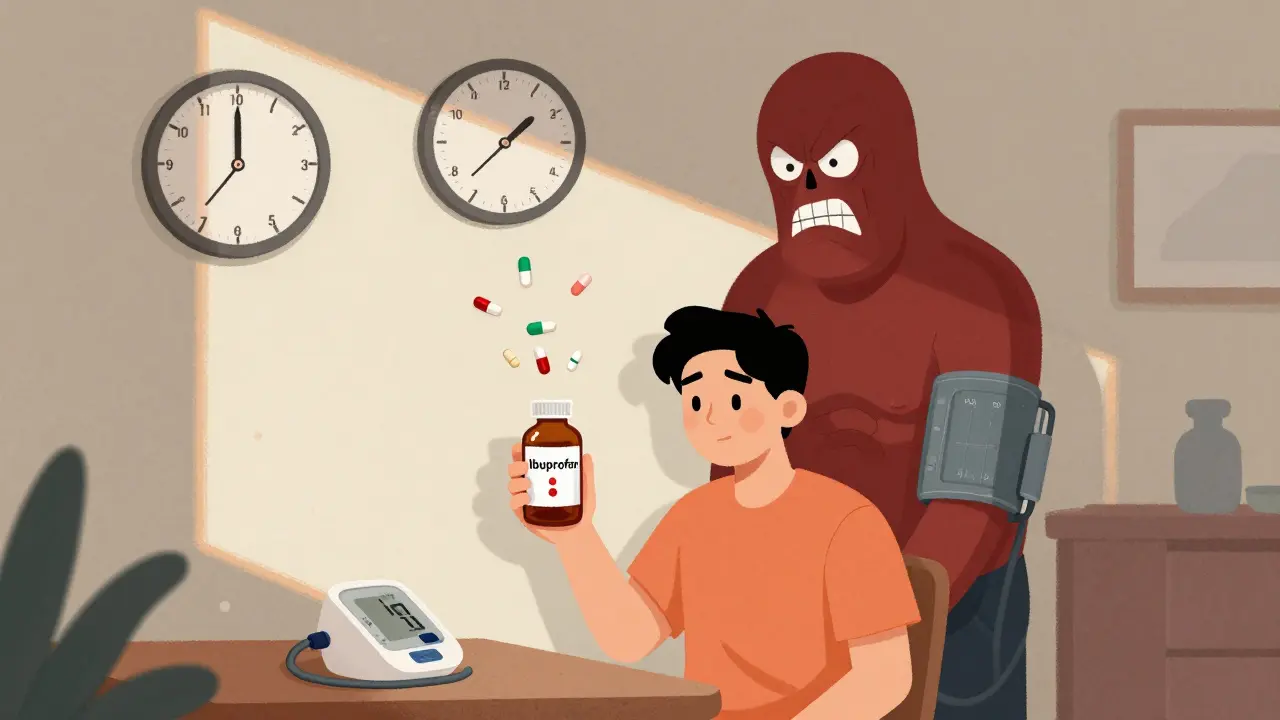
Many people don’t realize that the pills they take every day for pain, colds, or depression could be quietly raising their blood pressure. It’s not just about aging or diet - sometimes, the culprit is something as simple as ibuprofen, a decongestant, or even a steroid prescribed for arthritis. This isn’t rare. About 2-5% of all high blood pressure cases are directly caused by medications, and millions of Americans experience it every year without knowing why.
What Medications Actually Raise Blood Pressure?
It’s not just one or two drugs. Over 50 commonly used medications can push blood pressure up. Some are prescription, others are bought over the counter. The biggest offenders include:
- NSAIDs - like ibuprofen (Advil, Motrin) and naproxen (Aleve). Ibuprofen raises systolic blood pressure by 5-10 mm Hg in people who already have high blood pressure. That’s enough to push someone from controlled to uncontrolled.
- Corticosteroids - prednisone, dexamethasone. Even a short course of 20 mg/day can trigger hypertension in up to 50% of patients after four weeks. The body retains fluid, blood volume increases, and pressure climbs.
- Antidepressants - especially SNRIs like venlafaxine (Effexor). At doses above 150 mg/day, these can spike norepinephrine levels by 300-400%, tightening blood vessels and raising pressure.
- Decongestants - pseudoephedrine and phenylephrine. Found in cold and sinus meds, they cause immediate vasoconstriction. A single dose can raise systolic pressure by 5-10 mm Hg within an hour.
- ADHD stimulants - methylphenidate and amphetamine salts. Up to 25% of users develop higher blood pressure, especially with long-term use.
- Erythropoietin - used for anemia in kidney disease. Causes hypertension in 20-30% of patients, usually within weeks of starting.
- HIV meds - some antiretrovirals increase systolic pressure by 10-15 mm Hg after six months, especially in older adults.
What’s scary is that many of these are taken without a second thought. Someone with arthritis pops ibuprofen daily. Someone with a cold grabs pseudoephedrine. Someone with depression takes venlafaxine because it works - but no one ever checks their blood pressure after starting.
How These Drugs Actually Work to Raise Blood Pressure
It’s not magic. Each drug has a clear biological mechanism:
- NSAIDs block enzymes that help your kidneys remove sodium and water. Less sodium out = more fluid in your blood = higher pressure. Ibuprofen reduces kidney blood flow by 15-20% within two hours.
- Corticosteroids act like aldosterone - your body holds onto salt and loses potassium. A 30 mg/day dose of prednisone can increase plasma volume by 10% in just three days.
- Decongestants activate alpha-receptors in blood vessels, making them narrow. Pseudoephedrine increases vascular resistance by 25-30% in under an hour.
- Antidepressants like venlafaxine prevent the brain from reabsorbing norepinephrine. More of it floating around = more constricted arteries.
These aren’t side effects you can ignore. They’re direct, measurable physiological changes - the kind that show up on a blood pressure cuff, an echocardiogram, or an ambulatory monitor.
How to Monitor for Drug-Induced Hypertension
Monitoring isn’t optional - it’s essential. Here’s what works:
- Baseline check - Before starting any of these medications, get your blood pressure recorded. Write it down.
- Follow-up at 1-2 weeks - Especially for NSAIDs, steroids, or antidepressants. Blood pressure changes can happen fast.
- Home monitoring - Take readings twice daily for seven days after starting a new drug. Average the last six days. This gives a clearer picture than a single office visit.
- Ambulatory monitoring - If you’re on multiple BP-raising drugs, have kidney disease, or already have hypertension, a 24-hour monitor is the gold standard. It catches spikes you’d miss at the doctor’s office.
- Daily checks for steroid users - If you’re on prednisone, check your BP every day for the first month. Watch for orthostatic changes - if your pressure drops more than 20/10 mm Hg when you stand, that’s a red flag.
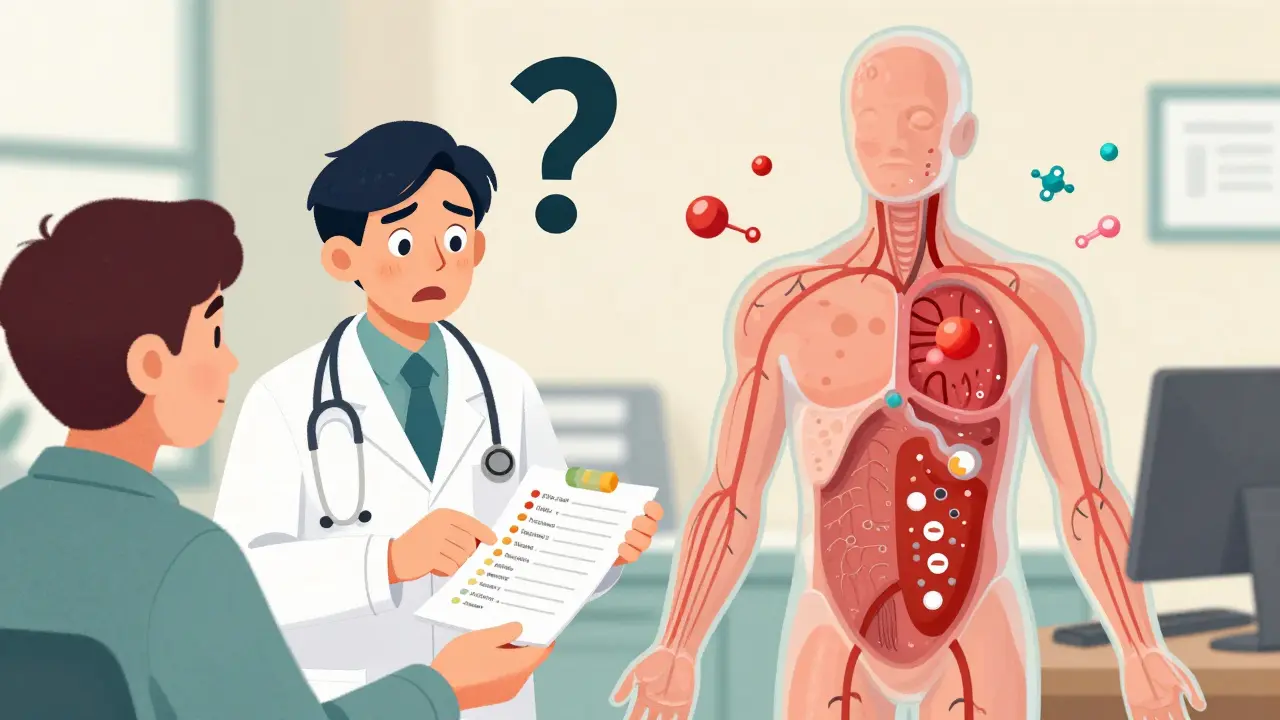
Many patients don’t know this. A 2023 survey found only 22% of primary care providers routinely ask about NSAID use in hypertensive patients. Don’t wait for your doctor to ask - bring it up yourself.
What to Do If Your Blood Pressure Rises
If your pressure climbs after starting a new medication, don’t panic - but don’t ignore it either. Here’s the step-by-step approach:
- Confirm the rise - Use home monitoring for a week. Is it consistent? Or just a one-off?
- Review your meds - List everything: prescriptions, OTCs, supplements, even herbal teas. St. John’s Wort? That’s a known BP-raiser.
- Talk to your provider - Ask: “Could this medication be causing my high blood pressure?”
- Try a switch - For pain, swap ibuprofen for acetaminophen (up to 3,000 mg/day) or celecoxib. Celecoxib raises BP by only 2.4 mm Hg on average - less than half of ibuprofen’s effect.
- Reduce the dose - Sometimes lowering the steroid dose from 40 mg to 10 mg/day brings pressure back down.
- Consider alternatives - For congestion, try saline sprays, humidifiers, or antihistamines like loratadine instead of pseudoephedrine.
Discontinuing the drug resolves hypertension in 60-70% of NSAID cases and 40-50% of decongestant cases within 2-4 weeks. That’s a huge win - and it doesn’t require a new pill.
When You Can’t Stop the Medication
Sometimes you can’t stop - like if you’re on prednisone for lupus or venlafaxine for severe depression. In those cases, you need to treat the high blood pressure directly.
Here’s what works best:
- Calcium channel blockers - Amlodipine is the top choice. It relaxes arteries and counters vasoconstriction. Response rate: 72%.
- Thiazide diuretics - Hydrochlorothiazide helps flush out excess fluid caused by steroids or NSAIDs. Often used in combination.
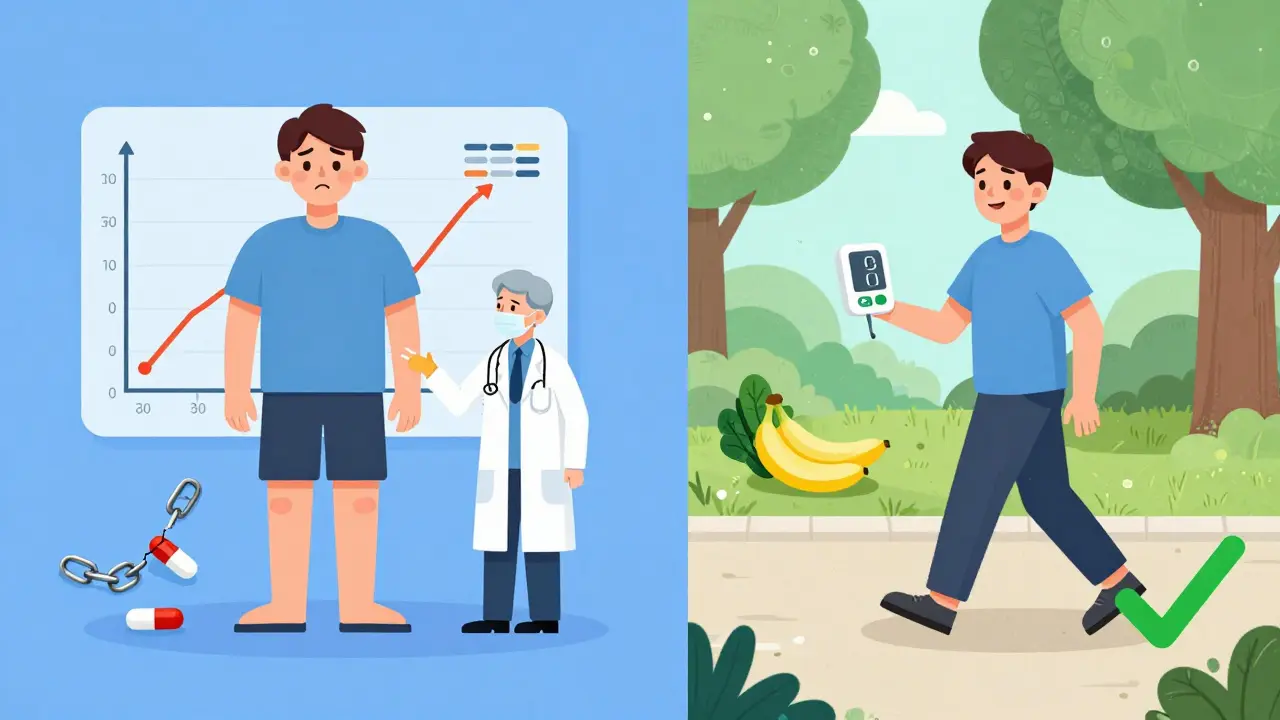
- Lifestyle changes - Cut sodium to under 1,500 mg/day. Get 2,500-3,500 mg of potassium from foods like bananas, spinach, and sweet potatoes. Walk 150 minutes a week. These can lower BP by 5-8 mm Hg.
What doesn’t work well? Beta-blockers. They’re not effective against vasoconstriction. Studies show only a 45% response rate compared to 72% for calcium channel blockers. Don’t waste time on something that won’t help.
Why This Gets Missed - And How to Fix It
Doctors aren’t ignoring you. They’re overwhelmed. A 2022 study found only 58% of physicians could correctly list all 12 high-risk medications. Most don’t think about OTC drugs. Patients don’t think to mention them.
Here’s what you can do:
- Bring a complete list of everything you take - including vitamins, supplements, and herbal products - to every appointment.
- Ask: “Could any of these be affecting my blood pressure?”
- If you’re on a long-term steroid or antidepressant, ask for a BP check every time you refill the prescription.
- Use the American Heart Association’s free Medication-Induced Hypertension Checklist (print it out and bring it).
One patient on Reddit shared: “My BP was 160/100 for months. My doctor said it was stress. I switched my sinus med to a non-decongestant version - three weeks later, it was 120/80. No new pills. Just stopping the wrong one.”
The Bigger Picture
This isn’t just about one person’s blood pressure. It’s about a system that overlooks drug interactions. The FDA now requires stronger warnings on NSAID labels. The European Medicines Agency updated corticosteroid guidelines in 2023. The American Heart Association is funding $8.5 million in research to build better prediction tools.
But change starts with you. If you’re on any of these medications, and your blood pressure has gone up recently - don’t assume it’s just aging. Don’t assume it’s your diet. Ask the question. Get checked. Your next BP reading could be your healthiest one yet.
Can over-the-counter painkillers like ibuprofen really raise blood pressure?
Yes. Ibuprofen (Advil, Motrin) can raise systolic blood pressure by 5-10 mm Hg in people with existing hypertension. In normotensive people, it may raise it by 3-5 mm Hg. This happens because it reduces kidney function and causes sodium retention. Regular use - even just a few days a week - can lead to clinically significant increases. Naproxen (Aleve) has a milder effect, but ibuprofen is the most common culprit.
How long does it take for blood pressure to return to normal after stopping a medication that causes hypertension?
It varies by drug. For NSAIDs and decongestants, blood pressure usually drops within 2-4 weeks after stopping. For corticosteroids, it can take 4-8 weeks as the body readjusts fluid balance. Antidepressants like venlafaxine may take up to 6 weeks for full normalization. Consistent home monitoring during this time helps track progress.
Is it safe to stop a medication like prednisone if it’s raising my blood pressure?
Never stop corticosteroids like prednisone abruptly - that can cause adrenal crisis. If your blood pressure is rising, talk to your doctor about tapering the dose gradually. In many cases, lowering the dose from 40 mg to 10 mg/day can reduce BP significantly without losing therapeutic benefit. Always work with your provider to find a safe balance.
Can herbal supplements like St. John’s Wort cause high blood pressure?
Yes. St. John’s Wort, often taken for mild depression, can increase blood pressure by interacting with neurotransmitters and increasing sympathetic activity. It’s also known to interfere with many medications, including blood pressure drugs. Many patients don’t realize it’s a risk - and doctors often don’t ask about herbal supplements. Always disclose everything you take.
Why aren’t beta-blockers recommended for drug-induced hypertension?
Beta-blockers slow the heart rate but don’t address the main problem in drug-induced hypertension: vasoconstriction and fluid retention. Studies show they only lower BP in about 45% of cases. Calcium channel blockers and diuretics work better because they directly relax arteries or flush out excess fluid - the root causes of the rise. Using beta-blockers here is like putting a bandage on a broken pipe.
Should I use a home blood pressure monitor if I’m on a medication that raises BP?
Absolutely. Office visits only give a snapshot. Home monitoring gives you a real picture - especially after starting or changing a medication. Take two readings in the morning and two at night, for seven days. Average the last six days’ readings. This is the gold standard for detecting drug-induced changes. Most insurance plans cover the cost of a monitor if your doctor prescribes it.
Are there any safe pain relievers for people with high blood pressure?
Acetaminophen (Tylenol) is the safest OTC option - up to 3,000 mg per day. Celecoxib (Celebrex), a COX-2 inhibitor, is also a better choice than ibuprofen or naproxen, raising BP by only about 2.4 mm Hg on average. Avoid NSAIDs like ibuprofen, naproxen, and diclofenac if you have hypertension. Always check with your doctor before switching pain meds.
Can I prevent drug-induced hypertension before it starts?
Yes. Before starting any new medication - even a short-term one - ask your doctor: “Could this raise my blood pressure?” Get a baseline reading. If you’re already hypertensive, ask for a plan: How often should I check my BP? Should I switch to a safer alternative? Prevention is easier than reversing damage.
Daniel Pate
January 11, 2026 AT 19:04It's wild how we treat meds like candy. You pop an ibuprofen like it's a gummy bear, but it's literally reshaping your vascular biology. The kidney mechanism is the real kicker-blocking those enzymes doesn't just reduce pain, it reduces your body's ability to flush sodium. That’s not a side effect, that’s a physiological takeover. And nobody talks about how long-term low-dose use builds up silently. I’ve seen people on daily Advil for years, then suddenly have a stroke at 52. No one connects the dots until it’s too late.
Rebekah Cobbson
January 12, 2026 AT 02:59This is such an important post. I’m a nurse and I see this all the time-patients on prednisone for asthma or arthritis, never told to check BP. One lady came in with 180/110 and had no symptoms. Turns out she’d been on 20mg daily for 6 weeks. We got her off it, switched to a safer anti-inflammatory, and her numbers dropped to 128/80 in 3 weeks. Don’t ignore the small pills. They’re not small risks.
Prachi Chauhan
January 12, 2026 AT 03:09so like if you take ibuprofen for your knee and you got high bp already then its like adding fuel to fire right? i mean why even give it to people who already have the problem? its like giving sugar to a diabetic. and why dont doctors just say this upfront? they just say 'take this' and dont say 'this might kill you slowly'. its so messed up.
Katherine Carlock
January 12, 2026 AT 12:21Thank you for writing this. I’ve been on venlafaxine for 3 years and my BP went from 118/76 to 142/92. My doctor said 'it’s stress' but I knew something was off. I tracked it for a week, brought the log, and we switched to sertraline. My numbers are back to normal. You’re not crazy for noticing. Trust your body. And please, if you’re on any of these meds, start monitoring. You don’t need a fancy device-any $30 cuff works. Just do it.
Sona Chandra
January 14, 2026 AT 01:56OMG I JUST REALIZED I’VE BEEN TAKING PSEUDOEPHEDRINE EVERY TIME I HAVE A COLD FOR 5 YEARS. MY BP WAS 150/95 LAST MONTH AND I THOUGHT IT WAS JUST ME GETTING OLD. I’M GOING TO THROW OUT ALL MY COLD MEDS TOMORROW. THIS POST CHANGED MY LIFE. THANK YOU.
Jennifer Phelps
January 14, 2026 AT 20:59acetaminophen is fine up to 3000mg a day but dont go over cause liver damage real fast also celecoxib is better than ibuprofen but still not perfect i know someone who got ulcers from it so its all tradeoffs really
beth cordell
January 15, 2026 AT 08:11👏 this is the kind of post that should be mandatory reading before you get any prescription. i’m sending this to my mom who’s on prednisone and my brother who takes ibuprofen like water. 🌿💧 #KnowYourMeds #BPawareness
Lauren Warner
January 15, 2026 AT 17:07Let’s be real-this isn’t about patient awareness. It’s about pharma making billions off drugs that cause the very conditions they’re supposed to treat. NSAIDs? $15 billion market. Steroids? $10 billion. And they bury the warnings in tiny print. Doctors don’t care because they’re paid to prescribe, not to educate. You think your doctor is looking out for you? They’re looking at their quota. This system is broken. And you’re just a number in a chart.