
Antibiotic-Alcohol Interaction Checker
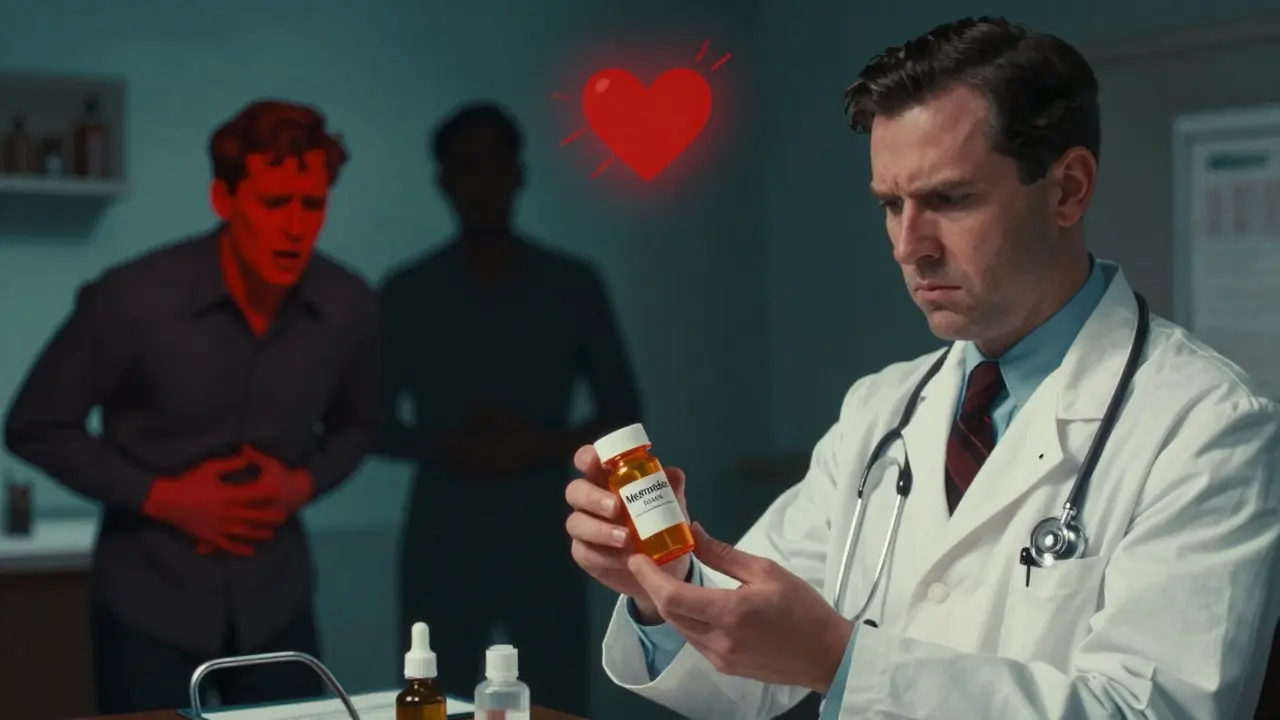
You’ve probably heard the warning before. You pick up a prescription for Metronidazole, a widely used nitroimidazole antibiotic effective against anaerobic bacteria and certain parasites, and the pharmacist gives you a stern look. "No alcohol," they say. "Not while you’re taking it, and not for three days after." The reason? A terrifying-sounding side effect called a disulfiram-like reaction, a severe physiological response characterized by flushing, nausea, and vomiting caused by the accumulation of toxic alcohol metabolites. It sounds like something out of a medical thriller: facial flushing, violent vomiting, racing heart, and dangerously low blood pressure.
But here is the twist that might surprise you: modern science suggests this warning might be based on a myth that has persisted for over sixty years. Recent high-quality studies are challenging the long-held belief that metronidazole and alcohol mix to create this dangerous reaction. So, what is actually happening in your body when you combine these two substances? And should you still avoid that glass of wine while treating an infection?
The Origin of the Warning: A Single Case Study
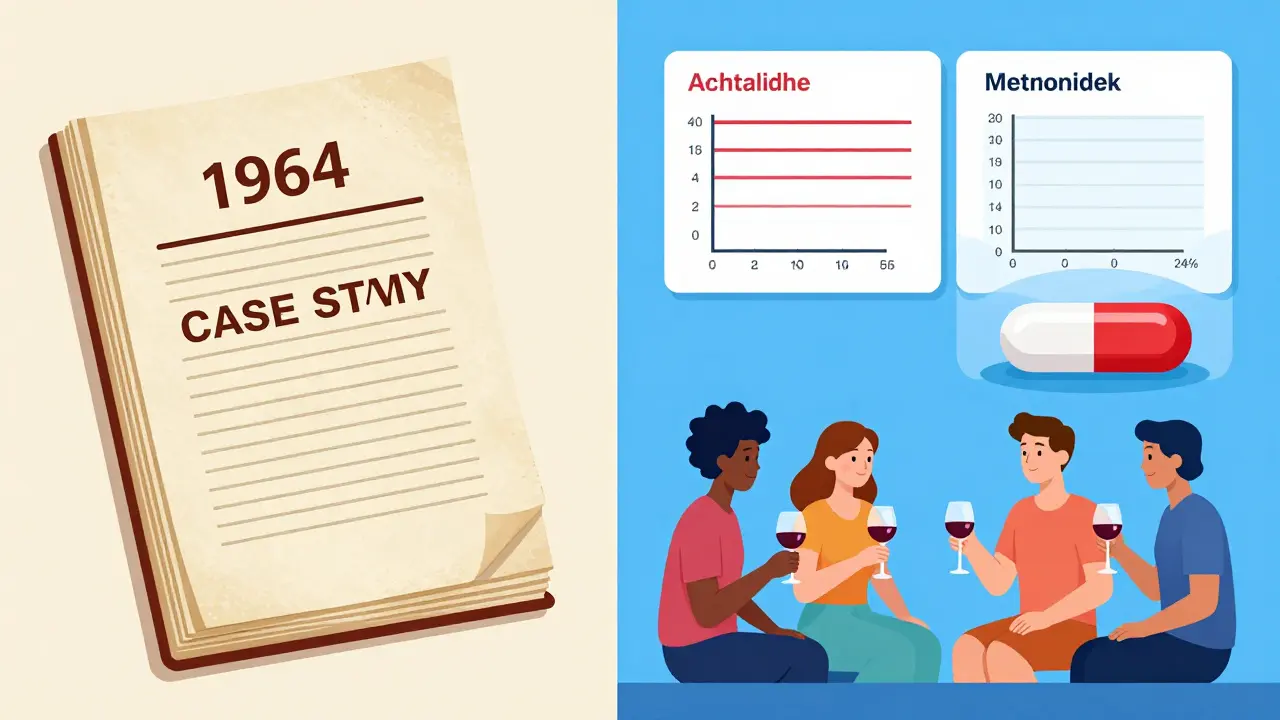
To understand why this warning is so deeply ingrained in medical practice, we have to look back at where it started. The fear of the metronidazole-alcohol interaction traces its roots to a single observational study published in 1964 by Dr. Saldivar. In this report, one patient experienced reduced alcohol cravings and symptoms resembling a disulfiram reaction while taking metronidazole.
This single case report sparked decades of clinical caution. For generations, medical textbooks taught that metronidazole works similarly to Disulfiram, a medication known as Antabuse used to treat chronic alcoholism by causing unpleasant effects when alcohol is consumed. Disulfiram, approved in 1951, works by blocking an enzyme called aldehyde dehydrogenase (ALDH). When ALDH is blocked, your body cannot break down acetaldehyde-a toxic byproduct of alcohol metabolism-causing it to build up in your bloodstream. This buildup causes the awful symptoms associated with the reaction.
The assumption was that metronidazole did the exact same thing. But assumptions aren’t facts, and as research methods improved, scientists began to question whether this mechanism actually applied to metronidazole.
What the New Science Says: No Evidence of Enzyme Inhibition
If metronidazole truly caused a disulfiram-like reaction, we would expect to see measurable increases in blood acetaldehyde levels when patients drink alcohol while on the drug. However, controlled studies have consistently failed to show this.
A pivotal double-blind, placebo-controlled study involving twelve participants found no difference in aldehyde dehydrogenase levels between those taking metronidazole and those taking a placebo. More importantly, zero participants in the metronidazole group experienced a disulfiram-like reaction. This aligns with a broader trend in pharmacological research. A comprehensive review published in the Journal of Clinical Pharmacy and Therapeutics in 2020 analyzed seventeen controlled studies examining this specific interaction. Fifteen of those seventeen studies found no evidence of increased acetaldehyde or heightened reaction symptoms.
The most significant recent data comes from a large retrospective case-control study published in the Wisconsin Medical Journal (WMJ) in 2023. Researchers Feldman and Jaszczenski analyzed records from 1,010 emergency department patients over a ten-year period. They compared patients who had taken metronidazole and had detectable ethanol in their blood against a control group with similar demographics and alcohol levels but no metronidazole exposure. The results were strikingly clear: the rate of disulfiram-like reactions was identical in both groups-1.98% versus 1.98%. The p-value of 1.00 indicates no statistical difference whatsoever. Essentially, drinking alcohol while on metronidazole was no more likely to cause these symptoms than drinking alcohol alone.
The Serotonin Hypothesis: A Different Mechanism?
If metronidazole doesn’t block ALDH, why do some people still report feeling sick when they mix the two? Researchers at Aristotle University of Thessaloniki, led by Karamanakos et al., proposed a fascinating alternative explanation in a 2024 commentary. Their animal studies showed that while metronidazole does not inhibit liver enzymes or raise blood acetaldehyde, it does significantly increase serotonin levels in the brain.
Both metronidazole and ethanol can enhance central serotonin activity. When combined, this could potentially lead to a mild form of serotonin syndrome, which shares symptoms with the disulfiram reaction, such as nausea, flushing, and agitation. This theory helps reconcile the historical case reports with the negative biochemical data. It suggests that the discomfort some patients feel isn’t due to toxic alcohol buildup, but rather a neurological overlap involving neurotransmitters.
Comparing Metronidazole to True Disulfiram-Like Agents
It is important to distinguish metronidazole from other medications that genuinely carry a high risk of disulfiram-like reactions. Not all antibiotics behave the same way. Some drugs, particularly certain cephalosporins and related nitroimidazoles, have proven mechanisms for inhibiting ALDH.
| Antibiotic Class/Drug | Mechanism Confirmed? | Acetaldehyde Increase | Reaction Risk Level |
|---|---|---|---|
| Tinidazole | Yes | 4-7 fold | High (Documented) |
| Cefoperazone | Yes | 3-5 fold | High (Documented) |
| Cefotetan | Yes | 3-5 fold | High (Documented) |
| Metronidazole | No (Debated) | None detected in blood | Low/Theoretical |
Tinidazole, a close relative of metronidazole, has strong evidence supporting true disulfiram-like reactions, with human studies showing significant spikes in blood acetaldehyde. If you are prescribed tinidazole, avoiding alcohol is non-negotiable. But for metronidazole, the biochemical evidence simply isn’t there.
Why Do Doctors Still Warn Patients?
If the science says it’s safe, why does your doctor still tell you to abstain? The answer lies in medical conservatism, liability, and the sheer inertia of tradition. The FDA-approved labeling for metronidazole, revised as recently as November 2022, still states that patients should be cautioned against alcoholic beverage consumption. Regulatory bodies often move slower than scientific discovery.
Furthermore, a survey of clinicians revealed that 89% continue to advise alcohol avoidance despite being aware of contradictory evidence. Many cite medicolegal concerns; if a patient feels ill and sues, the defense of "we warned them" is easier than explaining complex pharmacokinetics. Additionally, individual variability exists. While the average patient may not react, anecdotal reports persist. On Reddit’s r/medicine forum, while the majority of clinicians reported never witnessing a reaction, a minority did. These outliers keep the warning alive.
There is also the issue of incidental alcohol exposure. A 2019 case report described a seven-year-old child developing vomiting and flushing after receiving metronidazole oral suspension alongside a cough syrup containing 7% ethanol. This highlights that "alcohol" isn’t just beer and wine; it’s in many liquid medications, mouthwashes, and even some foods. The warning serves as a blanket precaution to catch these hidden sources.

Practical Advice: What Should You Do?
So, where does this leave you? The landscape is shifting, but caution remains the standard advice for now. Here is how to navigate the decision:
- Follow Your Prescriber’s Instructions: Unless your doctor explicitly tells you otherwise, assume the traditional rule applies. They know your specific health history and risk factors.
- Consider the Severity: For minor infections, the peace of mind from avoiding alcohol may outweigh the negligible risk of a reaction. For serious conditions requiring strict adherence, unnecessary anxiety about alcohol might distract from recovery.
- Watch for Hidden Alcohol: Be mindful of liquid cold medicines, antiseptic mouthwashes, and vanilla extracts in cooking. These contain enough ethanol to theoretically trigger any sensitivity, even if the reaction isn’t strictly disulfiram-like.
- Listen to Your Body: If you do consume alcohol and experience severe flushing, rapid heartbeat, or vomiting, stop immediately and seek medical attention. While rare, individual sensitivities exist.
- Alternative Options: If you have a known sensitivity or heavy alcohol use disorder, discuss alternatives like clindamycin with your provider. This removes the variable entirely.
The Institute for Safe Medication Practices (ISMP) rates the metronidazole-alcohol interaction as "Category C: Possible interaction with limited evidence." This middle-ground classification reflects the current consensus: it’s not proven, but it’s not disproven enough to remove the warning label entirely.
The Future of This Guideline
We are likely approaching a paradigm shift. The Infectious Diseases Society of America is conducting a systematic review expected in late 2024 to reassess all antimicrobial-alcohol interactions. Meanwhile, researchers at the University of Wisconsin are running prospective trials measuring serum acetaldehyde levels directly during controlled alcohol challenges with metronidazole.
Historical precedents suggest that changing medical dogma takes time. Similar shifts occurred with hormone replacement therapy guidelines, where widespread warnings persisted for years despite accumulating evidence to the contrary. It may take five to seven years for the "no alcohol" rule to be officially removed from metronidazole packaging and standard protocols. Until then, the warning remains a protective measure rooted in history, even if the biology no longer supports it.
How long after stopping metronidazole should I wait to drink alcohol?
Traditionally, doctors recommend waiting 72 hours (three days) after your last dose. This is based on the drug's half-life of approximately 8 hours, meaning it takes about 48 hours for the drug to fully leave your system. However, given the new evidence suggesting no true disulfiram-like reaction occurs, some experts argue this wait time may be unnecessary. Always follow your specific prescriber's advice.
Does metronidazole interact with beer or wine differently?
No. The potential interaction (or lack thereof) depends on the presence of ethanol, regardless of the source. Beer, wine, and spirits all contain ethanol. The type of alcoholic beverage does not change the metabolic pathway involved in the debated reaction.
Are there other antibiotics that definitely cause disulfiram-like reactions?
Yes. Antibiotics like tinidazole, cefoperazone, and cefotetan have confirmed mechanisms for inhibiting aldehyde dehydrogenase. These drugs can cause significant increases in blood acetaldehyde levels when mixed with alcohol, leading to genuine disulfiram-like reactions. Avoiding alcohol with these medications is critical.
Can I take metronidazole if I have alcohol use disorder?
Yes, metronidazole is generally considered safe for patients with alcohol use disorder. In fact, some older studies suggested it might reduce alcohol cravings. However, because of the historical warnings and potential for nausea (which could be mistaken for withdrawal or reaction), doctors may choose alternative antibiotics like clindamycin to avoid confusion and ensure patient comfort.
Why do some people still get sick when mixing metronidazole and alcohol?
If symptoms occur, they may be due to several factors: the natural side effects of alcohol itself (nausea, headache), the side effects of metronidazole (metallic taste, stomach upset), or a potential serotonin-mediated effect where both substances increase serotonin activity. It is less likely to be a true toxic buildup of acetaldehyde.