
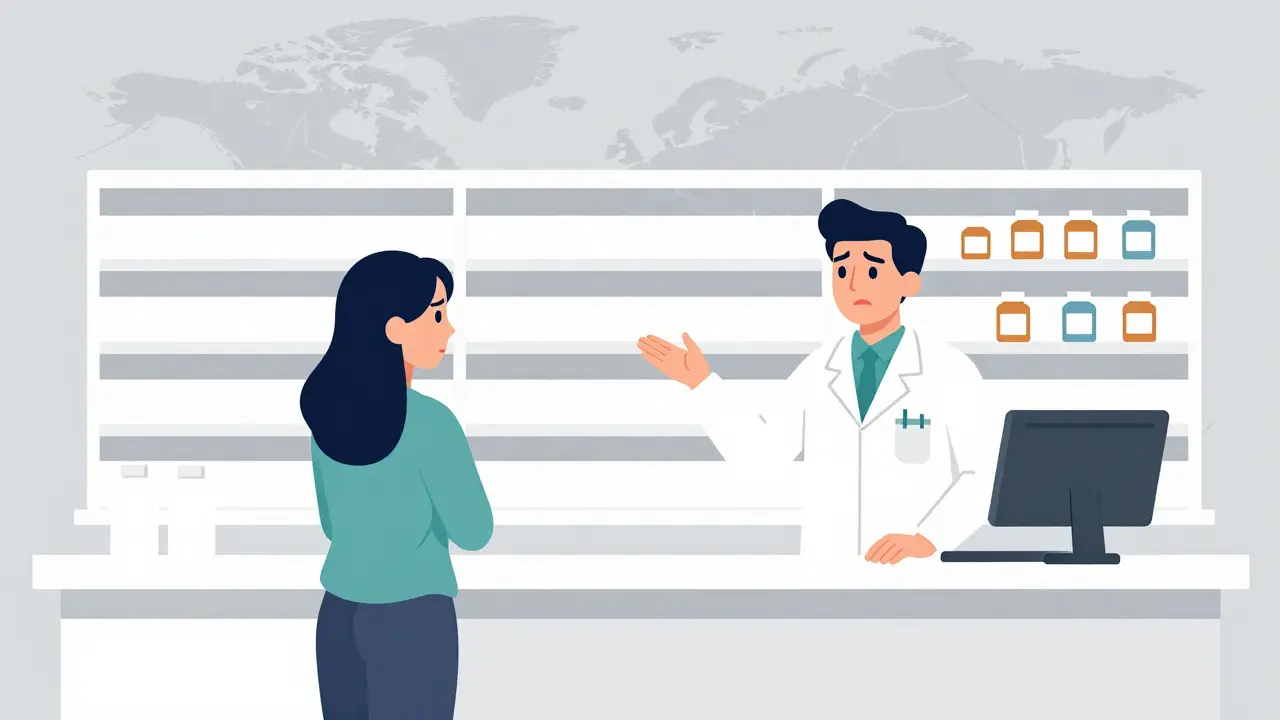
Imagine walking into your local pharmacy to pick up a prescription for a life-saving medication, only to be told it’s out of stock. No estimated return date. Just empty shelves and frustration. This isn’t a rare glitch anymore; it is the new normal for millions of patients. The global pharmaceutical supply chain is a complex network responsible for sourcing, manufacturing, and distributing medications worldwide has been exposed as fragile, relying heavily on distant suppliers and lean inventory models that break under pressure.
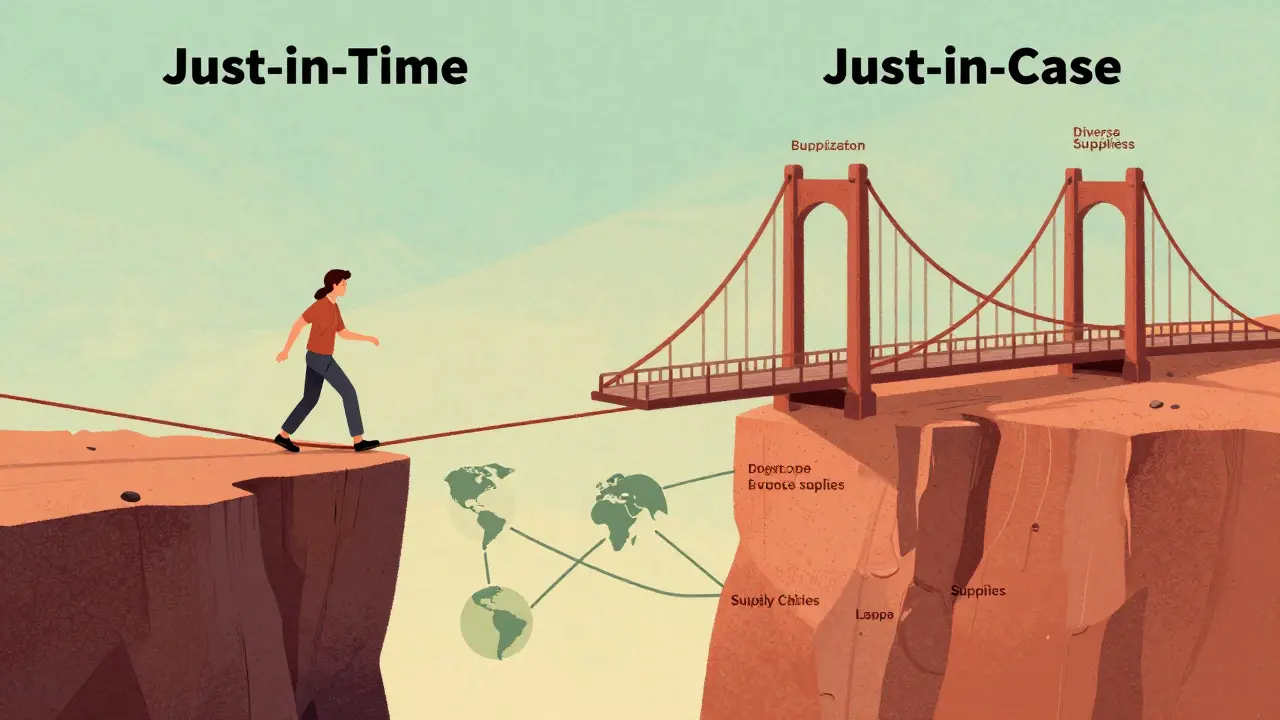
The goal now isn't just to react to these shortages but to prevent them entirely. We are shifting from a "just-in-time" model to a "just-in-case" strategy. This means building systems that can anticipate disruptions, absorb shocks, and keep critical medicines flowing even when geopolitical tensions rise or natural disasters strike. Let's look at how we can actually build this resilience, starting with understanding where the cracks are forming.
Understanding the Vulnerability: Why Shortages Happen
To fix the problem, we first have to admit how deep the dependency goes. The United States, for example, manufactures only a fraction of the drugs its citizens consume. According to data from the Food and Drug Administration (FDA), approximately 80% of active pharmaceutical ingredients (APIs) and 40% of finished drug products in the U.S. are made overseas. China and India account for roughly 68% of global API production. When you rely on two countries for nearly two-thirds of your raw materials, any disruption-a trade tariff, a pandemic lockdown, or a political dispute-immediately threatens domestic health security.
This isn't just about pills. It’s about sterile injectables and antibiotics, categories where domestic production sits at alarming lows. The API Center reported in 2025 that the U.S. produces only 12% of sterile injectables and 17% of antibiotics domestically. These aren't minor inconveniences; they are critical care items. When a hospital runs out of heparin or certain antibiotics, patient outcomes suffer directly. Recognizing these specific gaps is the first step in preventive planning.
| Component Category | Primary Overseas Sources | U.S. Domestic Production Share | Risk Level |
|---|---|---|---|
| Active Pharmaceutical Ingredients (APIs) | China, India | 28% | Critical |
| Sterile Injectables | India, Ireland | 12% | High |
| Antibiotics | China, Germany | 17% | High |
| Finished Dosage Forms | Global Mix | 60% | Moderate |
Strategic Diversification: Beyond Single Sourcing
The most effective preventive measure is diversifying where you get your materials. Relying on a single supplier in a single region is a recipe for disaster. Leading pharmaceutical companies are now mapping their supply chains across 12 to 15 tiers of suppliers. This deep visibility allows them to spot risks before they become crises. For instance, if a primary API supplier in China faces regulatory hurdles, a diversified company already has a qualified secondary supplier in Europe or North America ready to scale up.
Dual-sourcing is becoming the standard for critical components. Industry analysis suggests maintaining dual sources for 70-80% of high-risk materials. This doesn't mean splitting orders evenly all the time; it means keeping the second source warm and validated. Yes, this costs more. Dr. Jane Smith from MIT notes that resilient networks accept 10-15% higher operational costs in exchange for a 50-70% reduction in disruption risk. That trade-off is worth it when the alternative is a total shutdown.
Technological Levers: Continuous Manufacturing and AI
Technology offers a way to make supply chains faster and less dependent on massive, rigid facilities. Traditional batch manufacturing requires large plants that take 3-5 years to build. Continuous manufacturing is a modern production method where materials move continuously through equipment without stopping, allowing for real-time quality control, however, uses modular systems that can be deployed in 12-18 months. These smaller footprints reduce energy consumption by 20-25% and cut material waste by 15-20%. More importantly, they allow production to be located closer to where patients need the drugs, reducing transit times and logistics vulnerabilities.
Artificial intelligence is another game-changer. AI-enabled process optimization tools can improve yield rates by 18-22% and predict quality deviations weeks in advance. Predictive analytics can forecast disruption risks with 85-90% accuracy up to 90 days ahead. Imagine knowing a port strike will delay your raw materials three months before it happens. You can adjust production schedules or switch suppliers proactively. This shifts the industry from reactive firefighting to proactive prevention.
Policy and Strategic Reserves: The Government Role
Private sector efforts alone aren't enough. Governments play a crucial role in stabilizing the market. In August 2025, executive actions were taken to create a Strategic Active Pharmaceutical Ingredients Reserve. The goal? To maintain a 90-day supply coverage for 150 essential medicines by 2027. This acts as a buffer during acute shortages, giving manufacturers time to ramp up production without panic buying driving prices sky-high.
Financial incentives are also key. The CHIPS and Science Act allocated $1.2 billion for pharmaceutical manufacturing infrastructure, with additional funds proposed in 2025 budgets. These investments help offset the high capital requirements of new technologies like continuous manufacturing, which can cost $50-150 million per facility. Without government support, many companies would struggle to justify the upfront investment despite long-term benefits.

Implementation Roadmap: From Assessment to Action
Building resilience isn't a one-time project; it's an ongoing discipline. A practical implementation follows four phases:
- Vulnerability Assessment (3-6 months): Map every tier of your supply chain. Identify single points of failure. Use data integration platforms to reduce vulnerability identification time from 45 days to just 7.
- Strategic Scenario Planning (2-4 months): Run simulations. What happens if a key port closes? If a supplier goes bankrupt? Train teams using these scenarios to improve response effectiveness by 35-45%.
- Investment Prioritization (1-3 months): Allocate budget wisely. Top performers invest 8-10% of their annual supply chain budget into resilience initiatives. Focus on dual-sourcing contracts and technology upgrades.
- Cross-Functional Execution (Ongoing): Break down silos. Supply chain, procurement, and quality assurance must work together. Cross-functional alignment can reduce decision-making time during disruptions by 40-60%.
Success depends on executive sponsorship. Companies with strong leadership backing see 3.2x higher implementation success rates. It’s not just an IT or logistics issue; it’s a core business strategy.
The Cost of Resilience vs. The Cost of Failure
Critics often argue that resilient supply chains are too expensive. They point to the 8-12% increase in cost of goods sold associated with these measures. But let’s look at the other side. ZS Associates found that companies with comprehensive resilience strategies avoided approximately $14.7 million in revenue losses per major disruption event. That’s a 1.8x return on investment within 36 months. When you factor in brand reputation, patient trust, and regulatory penalties, the math clearly favors resilience.
We are moving away from the era of ultra-cheap, globally optimized supply chains. The future belongs to regionally balanced, transparent, and agile networks. By embracing diversity in sourcing, leveraging advanced manufacturing technologies, and collaborating with policymakers, the pharmaceutical industry can ensure that no patient ever has to face an empty shelf again.
What is the biggest threat to pharmaceutical supply chains today?
The biggest threat is over-reliance on a limited number of foreign suppliers for active pharmaceutical ingredients (APIs). With China and India producing 68% of APIs, geopolitical tensions, trade policies, and regional disruptions can quickly lead to widespread drug shortages.
How does continuous manufacturing improve supply chain resilience?
Continuous manufacturing allows for smaller, modular facilities that can be built in 12-18 months instead of 3-5 years. This flexibility enables production to be located closer to markets, reduces waste, and makes it easier to scale up or down based on demand without massive infrastructure changes.
Is it feasible to bring all pharmaceutical manufacturing back to the U.S.?
Experts caution that fully onshoring all aspects is infeasible and potentially counterproductive. A balanced approach is better: maintaining strategic domestic capacity for critical medicines while leveraging diverse global networks for non-critical components to avoid creating new single-source vulnerabilities.
What role does AI play in preventing drug shortages?
AI-powered predictive analytics can forecast supply chain disruptions with 85-90% accuracy up to 90 days in advance. This allows companies to adjust production, switch suppliers, or secure buffer stock before a shortage occurs, shifting from reactive to proactive management.
How much should pharmaceutical companies invest in supply chain resilience?
Leading companies allocate 5-7% of their annual supply chain budgets to resilience initiatives, with top performers investing 8-10%. This investment typically yields a 1.8x return within three years by avoiding costly disruption-related losses.