
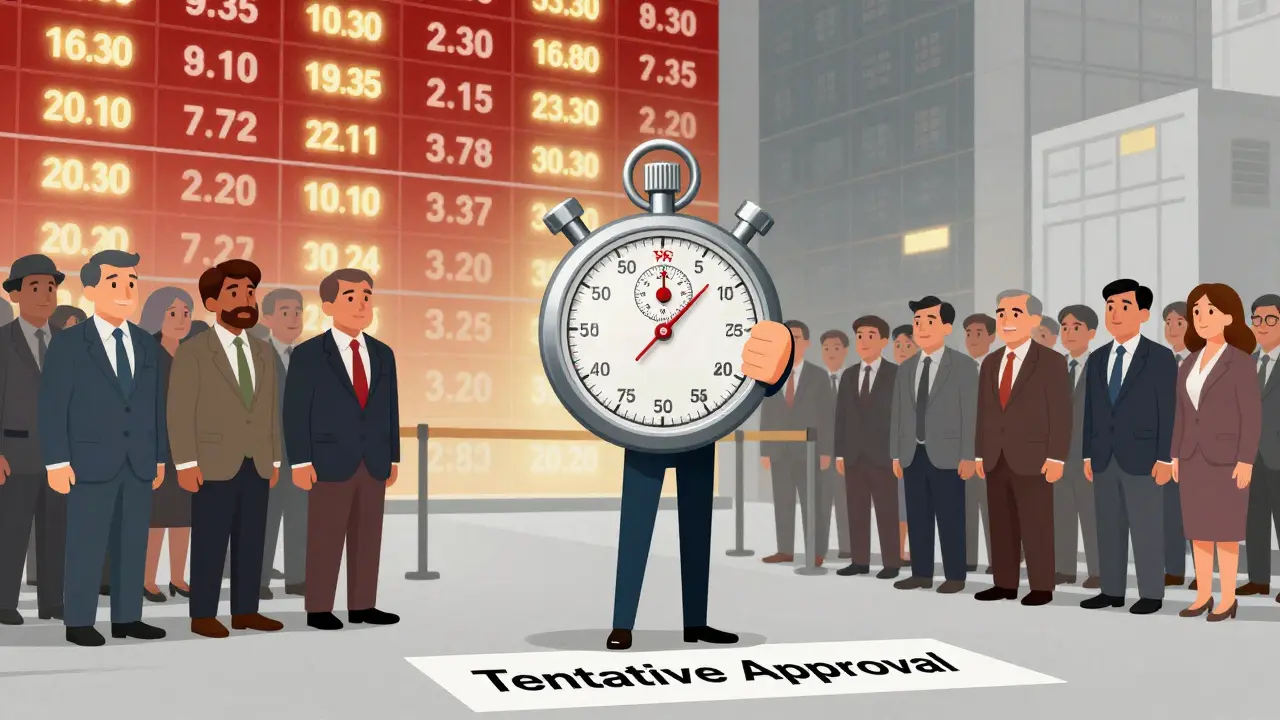
When a generic drug company gets a letter from the FDA saying their application is tentatively approved, it’s not a celebration - it’s a countdown. You’ve cleared every scientific hurdle. Your chemistry, your labeling, your manufacturing site? All approved. But you can’t sell the drug. Not yet. Why? Because someone else still holds a patent, or an exclusivity period hasn’t expired. This isn’t a rejection. It’s a pause. And in the U.S. generic drug market, this pause is where the real battle begins.
What Tentative Approval Really Means
Tentative approval isn’t a loophole. It’s a deliberate part of the system created by the Hatch-Waxman Act of 1984. The law was designed to balance two things: protecting innovation and getting affordable drugs to patients faster. The FDA gives tentative approval when an Abbreviated New Drug Application (ANDA) meets all technical standards - but legal barriers block final approval. Think of it like getting your driver’s license approved, but being told you can’t drive until your neighbor’s parking spot becomes available. The FDA doesn’t delay approval because your drug is flawed. It delays because the branded drug’s patent hasn’t expired, or there’s a pediatric exclusivity extension still active. In 2023, the FDA issued about 1,000 tentative approvals. That’s not rare. It’s routine. For generic companies, it’s a strategic milestone. It means you’re in line. Your spot is secured. But you’re still waiting.The Litigation Gamble: Paragraph IV Certifications
Here’s where things get intense. Most companies seeking tentative approval also file a Paragraph IV certification. That’s a legal challenge. You’re telling the FDA and the patent holder: “Your patent is invalid, or we don’t infringe it.” This triggers a lawsuit. The brand-name company has 45 days to sue. If they do, the FDA is legally required to hold off on final approval for up to 30 months - unless you win in court first. This is the high-stakes game. If you win, you get 180 days of market exclusivity as the first generic. That’s a goldmine. One drug, one company, no competition for half a year. Market share can hit 80%. But if you lose? You’re back to square one. And you’ve spent millions on legal fees. Companies like Lupin Limited used this strategy perfectly in 2018. Their generic version of Cialis got tentative approval. They filed a Paragraph IV challenge. When the patent expired, they converted to final approval within 24 hours. They captured 42% of the market in the first month. That’s the dream. But dreams turn into nightmares fast. Aurobindo Pharma filed a similar challenge for Jardiance in 2021. They got tentative approval. But they changed their manufacturing site and didn’t properly document it. When the patent expired, the FDA paused final approval for four months. They lost an estimated $150 million in revenue. One paperwork error. That’s the cost of complacency.The Waiting Game Is Not Passive
Too many companies think tentative approval means they can relax. They can’t. The FDA requires proactive management. If you want final approval the day the patent expires, you must submit your request at least three months in advance for minor changes. For major changes - like switching suppliers or updating a manufacturing process - you need to file ten months ahead if your application has been tentatively approved for over three years. That’s not advice. That’s a rule. And the FDA enforces it strictly. According to Evaluate Pharma’s 2022 analysis, 15% of tentatively approved applications faced delays because companies missed these deadlines. One company thought their patent expired in June. It didn’t. There was a six-month pediatric exclusivity extension they didn’t account for. Their drug sat on the shelf for half a year after the patent was supposed to expire. You need a tracker. Not a spreadsheet. A live system that syncs your legal team’s patent expiration dates with your regulatory team’s submission deadlines. One team handles the lawsuit. The other handles the FDA. If they’re not talking, you’re losing time.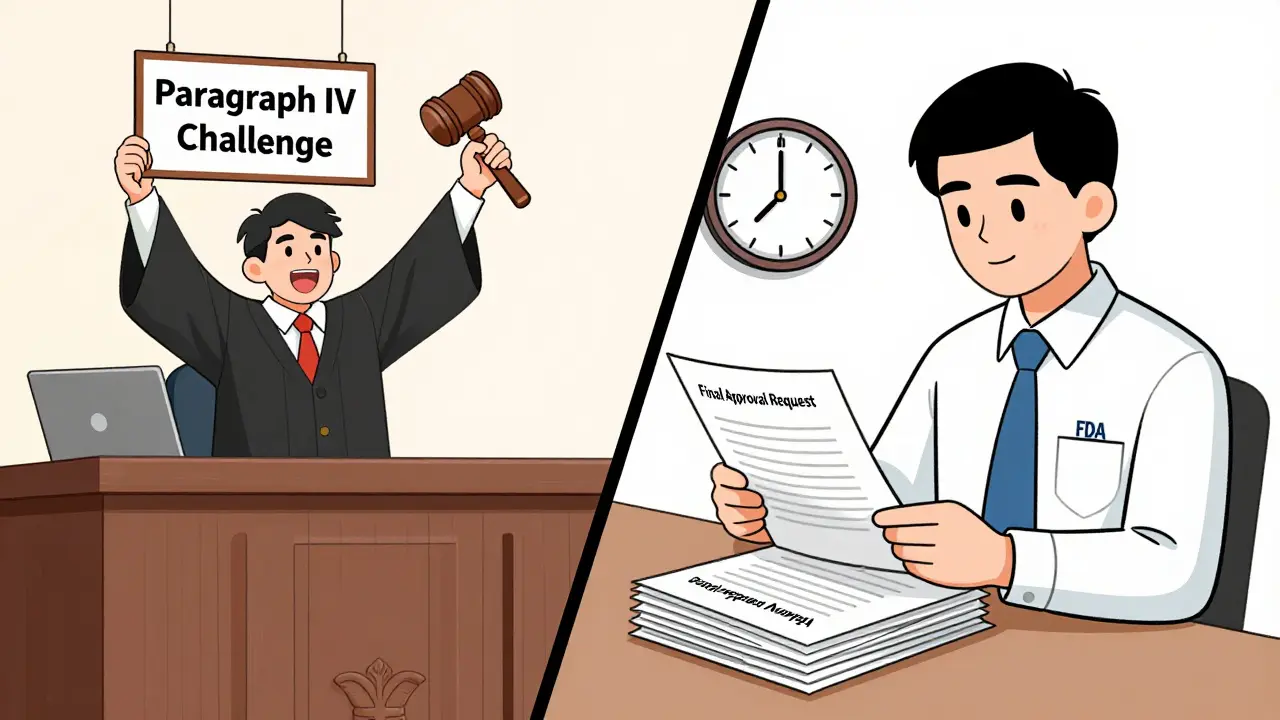
Why Timing Is Everything
The clock doesn’t stop when the patent expires. The FDA still needs to review your final approval request. Even if you file on day one after expiration, it can take 30 to 90 days for them to process it. That’s why the new GDUFA III rules in May 2023 cut review times for minor amendments from 90 days to 30. But if your amendment is deemed “major,” you’re back to the old timeline. What counts as major? Changing the drug’s active ingredient source. Switching from a U.S.-based to an overseas facility. Adding a new strength. Even minor label changes can be flagged if they weren’t pre-approved. Teva Pharmaceuticals learned this the hard way with their Januvia generic. They submitted their final approval request exactly 90 days before the patent expired. They got the green light on day one. No delay. No loss. Why? Because they didn’t wait. They planned.What Happens If You Don’t Get It Right?
The risks aren’t just financial. They’re reputational. If your drug is delayed because of sloppy documentation, the FDA flags you. Future applications get extra scrutiny. Manufacturers with a history of delays face longer inspections. Your credibility erodes. In 2022, 27% of delayed final approvals were due to cGMP (current good manufacturing practice) issues. Your facility passed inspection when you got tentative approval. But if you didn’t maintain compliance during the waiting period - if you had a minor equipment failure, a supplier issue, a documentation gap - the FDA can hold your approval hostage. No second chances. Smaller companies often underestimate this. They think, “We’ve got tentative approval. We’re safe.” But the FDA doesn’t care how big you are. They care if your paperwork is clean, your facility is compliant, and your deadlines are met.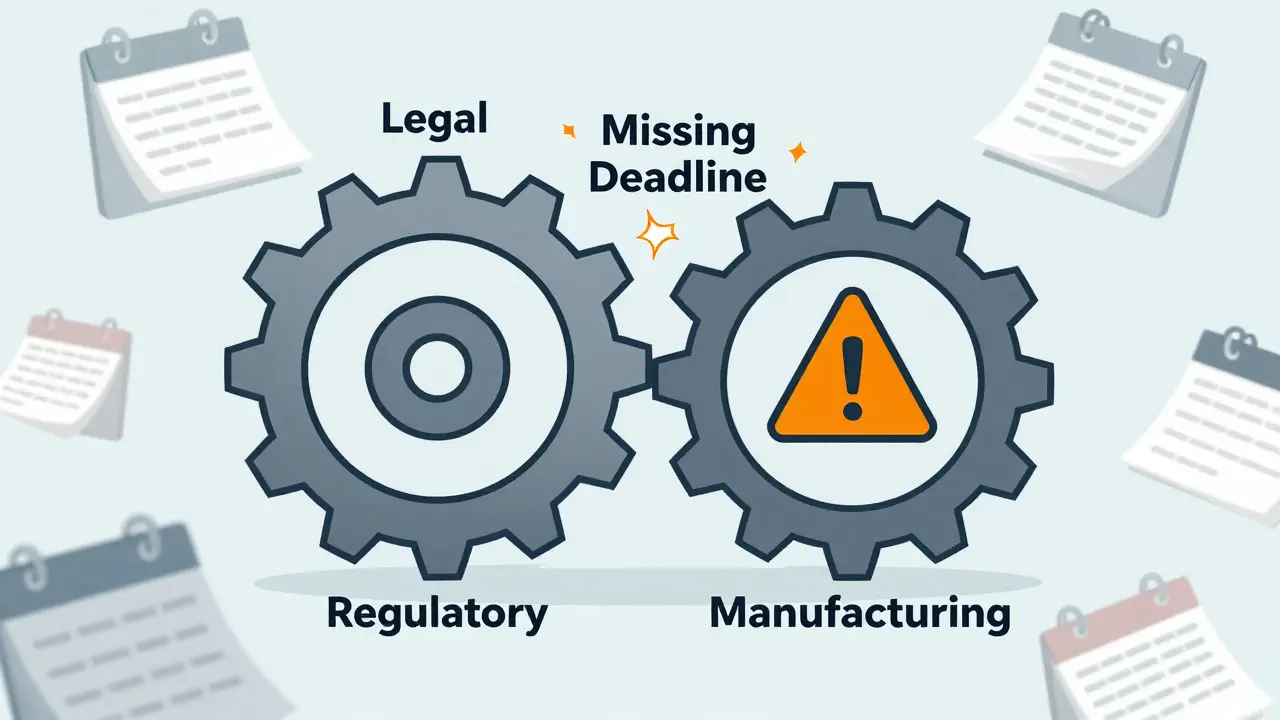
Who’s Doing It Right?
The top 10 generic manufacturers in the U.S. each have 15 to 25 products in tentative approval status at any given time. They don’t just file ANDAs. They run a pipeline. They have legal, regulatory, and manufacturing teams working in sync. They use software to track patent expirations, exclusivity windows, and submission deadlines. They pre-submit amendments. They hold monthly cross-departmental reviews. They also know when to walk away. Not every patent is worth fighting. If the litigation cost is $10 million and the market is only worth $50 million, sometimes it’s smarter to wait. The FDA doesn’t punish you for not filing a Paragraph IV. They just don’t give you the 180-day exclusivity. But if you’re not first, you’re competing on price - and margins are thin.The Future of Tentative Approval
The system isn’t broken. It’s evolving. The FDA is speeding up reviews. More complex generics - like inhalers and injectables - are flooding the pipeline. Patent strategies are getting more layered. Biologics are entering the mix. Some lawmakers are pushing bills to extend patent terms even further. But the core remains: tentative approval is the bridge between innovation and access. It’s how 85% of generic drugs enter the U.S. market. It’s how patients get cheaper medicines. And it’s how companies stay competitive. The lesson is simple: tentative approval isn’t the finish line. It’s the starting line for the real race. The one where timing, documentation, and coordination decide who wins - and who loses millions.What You Need to Do Now
If you’re managing a tentatively approved ANDA:- Map every patent and exclusivity period tied to your drug - including extensions.
- Set calendar alerts for submission deadlines: 3 months for minor changes, 10 months for major ones.
- Ensure your manufacturing site is fully compliant - audit it quarterly.
- Keep your legal and regulatory teams in daily contact.
- Submit your final approval request at least 90 days before the earliest lawful date.
- Never assume the patent expires on the date you think it does. Double-check with legal counsel.
Irebami Soyinka
January 28, 2026 AT 06:03Mel MJPS
January 29, 2026 AT 04:37Katie Mccreary
January 29, 2026 AT 15:51Kevin Kennett
January 29, 2026 AT 21:29Jess Bevis
January 30, 2026 AT 19:14Rose Palmer
February 1, 2026 AT 16:55Howard Esakov
February 3, 2026 AT 10:45Kathy Scaman
February 3, 2026 AT 16:23Anna Lou Chen
February 5, 2026 AT 07:43