
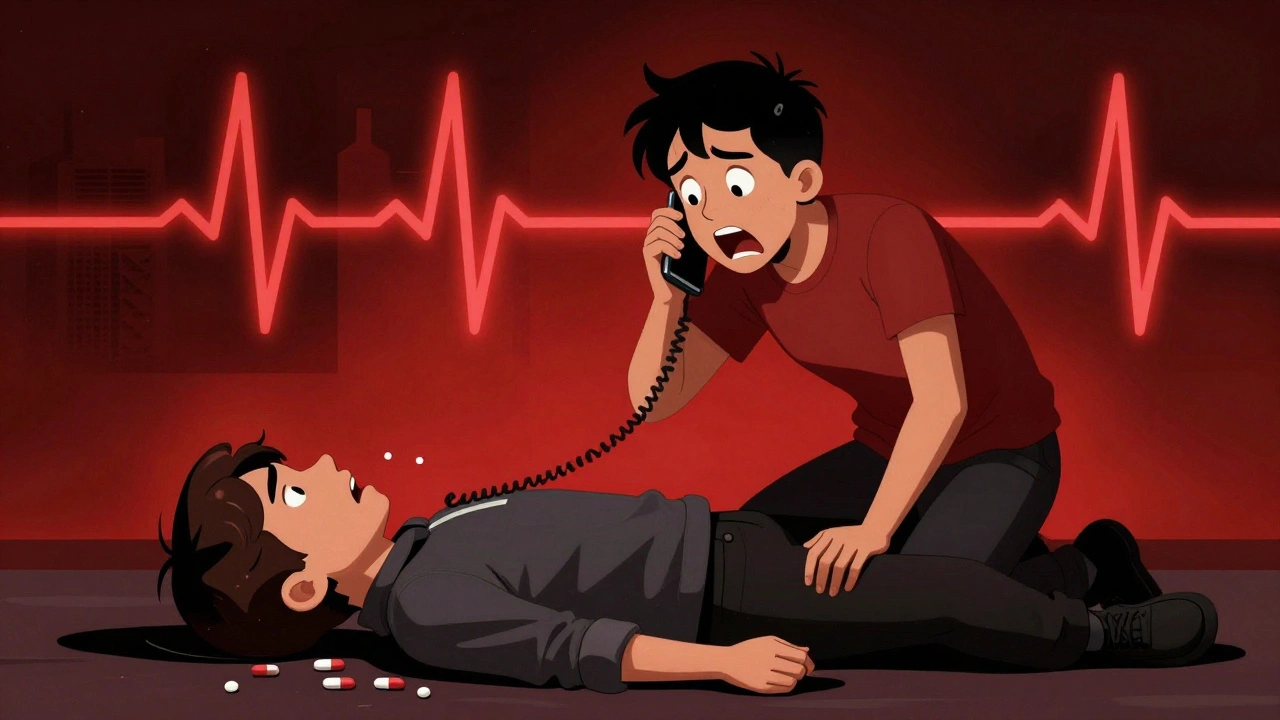
Every year, over two million people in the U.S. call Poison Control for accidental or intentional exposures. Many of those calls involve drugs - prescription, over-the-counter, or illicit. But here’s the thing: calling Poison Control isn’t always the right first step. Sometimes, you need 911 right away. Waiting could cost a life.
Let’s cut through the confusion. If someone has overdosed, you don’t have time to Google symptoms or second-guess yourself. You need clear, fast rules. This isn’t about being cautious - it’s about knowing when speed saves lives and when expert advice can prevent a hospital trip.
Call 911 Immediately If the Person Is Unresponsive or Struggling to Breathe
If someone is passed out, not waking up when you shake them, or has shallow, slow, or noisy breathing - call 911. Now. Don’t wait. Don’t text a friend. Don’t call Poison Control first.
These are signs of respiratory failure, the leading cause of death in overdoses. The CDC reports that in 28.3% of fatal poisoning cases, breathing stopped before help arrived. For opioid overdoses, this can happen in under 10 minutes. Even if they seem to wake up after you give them naloxone, call 911 anyway. Fentanyl and other synthetic opioids can come back stronger after naloxone wears off. That’s not a myth - it’s documented in emergency rooms across the country.
Same goes for seizures. If someone is having a convulsion that lasts more than five minutes, or if their body stiffens and jerks uncontrollably, get emergency help. Seizures mean the brain is under extreme stress. Poison Control can’t send a paramedic. Only 911 can.
Call Poison Control If the Person Is Awake, Breathing Normally, and You Know What Was Taken
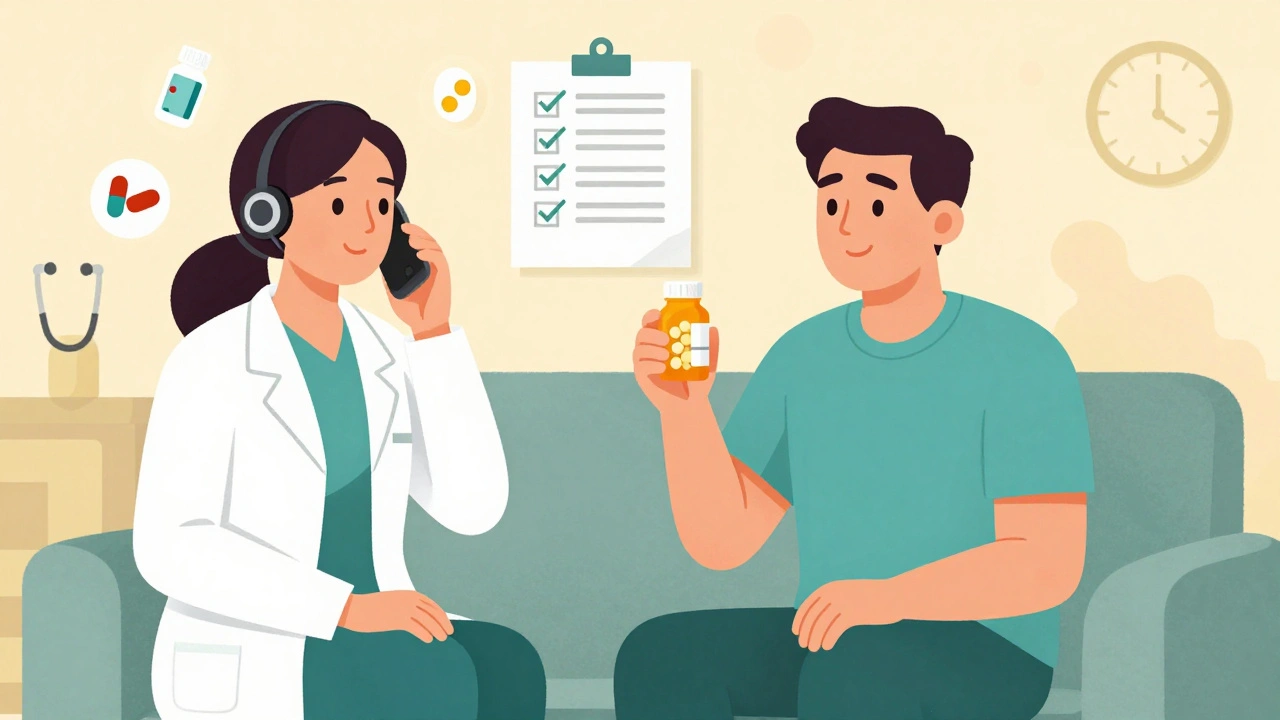
Not every overdose is an emergency - but you still need help. If someone took too much Tylenol, accidentally swallowed a whole bottle of children’s vitamins, or doubled up on their blood pressure pill - and they’re sitting up, talking, breathing fine - call Poison Control.
Poison Control isn’t just for kids. Adults call them every day. In 2022, pharmaceuticals made up nearly half of all exposures reported. Most of those were accidental. A 68-year-old mixing painkillers with sleep aids. A teenager taking two ibuprofen tablets thinking it’d help a headache. These cases rarely need an ambulance - but they need expert advice.
Poison Control specialists can tell you:
- Is this dose dangerous for their weight and age?
- Will they get sick in the next few hours?
- Should you watch them at home or go to the ER?
- What to do if they start vomiting or feel dizzy?
They’ve seen it all. One call can prevent a trip to the ER - and save you hundreds, even thousands, in medical bills. Studies show that using Poison Control cuts unnecessary ambulance rides by nearly 40%.
What Information to Have Ready - Before You Dial
Whether you call 911 or Poison Control, time matters. The faster you give details, the faster help comes.
For Poison Control (1-800-222-1222), have these ready:
- The exact name of the substance - not “that blue pill” but “ibuprofen 200 mg extended-release”
- How much was taken - 2 tablets? 10 mL? 150 mg? Exact numbers matter
- When it happened - “15 minutes ago” or “around 3:15 p.m.”
- The person’s age and weight - weight in kilograms is best, but pounds work
- Any symptoms so far - nausea? Drowsiness? Blurry vision?
- What you’ve already done - did you give them water? Did you try to make them vomit?
Grab the container. Look at the label. Even if it’s empty, the bottle tells them the strength, form (immediate vs. extended-release), and other ingredients. That changes everything. A 500 mg acetaminophen tablet is one thing. A 650 mg extended-release version? That’s a whole different risk.
For 911, you still need this info - but you don’t have to wait to find it. Say what you know. “My dad took a bunch of his heart pills. He’s not waking up.” They’ll send help and ask follow-ups on the way.
Special Cases: Kids, Older Adults, and Opioids
Children under 6 and adults over 75 are more vulnerable. Their bodies process drugs differently. A single pill that’s harmless to a 30-year-old could be deadly to a toddler or a senior.
For kids: If a child under 6 swallowed one pill - and they’re acting normal - call Poison Control. But if it’s clonidine, sulfonylureas, or any antidepressant, call 911. These can cause sudden low blood sugar or slowed breathing even if they seem fine.
For older adults: Most take five or more medications. Mixing them can cause dangerous interactions you can’t predict. If a 78-year-old takes an extra dose of anything - blood pressure, diabetes, or pain meds - call 911. Don’t wait for symptoms. Their risk of complications is 37% higher than younger adults.
For opioids: If you have naloxone, use it. But then call 911. Naloxone only lasts 30 to 90 minutes. Many opioids - especially fentanyl - last longer. The person can stop breathing again after naloxone wears off. That’s not rare. In 2022, over 12,000 overdoses were reversed with naloxone - and nearly all required follow-up EMS care.
What Not to Do
Don’t wait to see if they “get better.” Many drugs cause delayed toxicity. Acetaminophen (Tylenol) can look harmless for hours - then suddenly wreck the liver. Calcium channel blockers can cause heart failure 12 hours after ingestion.
Don’t try to make someone throw up. That’s outdated advice. It can cause choking or lung damage. Poison Control will tell you if vomiting is safe - but only after assessing the substance.
Don’t rely on apps or websites. The Poison Help app gives general advice, but it can’t talk to a specialist. WebPOISONCONTROL is great for low-risk cases - but it won’t help if the person is unconscious, having seizures, or took multiple drugs.
Don’t assume Poison Control will send help. They give advice. They don’t dispatch ambulances. Only 911 does that.
What Happens After You Call?
If you call Poison Control, you’ll speak to a nurse, pharmacist, or toxicologist - all trained in poison management. The average wait time is under 30 seconds. They’ll ask questions, give instructions, and may ask you to monitor the person for the next few hours. Some cases require follow-up calls.
If you call 911, paramedics will arrive quickly. They’ll check vitals, give oxygen, administer naloxone if needed, and transport to the nearest ER. Emergency rooms have poison specialists on call too - but they’re not there to prevent a crisis. They’re there to treat one.
Either way, you’ve done the right thing. You didn’t panic. You acted with information.
Why This System Exists - And Why It Works
Poison Control wasn’t created to replace hospitals. It was created to prevent them - when it’s safe to do so. In 2022, they handled 2.1 million cases. Only about 15% required ER visits. That means 1.8 million people avoided unnecessary trips, saving the system over $1.8 billion.
But the system only works if people use it correctly. Too many people delay calling 911 because they think “it’s not that bad.” Too many call Poison Control for someone who’s blue and unresponsive - wasting precious minutes.
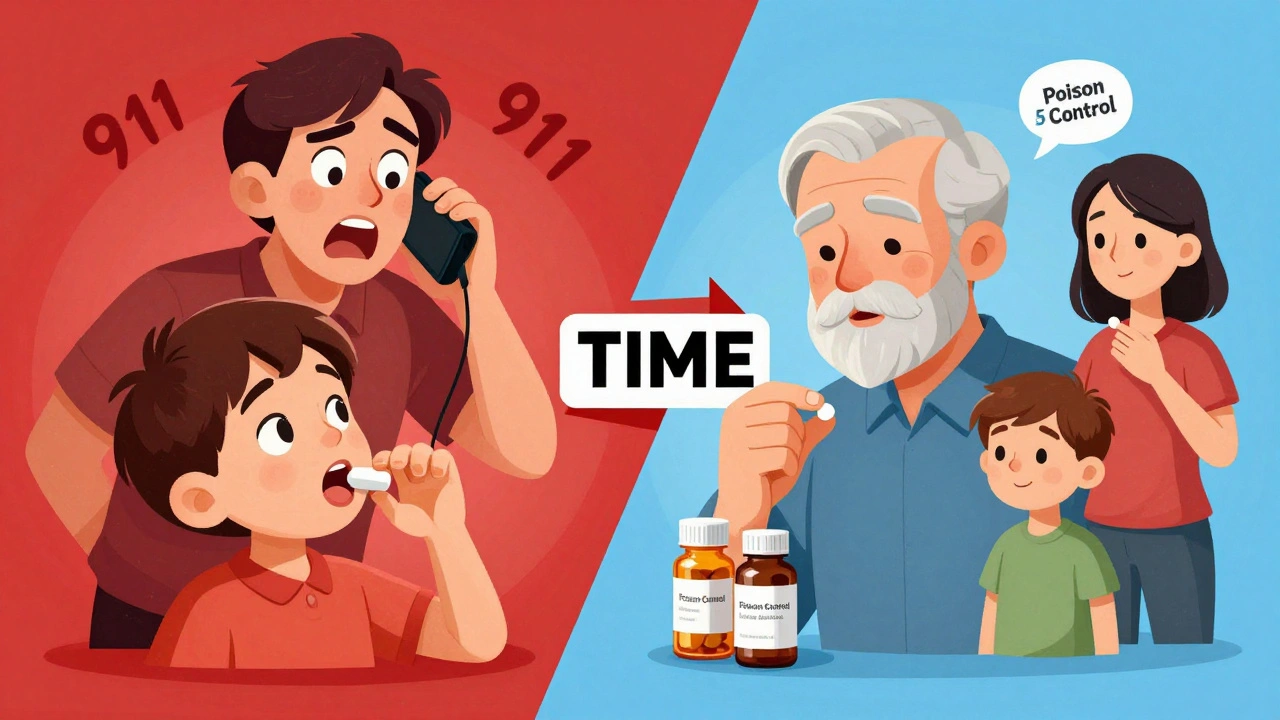
The rule is simple: If they’re not okay - call 911. If they’re okay but you’re unsure - call Poison Control.
There’s no shame in calling. No one will judge you. And if you’re wrong? Better safe than sorry. A call takes 30 seconds. A life? That’s forever.
Can I call Poison Control for an adult overdose?
Yes. Poison Control handles adult overdoses every day - especially from accidental double-dosing of medications like blood pressure pills, painkillers, or sleep aids. If the person is awake, breathing normally, and you know what they took, call Poison Control first. But if they’re unconscious, having trouble breathing, or seizing, call 911 immediately.
Is it safe to wait and see if symptoms develop?
No. Some drugs cause delayed toxicity. Acetaminophen can damage the liver 24 to 48 hours after ingestion, with no early warning signs. Calcium channel blockers and beta-blockers can cause sudden heart failure hours later. Waiting can be deadly. If you’re unsure, call Poison Control - don’t wait.
What if I don’t know what was taken?
Call 911. If you don’t know what substance was involved - especially if the person is unresponsive or having symptoms - emergency services need to act fast. Paramedics can collect samples, check for pill bottles, and start treatment while en route. Poison Control can’t help without knowing what was ingested.
Can I use the Poison Help app instead of calling?
The Poison Help app gives general first aid tips, but it can’t replace a live expert. It won’t help if the person is unconscious, having seizures, or took multiple drugs. It also doesn’t provide real-time advice. If you’re unsure, call 1-800-222-1222. The app is a backup - not a substitute.
Do I need to go to the ER after calling Poison Control?
Not always. Poison Control will tell you if home observation is safe. For example, a child who took one children’s vitamin and is acting fine can usually be monitored at home. But if they develop symptoms - vomiting, drowsiness, rapid heartbeat - call Poison Control again or go to the ER. Always follow their instructions.
Is Poison Control free and confidential?
Yes. The Poison Help hotline (1-800-222-1222) is completely free and confidential. No insurance is needed. No one will report you to authorities unless there’s child abuse or a life-threatening situation requiring police involvement - which is rare. Their job is to help, not judge.
What if I’m not in the U.S.?
If you’re in New Zealand, call 0800 764 766 (Poison Centre). Other countries have their own poison control services. If you’re unsure, call your local emergency number. Emergency responders can connect you to the right help, even if you’re abroad.
Scott van Haastrecht
December 4, 2025 AT 19:30Let’s be real-911 should be the default for any suspected overdose. Poison Control is for when your kid eats a half-eaten gummy vitamin. If someone’s unresponsive, you’re not calling a hotline-you’re calling an ambulance. Period.
Heidi Thomas
December 4, 2025 AT 22:25You’re telling me we need a whole article to explain that unconscious people need 911? This is basic life-saving logic. Stop overcomplicating it.
Rebecca Braatz
December 6, 2025 AT 01:01This is exactly the kind of clear, no-nonsense info we need. So many people panic and don’t know what to do-this breaks it down like a lifeline. Seriously, share this with everyone you know. One call could save a sibling, a friend, a neighbor. You don’t need to be an expert to act. Just call. That’s it.
zac grant
December 6, 2025 AT 15:00For those unfamiliar with toxicokinetics: delayed toxicity profiles vary significantly by pharmacokinetic class. Acetaminophen exhibits hepatic metabolism saturation kinetics, while calcium channel blockers can induce progressive cardiovascular collapse without prodromal symptoms. That’s why waiting is a lethal gamble. Poison Control is a triage tool-not a substitute for emergent intervention when hemodynamic instability is present.
Rachel Bonaparte
December 8, 2025 AT 13:34Look, I get it-you’re all about ‘calling Poison Control’ like it’s some kind of civic duty. But let’s not ignore the elephant in the room: the entire system is funded by corporate pharmaceutical interests who want to keep ER visits down. You think they really care about your grandma’s accidental double-dose? Or are they just trying to save a few bucks on ambulance dispatches? I’ve seen too many cases where people were told ‘it’s fine’ by Poison Control… then ended up in ICU three hours later. The real danger isn’t the overdose-it’s trusting a system that’s underfunded and overworked. Call 911. Always. Better to be wrong than dead.
Michael Feldstein
December 8, 2025 AT 20:58Great breakdown. I’ve worked in ER triage for 12 years. The biggest mistake I see? People waiting for ‘signs’ to get worse. That’s not how this works. If someone took a handful of pills and isn’t talking normally, it’s already too late to wait. I’ve had patients flatline because someone thought ‘maybe it’s just sleep.’ Don’t be that person. Call 911. Even if it’s a false alarm, you’re not wasting time-you’re buying it.
jagdish kumar
December 10, 2025 AT 11:31Life is a cascade. One choice leads to another. To call or not to call-that is not the question. The question is: who are you when the moment comes?
Carolyn Ford
December 11, 2025 AT 20:05Oh, so now we’re supposed to trust Poison Control? The same people who told a mother in Ohio her 4-year-old was ‘fine’ after swallowing a whole bottle of melatonin… and then she had a seizure 40 minutes later? Yeah, right. And you think I’m gonna believe your ‘studies’? Where’s the data? Who funded it? And why is it always ‘call Poison Control’ when the real solution is better drug regulation? You’re not helping-you’re distracting.
Ben Choy
December 12, 2025 AT 00:49Just wanted to say thank you for this. My sister’s boyfriend overdosed last year-she called Poison Control because he was ‘just sleepy’ and they said to watch him. He stopped breathing an hour later. We got lucky-he woke up. But I’ll never forget the guilt. This post? It’s the kind of thing I wish I’d read before. Please, if you’re reading this and you’ve ever been in this situation-don’t second-guess. Call 911. Always. No shame. No hesitation. Just act.
Ollie Newland
December 13, 2025 AT 16:22One thing nobody mentions: if you’re in a rural area with 20-minute EMS response times, calling Poison Control first might actually buy you critical minutes. They can give you step-by-step instructions while you wait-like how to position someone, what to monitor, when to start CPR. It’s not either/or-it’s both. Use the hotline as a bridge to 911, not a replacement.
Benjamin Sedler
December 13, 2025 AT 17:20Oh, so now we’re supposed to believe the government’s poison hotline isn’t just a PR stunt? Lol. Meanwhile, fentanyl-laced pills are being sold as ‘oxycodone’ on TikTok, and Poison Control’s entire budget is smaller than a single NFL stadium’s snack bar. You want to save lives? Ban the damn drugs. Don’t make moms choose between calling a hotline and calling an ambulance. This whole system is a Band-Aid on a hemorrhage.