
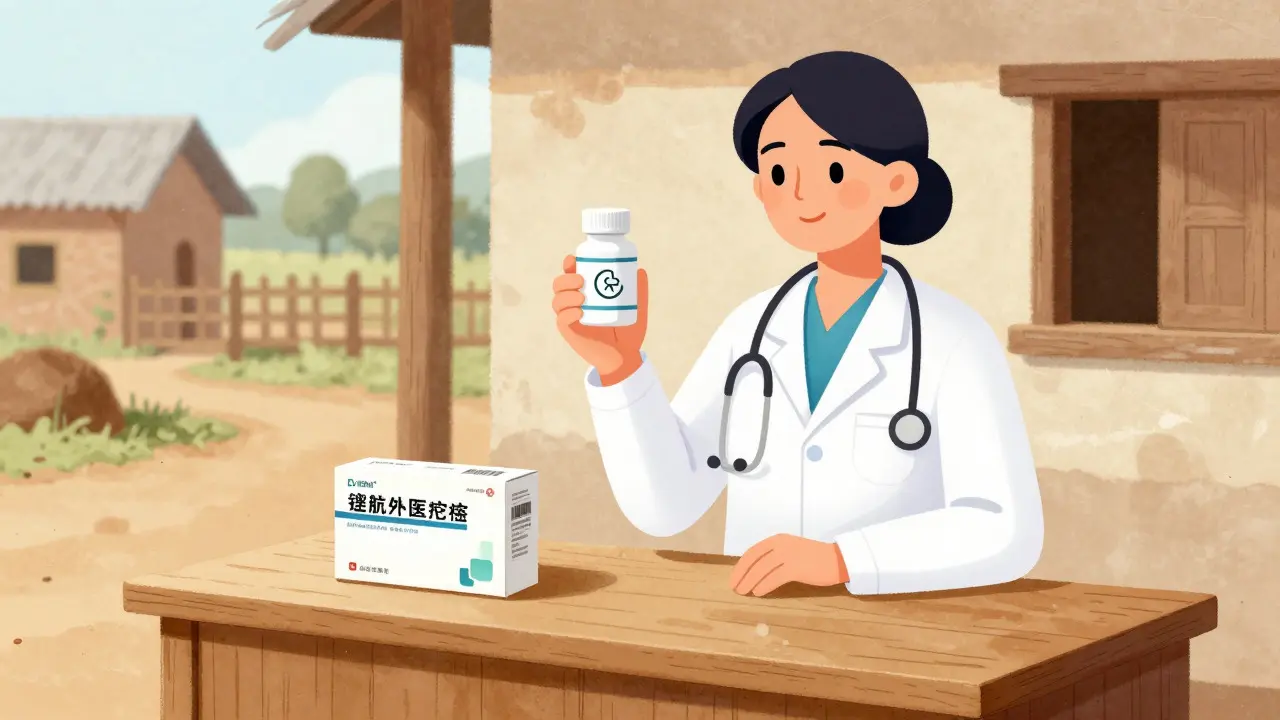
Imagine a hospital in a remote village. The doctor needs to treat pneumonia. Does she reach for the most expensive brand-name antibiotic? Or does she grab the affordable, high-quality generic that has been proven to work just as well? For billions of people, the answer isn't up to chance or corporate marketing. It is guided by a single document: the WHO Model List of Essential Medicines, often called the WHO Model Formulary.
This list is not just a catalog. It is the global standard for what counts as an 'essential' medicine. It tells governments and health systems which drugs must be available at all times, in adequate amounts, and with assured quality. Crucially, it places heavy emphasis on generic versions of these medicines. Why? Because generics are the engine of global health equity. Without them, treating common diseases would be financially impossible for most countries.
What Exactly Is the WHO Model List?
The World Health Organization (WHO) first published this list in 1977. As of July 2023, we are on the 23rd edition. You might think of it as a shopping list, but that undersells its power. It is a technical reference used by over 150 countries to build their own National Essential Medicines Lists (NEMLs).
The list is split into two parts:
- The Core List: These are the minimum medicines needed for a basic healthcare system. They offer the best balance of efficacy, safety, and cost-effectiveness for priority conditions.
- The Complementary List: These medicines are also essential but require specialized diagnostic facilities, specialist care, or higher costs. They are included when no better alternative exists.
In the 2023 update, the list contains 591 medicines covering 369 disease indications. Here is the kicker: 46% of these medicines-273 in total-are generics. This statistic reveals the WHO’s core philosophy: you do not need patented, expensive brands to save lives. You need effective, accessible treatments.
How Generics Get onto the List
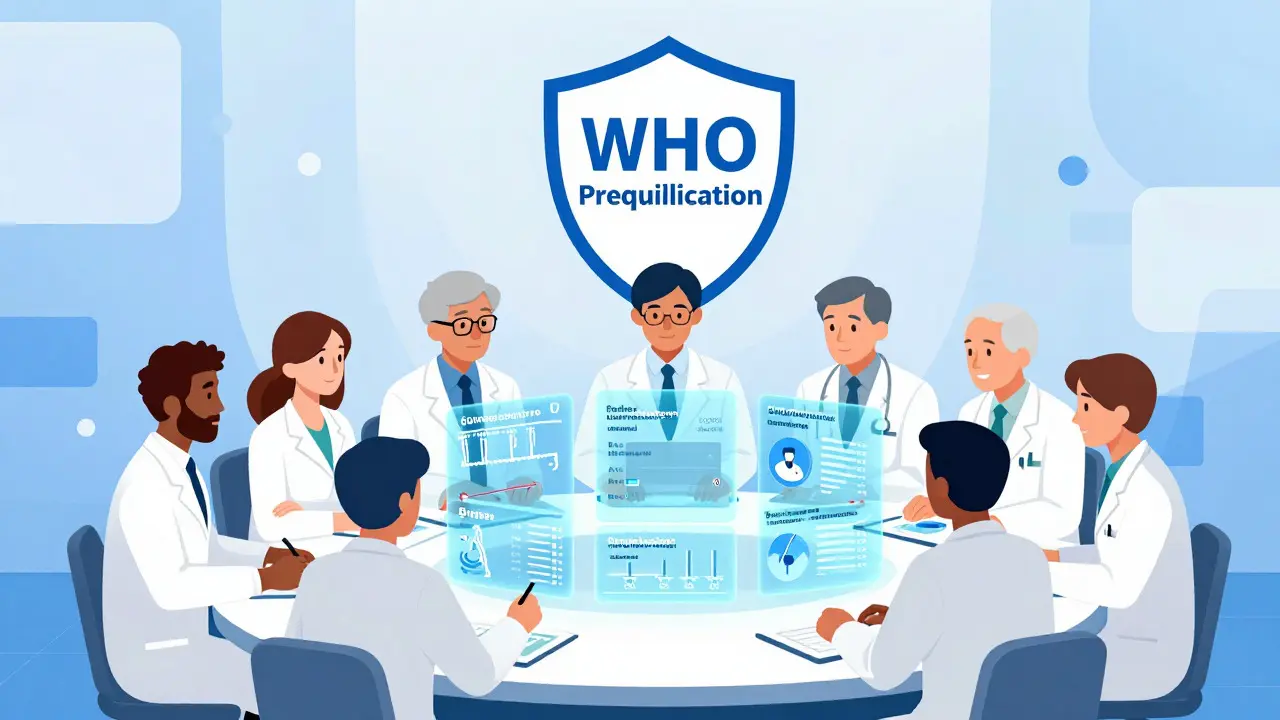
Getting a medicine onto the WHO Model List is rigorous. It is not a popularity contest. A committee of independent experts evaluates candidates based on strict criteria. If you are wondering how they decide if a generic is 'good enough,' here is the process.
First, the medicine must address a significant public health burden. Generally, this means the disease affects at least 100 cases per 100,000 people. Second, there must be solid evidence of efficacy and safety. The WHO looks for Level 1a or 1b evidence from randomized controlled trials.
Third, and perhaps most importantly for generics, is quality assurance. The WHO mandates that essential medicines meet WHO Prequalification standards or equivalent approval from stringent regulatory authorities like the FDA or EMA. In the 2023 list, 92% of generic medicines required WHO Prequalification.
For a generic to be considered therapeutically equivalent to the original brand, it must pass bioequivalence studies. These studies show that the generic delivers the same amount of active ingredient into the bloodstream as the reference product. The confidence intervals for Area Under the Curve (AUC) and maximum concentration (Cmax) ratios must fall between 80% and 125%. For narrow therapeutic index drugs-where small changes in dose can be dangerous-the limits are tighter, at 90-111%.
Why This Matters for Global Health
You might ask, "Why does a list matter if hospitals still run out of stock?" That is a fair question. The list itself doesn't ship pills. But it shapes procurement, pricing, and policy.
Countries that align their national formularies with the WHO Model List see real results. Studies show they achieve 23-37% reductions in pharmaceutical expenditures while maintaining or improving health outcomes. This is because the list encourages generic substitution. When doctors prescribe the generic version listed by the WHO, prices drop, and more patients get treated.
Consider HIV treatment. In 2008, the median price for generic antiretrovirals was $1,076 per patient per year. By 2022, thanks to competition and WHO-driven standards, that price dropped to $119-an 89% decrease. This allowed treatment to scale from 800,000 people in 2003 to nearly 30 million in 2022. That is the power of standardized, essential generics.
| Feature | WHO Model List | US Commercial Insurance Formularies |
|---|---|---|
| Primary Goal | Public health impact & accessibility | Cost containment for insurers |
| Structure | Core vs. Complementary lists | Tiered cost-sharing (3-5 tiers) |
| Generic Focus | Mandatory quality prequalification | Preferred for lower copays |
| Selection Basis | Evidence-based clinical need | Negotiated rebates & formulary management |
Challenges in Implementation
The theory is sound, but the reality on the ground is messy. While 92% of African countries base their national lists on the WHO Model List, implementation varies wildly.
In Ghana, adopting WHO principles helped reduce out-of-pocket medicine spending by 29% between 2018 and 2022. Pharmacists reported better availability of quality-assured generics for hypertension and diabetes. But in Nigeria, a survey found that only 41% of essential medicines were consistently available in healthcare facilities. Stockouts lasted an average of 58 days per medicine annually. The problem wasn't the list; it was the supply chain.
Another major hurdle is substandard and falsified medicines. In 2022, WHO surveillance found that 10.5% of essential medicine samples in low- and middle-income countries were substandard or fake. Antibiotics and antimalarials were particularly affected. Even with WHO Prequalification, enforcement remains weak in some regions.
There is also criticism about bias. Some experts argue that the WHO relies too heavily on industry-funded trials. In 2023, 45% of the supporting data for new inclusions came from industry sources, up from 28% in 2015. To combat this, the WHO now requires full financial disclosure from committee members, reporting 100% compliance in the latest cycle.
The Future of Essential Generics
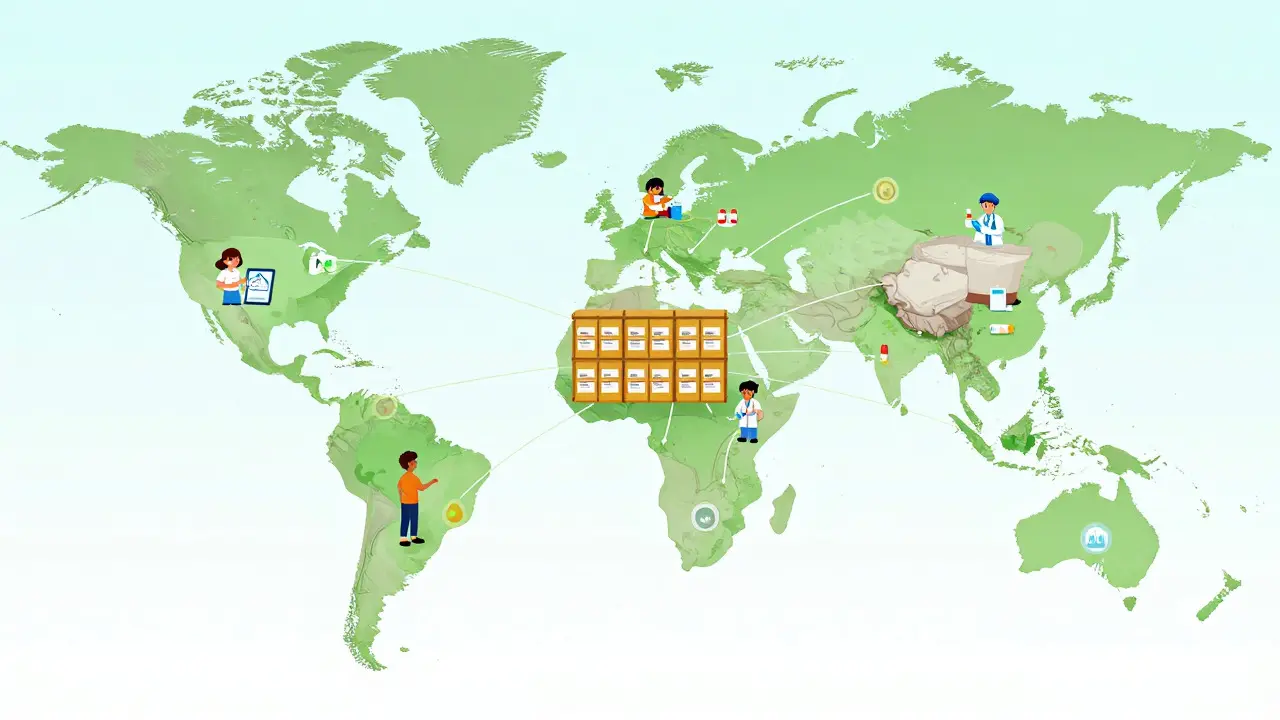
The WHO is adapting. The 2023 update introduced specific criteria for biosimilars, including seven monoclonal antibodies. It also expanded pediatric formulations, ensuring that 42% of listed medicines now have age-appropriate doses, up from 29% in 2019.
Digital tools are also changing the game. The WHO launched the Essential Medicines App in September 2023, which has already been downloaded 127,000 times across 158 countries. This puts the latest standards directly into the hands of clinicians and policymakers.
Looking ahead, the focus is shifting toward antimicrobial resistance. Draft guidelines released in early 2024 propose 'antibiotic stewardship tiers' for national formularies. This means restricting certain antibiotics to prevent resistance, even if they are on the essential list.
The goal is clear: by 2030, the WHO aims to increase the availability of essential medicines in primary care facilities from 65% to 80%. Achieving this will require not just better lists, but better financing. Currently, only 31% of low-income countries dedicate more than 15% of their health budget to pharmaceuticals, which is the threshold needed for effective programs.
Frequently Asked Questions
Is the WHO Model List legally binding for countries?
No, the WHO Model List is not legally binding. It serves as a technical reference and recommendation. However, over 150 countries use it as the foundation for their own National Essential Medicines Lists, making it de facto influential in global healthcare policy.
What is the difference between the Core List and the Complementary List?
The Core List includes medicines that satisfy the priority health care needs of a population and are the most efficacious, safe, and cost-effective options for basic healthcare systems. The Complementary List includes essential medicines that may require specialized diagnostic facilities, specialist training, or have higher costs, and are used when no suitable alternative exists.
How does the WHO ensure the quality of generic medicines on the list?
The WHO requires that essential medicines meet WHO Prequalification standards or approval from stringent regulatory authorities like the FDA or EMA. For generics, this involves rigorous bioequivalence testing to ensure they perform identically to the reference product in terms of absorption and effectiveness.
Why are generics so important in the WHO Model List?
Generics are crucial for affordability and accessibility. With 46% of the 2023 list being generics, the WHO emphasizes that life-saving treatment should not depend on patent protection. Generic competition drives down prices, allowing health systems to treat more patients with limited budgets.
Does the WHO Model List include newer, patented medicines?
Yes, but selectively. Only about 12% of novel therapeutics approved between 2018-2022 were included in the 2023 list. The WHO prioritizes medicines that offer significant therapeutic advantage over existing options and demonstrate cost-effectiveness relative to GDP per capita.
How often is the WHO Model List updated?
The list is updated biennially, meaning every two years. The 23rd edition was published in July 2023. Updates involve a comprehensive review by the WHO Expert Committee on Selection and Use of Essential Medicines, considering new evidence and public health needs.
What challenges do low-income countries face in implementing the list?
Major challenges include supply chain disruptions, leading to frequent stockouts, and the presence of substandard or falsified medicines. Additionally, many low-income countries lack sufficient technical capacity and dedicated pharmaceutical budgets (often below the recommended 15% of health expenditure) to fully implement the recommendations.
How does the WHO Model List compare to US insurance formularies?
Unlike US insurance formularies that use tiered cost-sharing to manage expenses, the WHO Model List focuses purely on therapeutic value and public health impact. It does not dictate patient copays but rather recommends which medicines should be universally available as part of a functioning health system.