
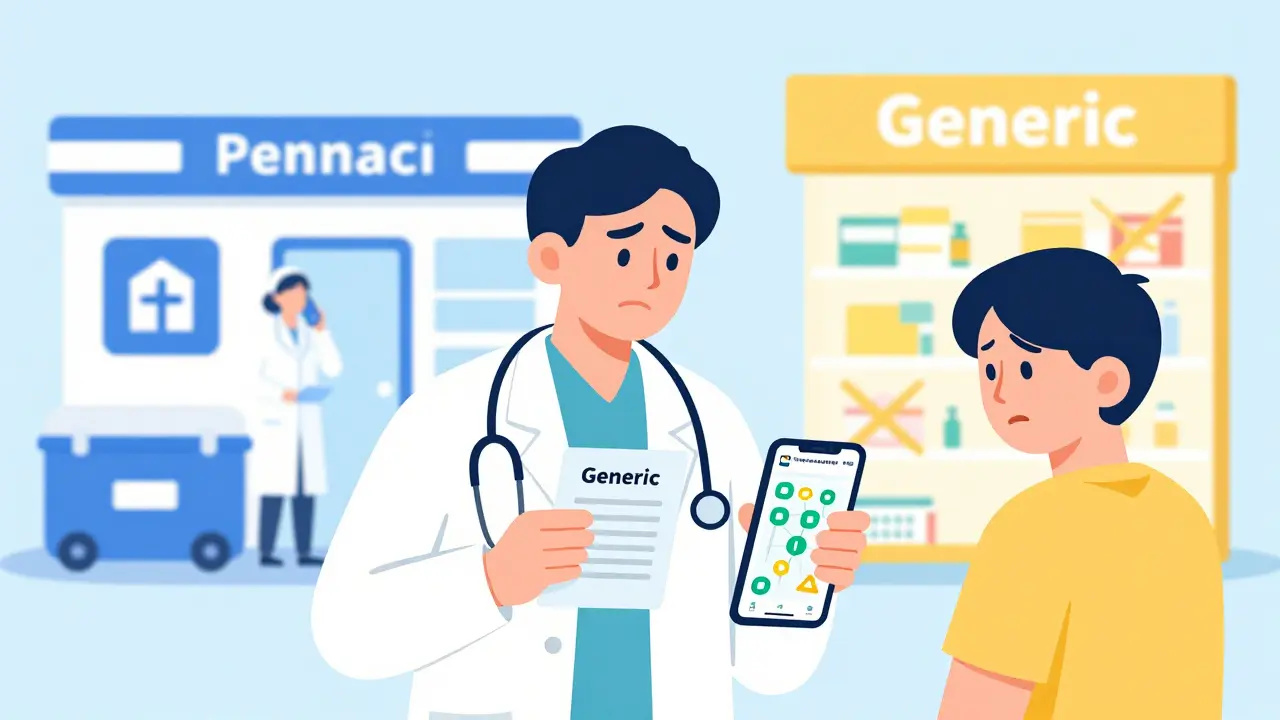
Imagine this: You prescribe a generic version of a high-cost medication to save your patient money. You expect it to be picked up at the corner drugstore in ten minutes. Instead, two weeks later, a courier delivers it with a nurse calling to schedule an administration training session. It feels like a step backward, right? But for many complex medications, this isn’t a glitch-it’s the standard.
The line between brand-name and generic is blurring in the world of specialty pharmacy, defined as a specialized distribution channel for complex, high-cost medications requiring special handling, monitoring, or patient support. For providers, understanding why generic specialty drugs still route through these specialized channels is critical. It affects your prescribing habits, your patients’ access to care, and even how you manage prior authorizations. The short answer? In specialty care, the service model matters more than the price tag.
The Myth of the "Simple" Generic in Specialty Care
In traditional retail pharmacy, generics are straightforward. They are chemically identical to their brand counterparts, cheaper, and interchangeable. But specialty pharmaceuticals operate under different rules. According to the Academy of Managed Care Pharmacy (AMCP), specialty drugs are often large, injectable, protein-based molecules produced via biotechnology. When these go off-patent, they don’t become "generics" in the classic sense. Instead, we get biosimilars, which are highly similar biological products to an already approved reference biologic, with no clinically meaningful differences in safety, purity, or potency.
Even small-molecule specialty drugs-those that aren’t biologics but still require complex administration or monitoring-often remain locked into specialty distribution networks. Why? Because manufacturers establish mandatory distribution programs. As noted by the International Women's Media Foundation, if a manufacturer chooses to distribute its drug through a specialty pharmacy, only a specialty pharmacy can dispense it. This applies regardless of whether the pill is branded or generic. The distribution mandate transcends the brand-generic distinction.
| Feature | Retail Pharmacy | Specialty Pharmacy |
|---|---|---|
| Turnaround Time | 1-2 days (often same-day) | Average 7.2 days (PMC, 2023) |
| Patient Support | Basic counseling | Dedicated care coordinators, nurses, pharmacists |
| Storage Requirements | Standard room temperature | Temperature-controlled (2-8°C) storage & shipping |
| Authorization Process | Minimal; insurance adjudicates instantly | Complex prior authorization, REMS protocols |
| Generic Substitution | Routine under state laws | Limited by manufacturer distribution mandates |
Why Providers Must Engage with Specialty Pharmacies
You might wonder, "If the drug is generic, why do I need all this extra work?" The reality is that the complexity of administration and monitoring requirements-not the brand-generic status-determines the need for specialty services. John Prince of the Drug Channels Institute put it bluntly in a 2024 white paper: the distinction becomes almost irrelevant because the service model drives the distribution channel.
Here’s what that looks like in practice:
- Clinical Assessment: Specialty pharmacies don’t just hand over pills. They verify that the patient’s lab results are within safe ranges before dispensing. For drugs like methotrexate or certain oncology agents, skipping this step could be dangerous.
- REMS Compliance: Many specialty drugs, including some generics, fall under Risk Evaluation and Mitigation Strategies (REMS) mandated by the FDA. These protocols require specific documentation and patient education to mitigate serious risks. Retail pharmacies rarely have the infrastructure to manage these varying, drug-specific protocols efficiently.
- Financial Navigation: Even with a generic, out-of-pocket costs can be confusing. Specialty pharmacies employ financial counselors who navigate copay assistance programs, manufacturer coupons, and insurance tiers. A 2024 Reddit thread highlighted a patient frustrated by a $75 copay increase when switching to a generic via specialty pharmacy, yet another appreciated the consistent nurse follow-ups that prevented adverse events.
For providers, this means you’re not just prescribing a molecule; you’re enrolling a patient in a care ecosystem. If you bypass the specialty pharmacy for a generic that requires one, you risk treatment delays, non-adherence, or even safety issues.
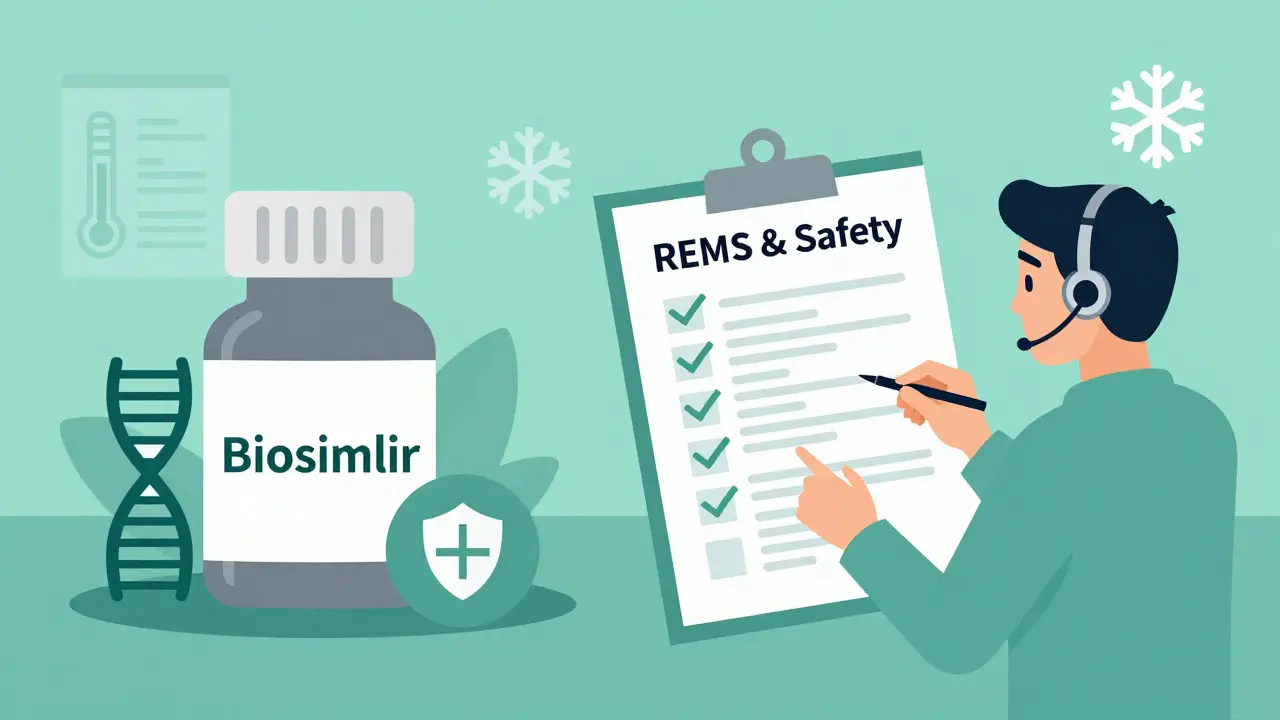
The Biosimilar Boom: What’s Changing in 2026?
We are entering a new era. The U.S. pharmaceutical market saw specialty drugs account for 56% of total spending in 2023, despite being only 3% of prescriptions. Now, with CMS implementing new rules in 2024 requiring Medicare Part D plans to cover all FDA-approved biosimilars, volume is shifting. Evaluate Pharma projects that biosimilars will represent an increasing portion of specialty pharmacy dispensing by 2028.
This shift creates both opportunities and headaches for providers:
- Increased Volume: Expect a 40% increase in biosimilar volume by 2026. Your specialty pharmacy partners are upgrading their tech stacks to handle this, but bottlenecks may occur during transitions.
- White Bagging & Brown Bagging: These models, where specialty pharmacies dispense meds for administration in clinical settings, now account for 27% of specialty volume. If you administer infusions in-office, you’ll likely interact with specialty pharmacies more frequently, even for generic/biosimilar versions.
- Consolidation Risks: Major players like OptumRx (32% share), CVS Specialty (28%), and Express Scripts (24%) dominate. Smaller regional pharmacies are struggling. ASHP’s 2024 survey found 63% of health systems plan to bring specialty dispensing in-house. This could disrupt established relationships you have with local specialty providers.
Navigating Prior Authorization and Delays
Let’s talk about the pain point: paperwork. The prior authorization process is resource-intensive. A 2023 study in PMC noted that processing times average 7.2 days, with oncology meds taking nearly nine days. Generic specialty drugs sometimes face the same hurdles as branded ones due to therapeutic interchange restrictions.
How can you speed this up?
- Use Real-Time Prescription Benefit (RTPB) Technology: Surescripts data shows RTPB reduced prior authorization processing time by 3.2 days on average across millions of prescriptions in 2023. Ensure your e-prescribing platform supports this.
- Pre-emptive Documentation: Specialty pharmacies require 12-15 data elements per patient compared to 5-7 for retail. Include relevant lab values, diagnosis codes, and failure of previous therapies directly in the prescription notes.
- Maintain Consistent Care Teams: Patients report higher satisfaction when transitioning from brand to generic if they stay with the same specialty pharmacy. A MyHealthTeams survey found 68% preferred this continuity. Encourage patients not to switch pharmacies just because the drug name changed.

Practical Tips for Prescribers
So, what should you do differently when prescribing a generic specialty drug?
First, assume the workflow remains the same. Don’t tell patients, "It’s generic, so it’ll be easy." Instead, set expectations: "This medication requires specialized handling, so it will come through our partner specialty pharmacy. You’ll receive a call from a care coordinator within 24 hours."
Second, educate your staff. Pharmacists transitioning to specialty practice take 6-8 months to reach competency (ASHP, 2023). Your office managers and nurses should understand REMS requirements and the difference between a biosimilar and a generic small-molecule drug.
Third, monitor adherence closely. Specialty pharmacies excel at refill reminders and side-effect monitoring. Leverage this. Ask your pharmacy partner for quarterly adherence reports. If a patient misses doses, the specialty team can intervene before you see them in clinic.
Finally, advocate for your patients. If a generic specialty drug causes financial toxicity despite lower wholesale costs, work with the specialty pharmacy’s financial counselor. Sometimes, staying on the brand with a manufacturer coupon is cheaper for the patient than switching to a generic with a high specialty copay.
Looking Ahead: The Future of Specialty Dispensing
The landscape is consolidating. Walgreens’ acquisition of Shields Health Solutions in January 2024 signals a trend toward integrating specialty services with broader health systems. For independent providers, this means fewer options but potentially more streamlined coordination if you align with major payers.
However, the core value proposition remains unchanged. Specialty pharmacies provide high-touch patient services that retail cannot match. Whether the drug is branded, generic, or a biosimilar, the complexity of administration and monitoring dictates the need for specialized care. As providers, your role is to guide patients through this ecosystem, ensuring they receive not just the right molecule, but the right support.
Can I prescribe a generic specialty drug to be filled at a retail pharmacy?
Usually, no. Most specialty drugs, even generic versions, are subject to manufacturer distribution mandates that restrict dispensing to authorized specialty pharmacies. This ensures proper handling, REMS compliance, and patient monitoring. Attempting to fill them at retail often results in rejection or significant delays.
What is the difference between a generic and a biosimilar in specialty pharmacy?
A generic is a chemically identical copy of a small-molecule drug. A biosimilar is a highly similar version of a biologic (protein-based) drug. Biologics are too complex to be exactly copied, so biosimilars undergo rigorous testing to show no clinically meaningful differences. Both often require specialty pharmacy distribution due to complexity, not just cost.
Why does my generic specialty drug take longer to arrive than a regular prescription?
Specialty pharmacies perform additional steps: verifying insurance benefits, managing prior authorizations, conducting clinical assessments, and coordinating financial assistance. While retail pharmacies average 1.2 days, specialty pharmacies average 7.2 days from receipt to delivery readiness. This time ensures safety and adherence support.
Do I need to change my prescribing habits for biosimilars?
Not significantly, but you should specify the exact product name if required by payer policies. With new CMS rules mandating coverage for all FDA-approved biosimilars, ensure your electronic health record allows for precise NDC coding. Communicate clearly with the specialty pharmacy to avoid substitution errors.
How can I reduce prior authorization delays for specialty generics?
Use Real-Time Prescription Benefit (RTPB) technology in your e-prescribing system. Provide comprehensive documentation upfront, including lab results and diagnosis codes. Building a relationship with a specific specialty pharmacy’s prior authorization team can also streamline future requests.