

PONV Risk Assessment & Antiemetic Selector
Step 1: Identify Your Risk Factors
Click to select factors that apply to you. The Apfel score identifies four independent risk factors.
Select your risk factors above to view your personalized antiemetic strategy.
Rescue Therapy Only
No prophylaxis is typically required. Monitor symptoms and use rescue medication only if nausea occurs.
Imagine finishing a routine procedure only to be hit by waves of nausea that feel impossible to shake. For many patients, this isn't just an inconvenience; it's a distressing side effect of the very medications meant to help them. Whether you're recovering from surgery, managing chronic pain with opioids, or undergoing chemotherapy, understanding how to choose the right antiemetics can make the difference between a smooth recovery and a painful ordeal. The key lies not in grabbing the first pill off the shelf, but in matching the drug's mechanism to your specific risk profile.
The landscape of anti-nausea medication has evolved significantly since the 1950s. What started with basic sedatives like promethazine has grown into a sophisticated toolkit featuring seven distinct classes of drugs. Today, clinical guidelines emphasize a risk-stratified approach rather than a one-size-fits-all prescription. This means your choice depends on factors like your age, smoking status, and the type of medication causing the issue. Let’s break down how these options work and how to navigate them safely.
Understanding the Major Classes of Antiemetics
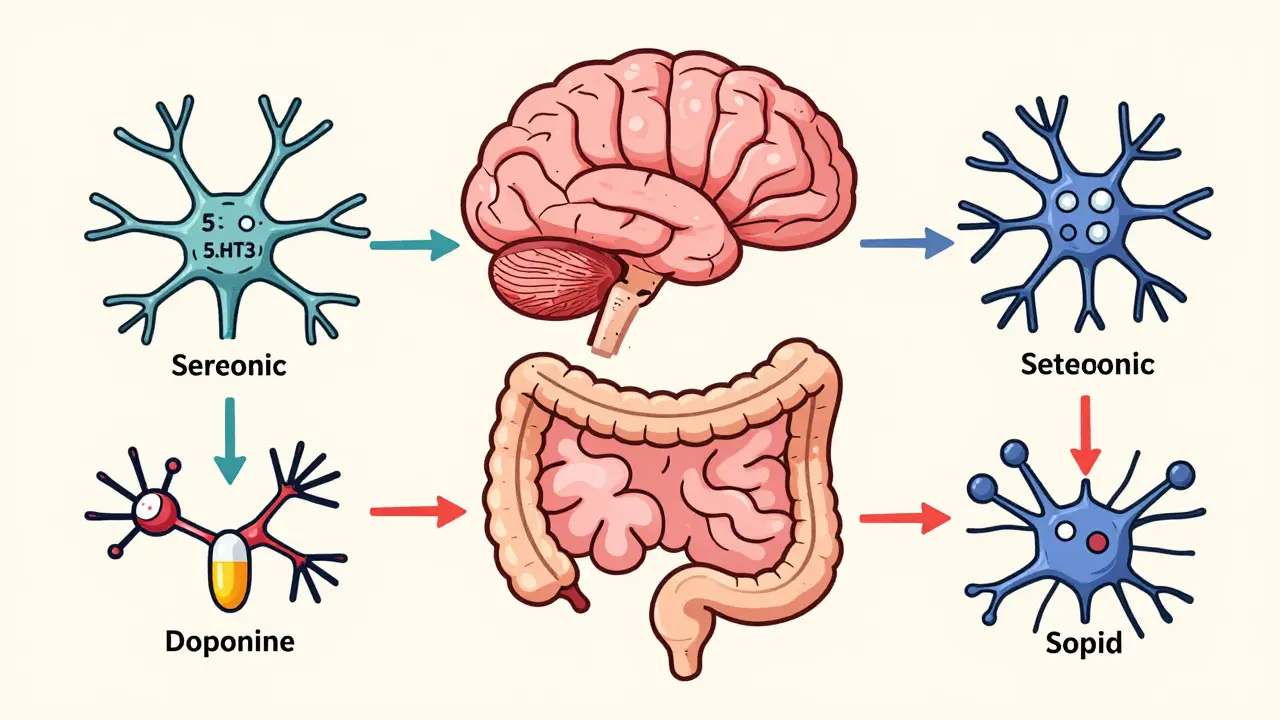
Not all anti-nausea drugs work the same way. They target different pathways in the brain and gut to stop the vomiting reflex. Knowing which class fits your situation is the first step toward safe management.
- 5-HT3 Receptor Antagonists are drugs that block serotonin receptors in the chemoreceptor trigger zone and gastrointestinal tract. Examples include Ondansetron (Zofran) and granisetron. These are often the first line of defense for postoperative nausea and vomiting (PONV).
- Dopamine Receptor Antagonists are agents that inhibit dopamine D2 receptors, often used for their dual antiemetic and prokinetic effects. Common examples are Droperidol and metoclopramide. Droperidol is particularly noted for its cost-effectiveness and low sedation profile at low doses.
- Corticosteroids are anti-inflammatory drugs like dexamethasone that serve as adjuncts to other antiemetics. They take 4-5 hours to reach full effect, making them ideal for long-term prevention rather than immediate rescue.
- Opioid Antagonists are drugs that block opioid receptors specifically to counteract nausea caused by opioid analgesics. This class is crucial for patients on chronic pain management regimens.
Each class has its own strengths. For instance, while 5-HT3 antagonists are highly effective for acute surgical cases, they may not address the delayed nausea often seen with chemotherapy. Conversely, anticholinergics like scopolamine patches are great for motion sickness but less effective for medication-induced issues.
Assessing Your Personal Risk Profile
Before selecting a drug, clinicians use the Apfel PONV risk score to determine how likely you are to experience nausea. This validated tool identifies four independent risk factors:
- Female sex (odds ratio 2.2)
- Non-smoking status (odds ratio 1.9)
- History of PONV or motion sickness (odds ratio 3.1)
- Postoperative opioid use (odds ratio 1.5)
Your total score dictates the strategy:
| Risk Factors | Recommended Approach | Typical Agents |
|---|---|---|
| 0-1 | No prophylaxis; rescue therapy only if needed | Serotonin antagonists as rescue |
| 2 | Single-agent prophylaxis | Droperidol 0.625-1.25 mg OR Ondansetron 4 mg |
| 3-4 | Dual-mechanism prophylaxis | Droperidol PLUS Dexamethasone |
This structured approach prevents overprescribing, which is a common issue where 30-40% of PONV prophylaxis is deemed inappropriate based on actual risk. By matching the intensity of treatment to your personal risk, you reduce side effects and costs.
Efficacy and Safety: Comparing Key Options
When comparing specific drugs, efficacy data helps guide decisions. Recent meta-analyses involving thousands of patients provide clear insights into which drugs perform best under different conditions.
| Drug Class / Agent | PONV Prevention Efficacy | Cost per Dose (Generic) | Key Safety Consideration |
|---|---|---|---|
| Ondansetron (5-HT3) | 65-75% | $1.25 | QT prolongation risk in cardiac patients |
| Droperidol (Dopamine) | ~88% reduction in incidence | $0.50 | ECG monitoring if dose >1.25 mg |
| Dexamethasone (Corticosteroid) | 20-30% additional benefit when combined | $0.25 | Delayed onset (4-5 hours) |
| Metoclopramide (Dopamine) | 44-68% (dose-dependent) | Low | Akathisia (restlessness) in elderly |
Notice the trade-off between cost and convenience. While generic ondansetron is widely available, droperidol offers superior prevention at a lower price point for many surgical centers. However, safety remains paramount. For example, FDA black box warnings exist for dolasetron and ondansetron regarding QT prolongation in patients with congenital long QT syndrome. Always disclose your cardiac history before starting these agents.
Navigating Side Effects and Drug Interactions
Choosing a safe antiemetic also means anticipating side effects. No drug is without potential downsides, but knowing what to watch for allows for better management.
- Headache and Constipation: Frequently reported with 5-HT3 antagonists like ondansetron. About 32% of users report headaches. Staying hydrated and using stool softeners can mitigate these issues.
- Akathisia: A feeling of inner restlessness or inability to sit still, associated with dopamine antagonists like metoclopramide. Rates can reach 8% in elderly patients, leading some institutions to switch to olanzapine for this demographic.
- Sedation: While older agents like promethazine are sedating, modern low-dose droperidol (0.625 mg) provides excellent nausea control with minimal drowsiness, making it suitable for outpatient settings.
Drug interactions also play a critical role. Ondansetron, for instance, inhibits CYP3A4, an enzyme responsible for metabolizing many other drugs. If you are taking medications metabolized by this pathway, your doctor may need to adjust dosages or choose an alternative agent. Similarly, combining multiple antiemetics requires care to avoid excessive sedation or additive cardiac risks.

Special Scenarios: Opioids and Chemotherapy
Medication-induced nausea isn't limited to post-surgical contexts. Two major areas require specific attention: opioid therapy and chemotherapy.
For patients on chronic opioids, standard antiemetics might fail because opioids act directly on the brainstem. In these cases, opioid antagonists or partial agonists are often more effective. Clinical feedback suggests that adding a peripheral opioid antagonist can significantly reduce breakthrough nausea without reversing the pain relief.
In chemotherapy, the timeline of nausea matters. Acute nausea occurs within 24 hours, while delayed nausea hits days later. Standard 5-HT3 antagonists handle the acute phase well, but NK-1 receptor antagonists like rolapitant show higher efficacy (78.4%) for delayed symptoms. Newer combination products like Akynzeo (netupitant/palonosetron) offer a comprehensive solution, though at a higher cost (~$350 per dose) compared to generics.
Practical Tips for Patients and Caregivers
If you are managing your own nausea or caring for someone who is, here are actionable steps to ensure safe and effective treatment:
- Track Your Triggers: Keep a log of when nausea occurs relative to medication intake. This helps your provider distinguish between acute and delayed effects.
- Ask About Timing: Some drugs, like dexamethasone, need to be given hours before the expected nausea. Others, like ondansetron, work faster. Align the drug's onset time with your symptom pattern.
- Monitor for Red Flags: Watch for signs of heart rhythm issues (palpitations, fainting) if taking 5-HT3 antagonists, or unusual muscle movements if on dopamine blockers.
- Discuss Cost Barriers: Generic alternatives are often just as effective. Ask your pharmacist about formulary options if newer agents are too expensive.
Remember, the goal is comfort and quality of life. With the right information and a collaborative approach with your healthcare team, medication-induced nausea is a manageable side effect, not an inevitable part of treatment.
What is the most effective antiemetic for postoperative nausea?
For high-risk patients, a combination of droperidol and dexamethasone is often the most effective strategy. For moderate-risk patients, single-agent therapy with either droperidol or ondansetron is typically sufficient. The choice depends on the individual's risk score calculated via the Apfel criteria.
Is ondansetron safe for everyone?
While generally safe, ondansetron carries an FDA warning for QT prolongation. Patients with congenital long QT syndrome or those taking other drugs that affect heart rhythm should consult their doctor before use. It is also associated with headaches and constipation.
Why do I still feel nauseous after taking my antiemetic?
This could be due to several factors: the drug hasn't reached peak effect yet (e.g., dexamethasone takes 4-5 hours), the dosage was too low, or the underlying cause (like opioid use) requires a different mechanism of action. Always follow up with your clinician if symptoms persist.
Are natural remedies as effective as prescription antiemetics?
While ginger and acupressure bands can help mild nausea, they rarely match the efficacy of pharmacological agents for severe medication-induced cases. Prescription drugs like 5-HT3 antagonists demonstrate 65-75% efficacy in preventing PONV, whereas placebo rates are around 45-55%. For significant discomfort, medical intervention is usually necessary.
How does cost factor into choosing an antiemetic?
Generic options like droperidol ($0.50/dose) and dexamethasone ($0.25/dose) are significantly cheaper than branded or newer agents like netupitant/palonosetron ($350/dose). Health systems increasingly use stewardship programs to select cost-effective, evidence-based agents without compromising patient outcomes.