
Lipid-Based Formulation Comparison Tool
Input Parameters
- Monthly Cost:
- Bioavailability: Baseline (100%)
- Absorption Consistency: Variable
- Gastrointestinal Impact:
- Monthly Cost:
- Bioavailability:
- Absorption Consistency: High / Predictable
- Gastrointestinal Impact:
Analysis Summary
Have you ever been told to take your medication with a meal, or perhaps specifically with something containing fat? It’s not just about preventing an upset stomach. For many modern drugs, eating fatty foods is the key to making sure the medicine actually works. This phenomenon, known in pharmacology as the food effect, is the foundation of a sophisticated approach called lipid-based drug delivery systems (LBDDS). These systems are designed to boost the absorption of medications that struggle to dissolve in water, turning a simple meal into a powerful vehicle for healing.
Why Some Drugs Struggle to Dissolve
To understand why fats help, we first need to look at why some drugs fail on their own. According to the Biopharmaceutics Classification System (BCS), nearly 70% of new chemical entities face significant solubility challenges. Specifically, drugs classified as BCS Class II (low solubility, high permeability) and BCS Class IV (low solubility, low permeability) often cannot dissolve well enough in the watery environment of the gastrointestinal tract to be absorbed effectively. If a drug doesn't dissolve, it can't enter your bloodstream, no matter how potent it is chemically.
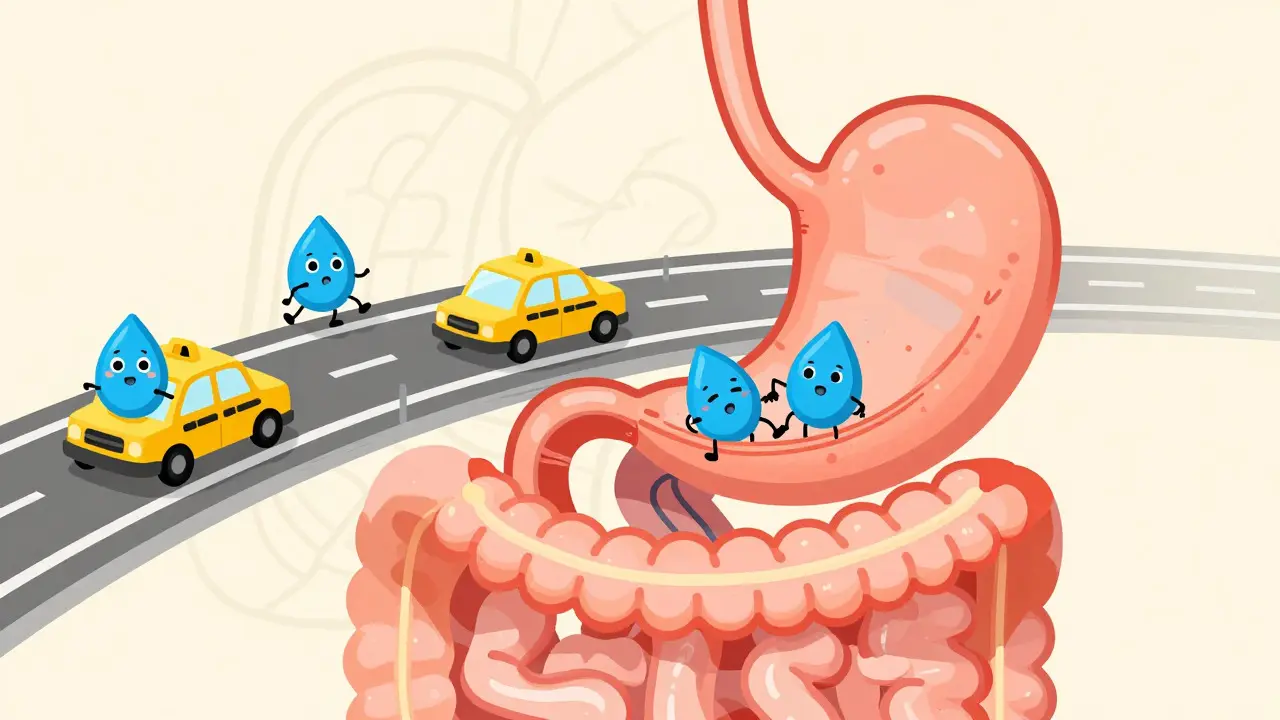
This is where lipids come in. Lipids are essentially fats, oils, and waxes. When you consume them, your body triggers a complex physiological response. Your gallbladder releases bile salts, and your pancreas secretes enzymes like lipase. These components work together to break down dietary fats into smaller molecules. In doing so, they create microscopic structures called mixed micelles. Think of these micelles as tiny taxis that pick up drug molecules and ferry them across the intestinal wall into your blood. Without this natural transport system, many poorly soluble drugs would simply pass through your body unused.
How Lipid-Based Formulations Work
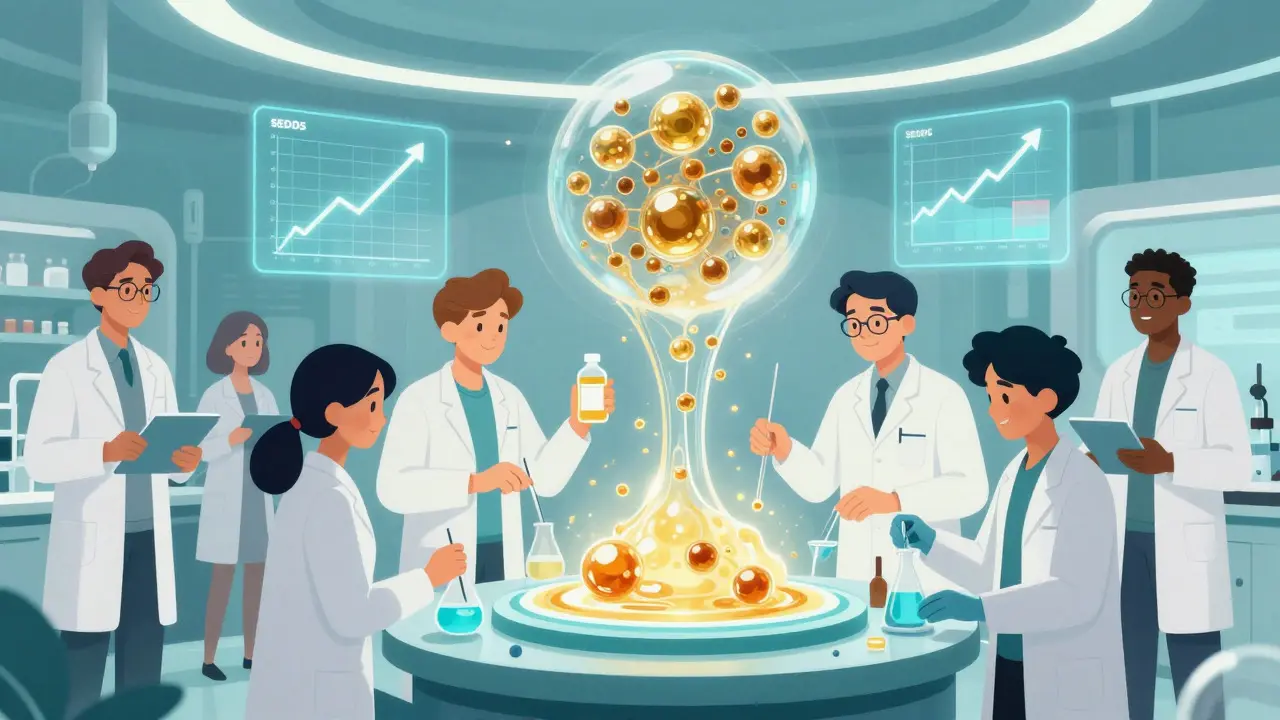
Pharmaceutical scientists have learned to harness this natural process by engineering medications directly into lipid vehicles. Instead of a standard tablet, these drugs are dissolved or suspended in oils before they even reach your stomach. The most common type of technology used here is Self-Emulsifying Drug Delivery Systems (SEDDS). As the name suggests, these formulations spontaneously emulsify-or mix-when they hit the fluids in your gut.
A typical SEDDS formulation contains three main ingredients:
- Oil Phase: Usually comprising 30-60% of the mixture, this includes medium-chain triglycerides (MCTs) like Capmul MCM. MCTs are preferred over long-chain triglycerides because they digest much faster, achieving complete hydrolysis within 15-30 minutes in the duodenum compared to 60-90 minutes for longer chains.
- Surfactants: Making up 20-50% of the formula, substances like Cremophor EL or Tween 80 help stabilize the mixture and keep the drug dissolved.
- Cosolvents: Adding 10-30%, agents such as Transcutol HP further enhance solubility.
The Impact on Bioavailability
The results of using these lipid-based systems are dramatic. Clinical studies show that LBDDS can increase bioavailability by anywhere from 20% to 300% compared to traditional solid dosage forms. For example, the antifungal drug itraconazole, when formulated as the oral solution Sporanox®, achieves 2.8 times higher bioavailability than its capsule counterpart under fasting conditions. Similarly, the immunosuppressant cyclosporine, in its Neoral® formulation, demonstrates 20-30% higher bioavailability than the older Sandimmune® version.
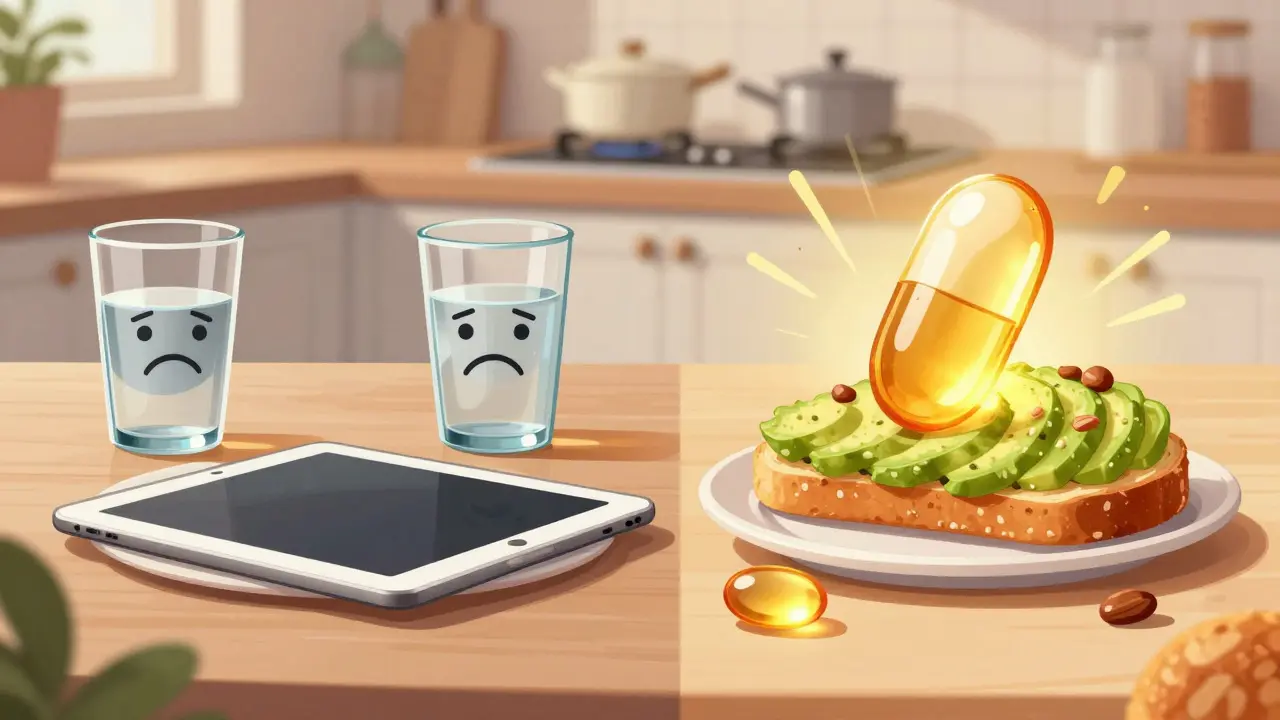
These improvements translate directly into better patient outcomes. Higher bioavailability means that lower doses can be effective, which reduces the risk of side effects. It also minimizes variability. With standard tablets, a heavy meal might block absorption, while an empty stomach might hinder it. Lipid-based formulations like Tricor® (fenofibrate) eliminate much of this unpredictability, showing 31% higher absorption than non-lipid versions and allowing for once-daily dosing instead of three times daily.
| Feature | Traditional Solid Dosage | Lipid-Based Formulation (SEDDS) |
|---|---|---|
| Bioavailability Increase | Baseline | 20-300% |
| Food Effect Variability | High (unpredictable) | Low (consistent) |
| Digestion Time | N/A | 15-30 mins (MCTs) |
| Manufacturing Cost | Standard | 25-35% higher |
| Best For | BCS Class I & III | BCS Class II & IV |
Real-World Patient Experiences
While the science is compelling, the real test is how patients experience these changes. In online pharmacy communities, users frequently discuss the switch from generic to lipid-based branded options. One transplant survivor noted that switching to the Neoral cyclosporine formulation eliminated the strict timing restrictions they previously had regarding meals. Another user highlighted that the lipid-based version of fenofibrate reduced the stomach upset commonly associated with older generics.
However, there are trade-offs. The primary complaint centers on cost. Commercial lipid-based formulations typically cost 20-40% more than their generic equivalents. For instance, a 30-day supply of Sporanox oral solution can cost around $1,200, whereas generic itraconazole capsules may only cost $300. This price gap creates access barriers, forcing patients to weigh therapeutic benefits against financial strain. Additionally, while lipid formulations reduce gastrointestinal side effects for many, they are not suitable for all drugs. Bisphosphonates, for example, require acidic environments for solubilization and may perform worse in lipid systems.
Challenges and Future Directions
Despite their advantages, lipid-based systems are not without limitations. Professor Christopher Porter of Monash University, a pioneer in this field, notes that the variability in human lipid digestion presents challenges, especially for patients with gastrointestinal disorders. Dr. Gordon Amidon of the University of Michigan cautions that predicting food effects remains difficult due to the complexity of individual meal compositions.
Furthermore, manufacturing these drugs is more complex and expensive. Development timelines extend by 6-12 months compared to conventional formulations, requiring specialized expertise in phase diagram construction and biorelevant dissolution testing. Stability is another concern; soft gelatin capsules are often required to protect the liquid contents, adding to packaging costs.
Looking ahead, the industry is moving toward next-generation solutions. Matinas BioPharma’s LNC technology platform has shown promise with enzyme-triggered release mechanisms, achieving 92% bioavailability for amphotericin B in recent trials. Researchers at MIT are even exploring “smart lipid capsules” that adjust drug release based on real-time pH and enzyme levels. With the global market for lipid-based delivery projected to grow from $5.8 billion in 2022 to $9.2 billion by 2028, these innovations aim to make personalized, highly efficient drug delivery the norm rather than the exception.
Frequently Asked Questions
What is a lipid-based drug delivery system?
A lipid-based drug delivery system (LBDDS) is a pharmaceutical formulation that uses fats, oils, or waxes to improve the solubility and absorption of drugs that do not dissolve well in water. These systems mimic the body's natural fat digestion process to enhance bioavailability.
Why should I take my medication with a fatty meal?
For certain lipid-based medications, consuming them with a fatty meal stimulates the release of bile salts and digestive enzymes. These create mixed micelles that act as carriers, helping the drug cross the intestinal wall and enter your bloodstream more efficiently.
Are lipid-based medications more expensive?
Yes, typically by 20-40%. The complex manufacturing process, specialized packaging like soft gelatin capsules, and higher raw material costs contribute to the increased price compared to traditional generic tablets.
Which drugs benefit most from lipid-based delivery?
Drugs classified as BCS Class II (low solubility, high permeability) and BCS Class IV (low solubility, low permeability) benefit the most. Examples include antifungals like itraconazole, immunosuppressants like cyclosporine, and cholesterol medications like fenofibrate.
Do lipid-based medications cause fewer side effects?
Often, yes. Because the drug is already dissolved in the lipid vehicle, it is less likely to irritate the stomach lining. Studies show that 87% of patients switching to lipid-based fenofibrate reported fewer gastrointestinal issues compared to non-lipid versions.
What is the difference between MCTs and LCTs in medication?
Medium-chain triglycerides (MCTs) digest much faster than long-chain triglycerides (LCTs). MCTs achieve complete hydrolysis in 15-30 minutes, providing quicker drug release, whereas LCTs can take 60-90 minutes. Most modern lipid formulations prefer MCTs for this reason.
Can everyone use lipid-based medications?
Most people can, but those with specific gastrointestinal disorders that affect fat digestion may experience variable results. Additionally, patients on strict low-fat diets may see reduced efficacy if they do not consume enough dietary fat to trigger the necessary physiological response.
charlie student
August 7, 2026 AT 19:27it is wild to think about how much of our biology is just chemistry trying to find a way out. the idea that we need fat to unlock medicine feels like a hack in the human operating system. i guess nature intended for us to eat dense foods with our nutrients but now we are engineering pills to mimic that process. it makes you wonder if we are fighting our own digestion or working with it.
Gary Browne
August 7, 2026 AT 19:58so basically if you want your expensive meds to work you have to eat a burger first? sounds like a scam to me. why can't they just make the pill dissolve without needing my gallbladder to do extra work. this seems like another way pharma companies justify charging more for the same chemical compound. typical.
Christina Thygesen
August 8, 2026 AT 07:41i feel like people forget how hard it is to stick to any medication routine especially when you have to time it with specific meals. it adds so much mental load to already stressful days. knowing that skipping a fatty meal could mean the drug doesn't work at all is terrifying for someone who struggles with consistency. empathy for anyone on these regimens.
Minal Aditi
August 9, 2026 AT 22:07oh look another reason to pay double for the privilege of being healthy. the 'lipid-based' magic potion that costs $1200 instead of $300 because apparently science is a luxury good now. enjoy your micelles while you drown in debt. truly inspiring stuff.
Diane Nash
August 11, 2026 AT 15:09the pharmacokinetic implications of lipid-based delivery systems represent a significant paradigm shift in bioavailability optimization. however one must consider the socioeconomic barriers introduced by the increased manufacturing costs which often exclude lower income demographics from accessing these superior formulations. it is a triumph of engineering yet a failure of equitable distribution.
Alli Crumley
August 13, 2026 AT 08:59let's be real here the BCS classification is not just some abstract academic concept it is the gatekeeper of therapeutic efficacy. if you are taking a Class II drug and ignoring the food effect you are literally flushing money down the toilet. the SEDDS technology isn't optional it is essential for proper solubilization and micellar transport. stop being cheap and take the soft gel.
Marc H
August 14, 2026 AT 17:23absolutely riveting stuff. i never realized my stomach was such a picky eater. i suppose i should start treating my liver like a VIP lounge rather than a dumping ground. thanks for the insight into the microscopic taxi service running through my intestines every day. quite the journey.
Chris McQuaid
August 16, 2026 AT 00:44you guys are missing the bigger picture here. the issue is not just absorption it is the fundamental misunderstanding of gastrointestinal physiology by the average consumer. most people think swallowing a pill is enough but without the bile salt stimulation the permeability barrier remains intact. it is basic biophysics really.
sam howard
August 18, 2026 AT 00:26facts only
Tegan Morey
August 19, 2026 AT 11:03i love how this breaks down the complex science into something we can actually apply to our daily lives. it is so empowering to know exactly why certain instructions matter instead of just blindly following them. thank you for sharing this detailed explanation it really helps demystify the process and encourages better adherence to treatment plans. keep up the great work!