
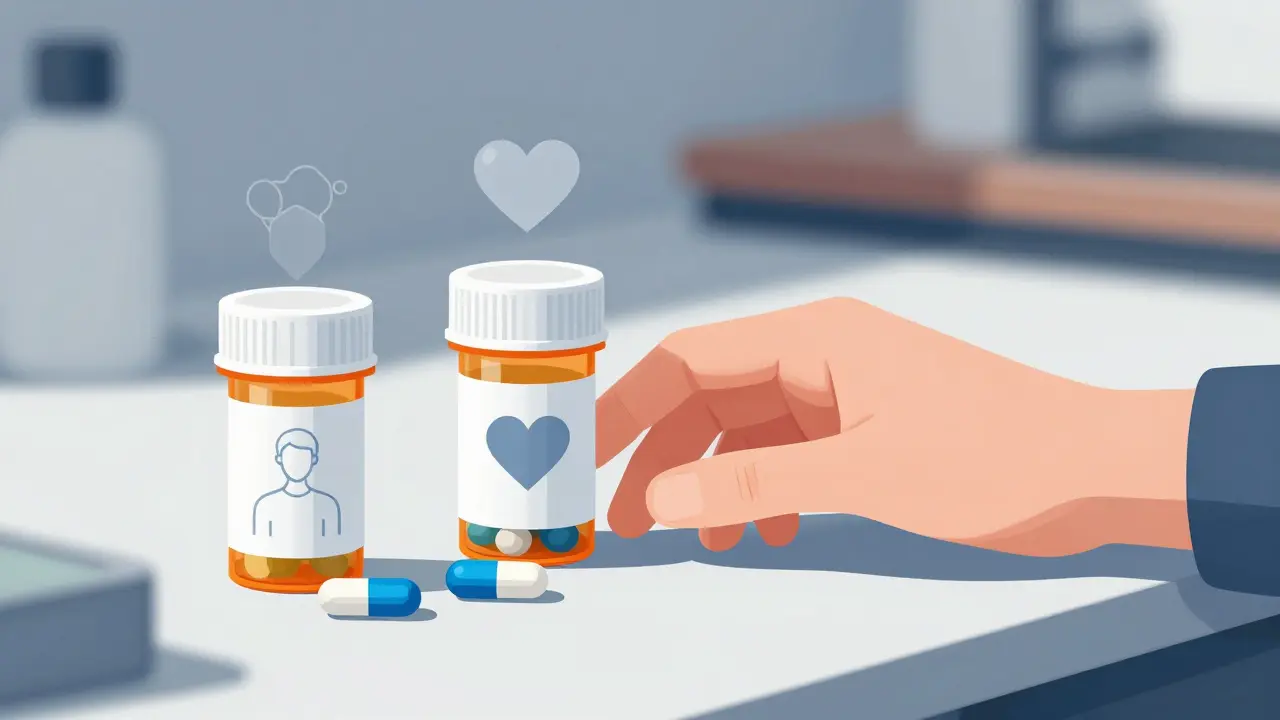
Imagine picking up a prescription for high blood pressure. The bottle looks familiar. The name sounds right. But you’ve actually been given a sedative instead. This isn’t a movie plot; it’s a real risk known as look-alike, sound-alike (LASA) medication errors. These mistakes happen when drug names or packaging are so similar that they confuse even experienced healthcare professionals. With generic medications making up the majority of prescriptions today, this problem is growing. In fact, research shows that roughly one in four medication errors stems from these confusing similarities. Understanding how these risks work-and what you can do about them-is crucial for your safety.
What Are Look-Alike, Sound-Alike Errors?
Let’s break down the term. Look-alike errors occur when two drugs have names that spell similarly or bottles that look identical in shape, color, and size. Think of hydroxyzine (an antihistamine) and hydralazine (a blood pressure med). They start with "Hydro" and often come in small blue capsules. Sound-alike errors happen when names sound the same when spoken aloud. For example, albuterol (for asthma) and atenolol (for heart rate) share that "-ol" ending and rhythm.
The World Health Organization (WHO) defines these as incidents where orthographic (visual) or phonetic (auditory) similarities lead to confusion during prescribing, dispensing, or administration. It’s not just about the name on the label. It’s about the entire package: the box, the pill color, the imprint on the tablet, and even the way a doctor dictates the order over a noisy phone line. When multiple manufacturers produce generics, they often use similar packaging designs to cut costs, which stacks the deck against accuracy.
Why Generic Drugs Increase the Risk
You might wonder, "Is this only a problem with brand-name drugs?" Actually, generics are at the center of the issue. Brand names are usually unique and trademarked, designed to stand out. Generics, by definition, must be bioequivalent to the brand but don’t always have distinct visual identities. One manufacturer might make a white oval pill, while another makes a white round pill for the same active ingredient-but if the name is similar to a different drug entirely, the visual cue doesn’t help much.
Consider the case of Valtrex (valacyclovir) and Valcyte (valganciclovir). Both start with "Val," both are used for patients with weakened immune systems, but they treat completely different viruses. Confusing them can lead to severe complications. As more hospitals switch to generic-only formularies to save money, the pool of potential LASA pairs expands. The Institute for Safe Medication Practices (ISMP) has documented nearly 1,000 such pairs that contribute to name confusion.
| Drug A | Drug B | Type of Confusion | Potential Harm |
|---|---|---|---|
| Hydralazine | Hydroxyzine | Look-Alike & Sound-Alike | Sedation vs. Blood Pressure Drop |
| Dopamine | Dobutamine | Sound-Alike | Heart Rate Instability |
| Valtrex | Valcyte | Look-Alike (Brand/Generic) | Incorrect Antiviral Therapy |
| Prednisone | Prednisolone | Look-Alike | Dosing Differences |
Where Do These Mistakes Happen?
Medication errors aren’t isolated events. They happen at every step of the process. According to data from Merative, about 68% of medication errors occur during administration (when the nurse gives the drug), and 24% happen during prescribing (when the doctor writes the order). Dispensing errors (at the pharmacy counter) account for the rest.
In a busy hospital, a doctor might dictate "give him hydroxyzine" for anxiety. The transcriptionist hears "hydralazine." The pharmacist sees the order, picks the similar-looking blue capsule, and sends it to the floor. The nurse, rushing between rooms, scans the barcode-but sometimes scanners fail or are bypassed in emergencies. By the time the patient receives the wrong drug, the system has failed multiple times. Dr. David Bates from Harvard Medical School notes that these are "systems failures," not just individual mistakes. Blaming one person doesn’t fix the broken process.
How Healthcare Systems Are Fighting Back
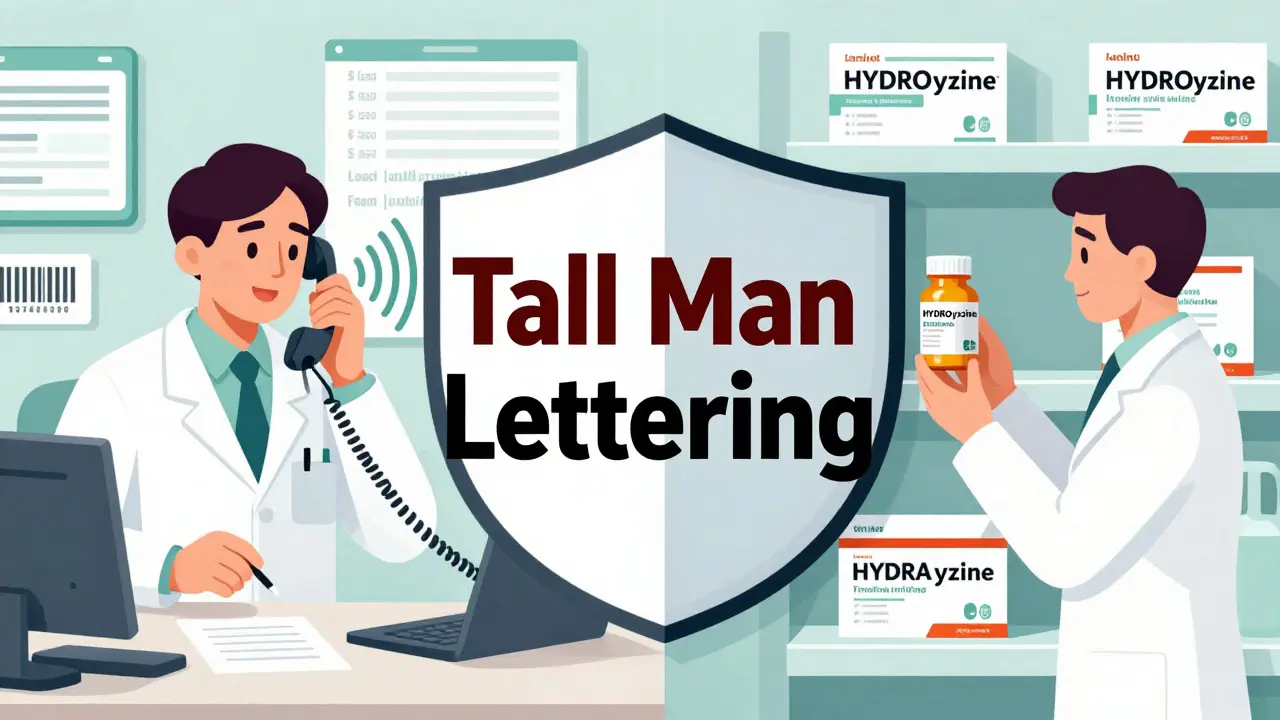
We’re not powerless against these errors. Several strategies have proven effective. The most famous is Tall Man Lettering. This involves capitalizing specific letters in drug names to highlight differences. For example, writing predniSONE and predniSOLONE makes the distinction obvious to the eye. Studies show this simple change can reduce LASA errors by up to 67% in some hospital systems.
Technology plays a huge role too. Electronic Health Records (EHRs) now include "Do Not Confuse" lists. If a doctor tries to prescribe a drug that sounds like another one the patient is already taking, the system pops up an alert. AI-powered clinical decision support is even better. A 2023 study found that AI embedded in EHRs reduced LASA errors by 82%, flagging 98.7% of potential mistakes with very few false alarms. Barcode scanning is another critical layer. It ensures the right patient gets the right drug at the right time.
Hospitals also physically separate LASA drugs in their storage areas. You won’t find dopamine sitting next to dobutamine on the shelf. They’re placed in different sections to prevent accidental grabs. The ISMP updates its list of confused drug names quarterly, helping facilities stay ahead of new risks.
What You Can Do as a Patient
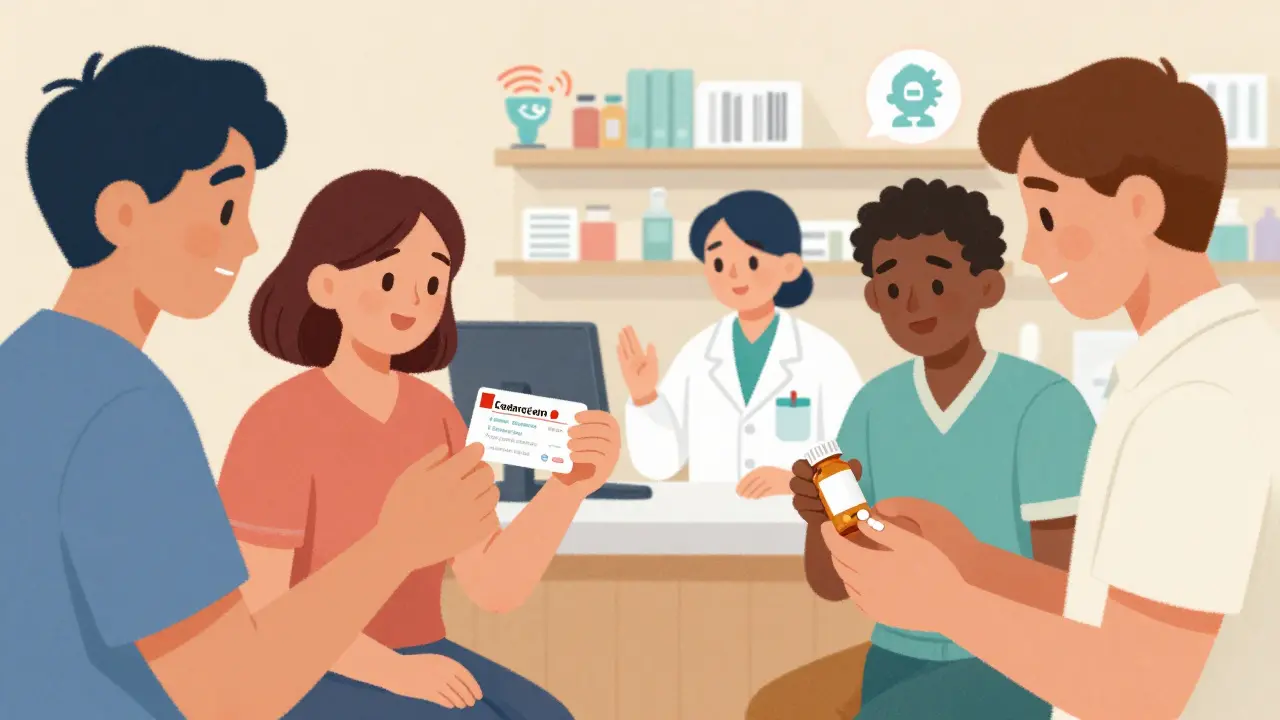
You are the final checkpoint in your own care. Don’t assume the system is perfect. Here are practical steps to protect yourself:
- Ask for the purpose: Always ask your pharmacist, "What is this medication for?" If they say "blood pressure" but you were prescribed something for allergies, stop immediately.
- Check the name: Compare the name on the bottle with your prescription slip. Look closely at the spelling. Does it match exactly?
- Inspect the appearance: If you refill a generic and the pills look different from last time (different color, shape, or imprint), call the pharmacist before taking them. Generics can vary slightly between manufacturers, but drastic changes warrant a check.
- Use one pharmacy: Sticking to one pharmacy allows the staff to build a complete history of your meds, reducing the chance of cross-confusion.
- Speak up: If a doctor writes a name unclearly, ask them to clarify. If a nurse says a name that sounds unfamiliar, ask them to repeat it or show you the label.
For parents, extra caution is needed. Pediatric LASA errors are rare (fewer than 1 per 1,000 prescriptions), but the consequences can be severe due to children’s smaller body mass. Always double-check dosages and names for kids’ medications.
The Future of Medication Safety
The landscape is changing. Regulatory bodies like the FDA and the European Medicines Agency are getting stricter. The FDA rejected 34 drug name applications in 2021 specifically because they sounded too similar to existing drugs. The WHO’s "Medication Without Harm" challenge aims to cut severe medication-related harm by 50% globally by 2025. This includes pushing for standardized packaging for high-risk drugs, so a certain antibiotic always comes in a distinct red box, regardless of the manufacturer.
However, challenges remain. Not all hospitals have upgraded their AI systems. Not all pharmacies use tall man lettering consistently. And human error is still part of the equation. The goal isn’t perfection-it’s robust defense layers. When one fails, another catches the mistake.
Are generic drugs less safe than brand-name drugs?
No, generic drugs are equally effective and safe in terms of active ingredients. However, they may pose higher risks for look-alike, sound-alike errors because packaging and naming conventions are less distinct across different manufacturers compared to unique brand names.
What is Tall Man Lettering?
Tall Man Lettering is a strategy where specific letters in drug names are capitalized to emphasize differences. For example, writing HYDROxyzine and HYDRAlazine helps visually distinguish between the two similar-sounding drugs, reducing selection errors.
How common are medication errors?
Medication errors are surprisingly common. Research indicates that approximately 10% of hospital patients experience a medication error, and LASA errors alone account for about 25% of all medication mistakes globally.
Can technology prevent all LASA errors?
Technology significantly reduces risks but cannot eliminate them entirely. AI and barcode scanning catch most errors, but system glitches, user bypasses, and new drug introductions require constant vigilance and updated software.
What should I do if I suspect I received the wrong medication?
Stop taking the medication immediately. Contact your pharmacist or prescribing doctor to verify the name and purpose. If you’ve already taken a dose and feel unwell, seek medical attention right away. Report the incident to your pharmacy so they can investigate and prevent future occurrences.