
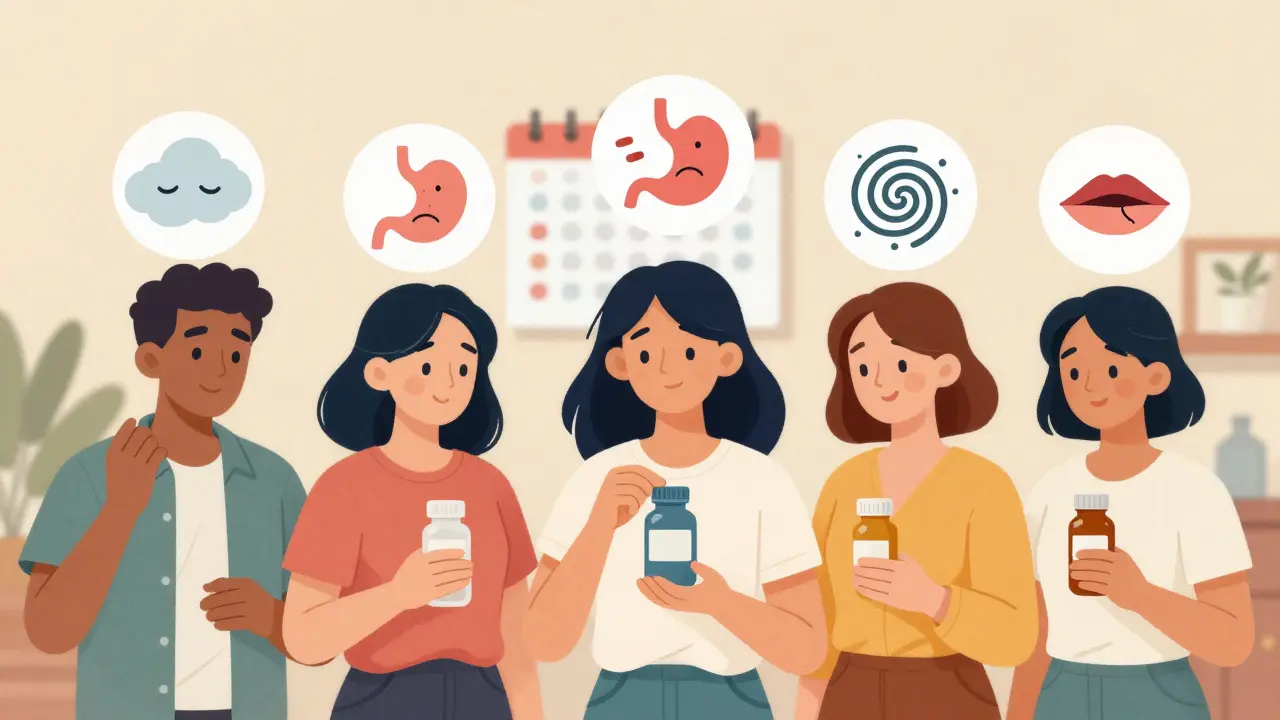
Almost everyone takes medication at some point. Whether it’s a daily pill for blood pressure, an antibiotic for an infection, or a pain reliever for a headache, drugs help us feel better. But they don’t come without risks. Side effects are common - and sometimes serious. The key isn’t avoiding medicine altogether, but knowing what’s normal, what’s warning, and when to act.
What Counts as a Side Effect?
A side effect, or adverse drug reaction, is any unwanted reaction to a medication taken at the right dose. It’s not a mistake. It’s not misuse. It’s simply how your body responds. About 75 to 80% of these reactions are predictable. They’re tied to how the drug works. For example, an antihistamine makes you drowsy because it blocks brain chemicals that keep you alert. That’s a Type A reaction. The other 15 to 20% are Type B - unpredictable. These aren’t about the drug’s purpose. They’re about your body’s immune system overreacting. A rash after taking penicillin? That’s Type B. It’s rare, but it can be life-threatening. The most common side effects you’ll hear about? They’re usually mild and annoying. Nausea. Dry mouth. Headache. Constipation. Dizziness. Fatigue. These show up in nearly every drug class - from blood pressure pills to antidepressants. According to MedStar Health’s 2023 guide, these are the top five: constipation, drowsiness, dizziness, fatigue, and headache. Harvard Health adds nausea, rash, and upset stomach to the list. They’re common because your digestive system is the first place drugs hit. Your stomach lining doesn’t care if the pill is meant to help your heart - it just knows something foreign is in there.When a Side Effect Isn’t Just Annoying
Not all side effects are harmless. The FDA defines a serious reaction as one that causes death, hospitalization, disability, birth defects, or life-threatening conditions. These are rare, but they happen. Anaphylaxis is one of the scariest. It’s a full-body allergic reaction. You might get a rash, swelling in your throat, trouble breathing, or a sudden drop in blood pressure. This can happen within minutes. If you’ve ever had a bad reaction to a drug before, you’re at higher risk. Always carry an epinephrine auto-injector if your doctor has prescribed one. Stevens-Johnson Syndrome (SJS) and Toxic Epidermal Necrolysis (TEN) are even rarer, but far more devastating. They start with flu-like symptoms - fever, sore throat - then explode into a painful, blistering rash that spreads and peels off like a burn. TEN covers more than 30% of your skin. It can damage your lungs, kidneys, and eyes. It’s often triggered by antibiotics, seizure meds, or gout drugs. DRESS (Drug Reaction with Eosinophilia and Systemic Symptoms) is another hidden danger. It causes fever, swollen lymph nodes, rash, and liver injury. It can show up weeks after starting a drug. Many people think it’s just the flu - until their liver fails. Other red flags: suicidal thoughts (especially with antidepressants or steroids), irregular heartbeat (common with certain antibiotics or heart meds), or unexplained bruising and bleeding (a sign your blood isn’t clotting right). These aren’t things to wait out.Special Cases: Chemo, Elderly, and Over-the-Counter Drugs
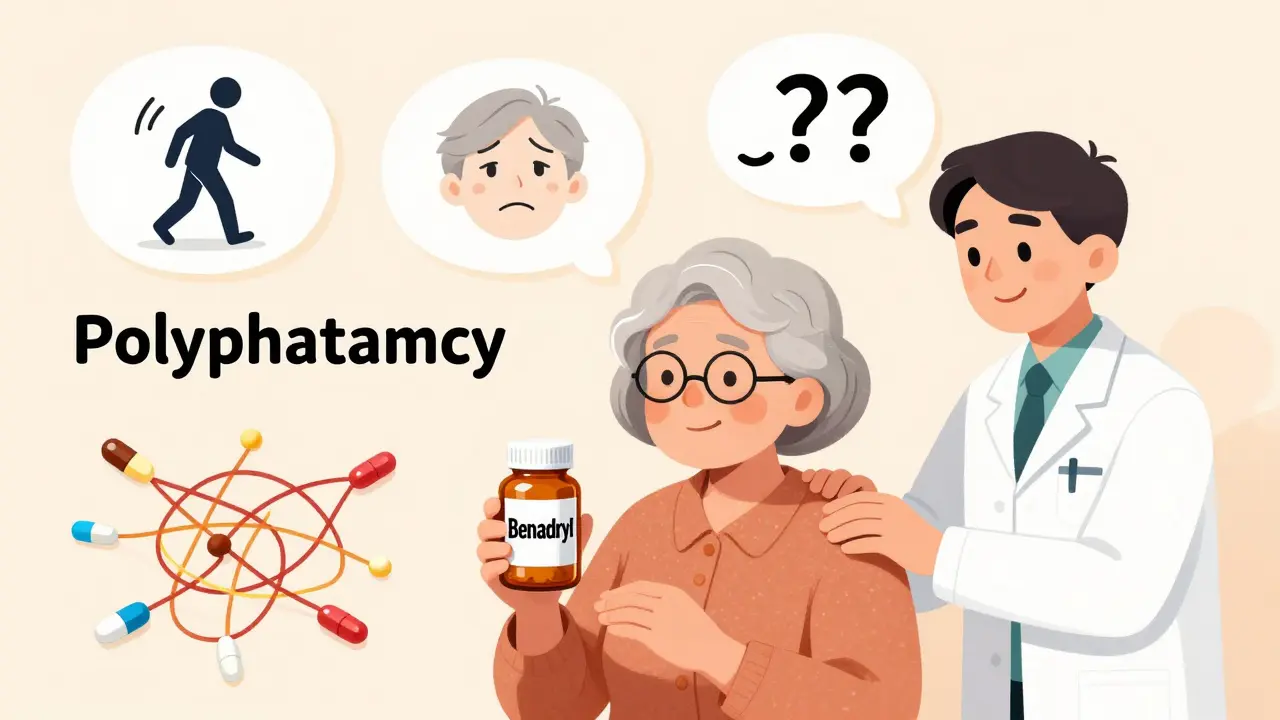
Cancer treatments are brutal by design. Chemotherapy kills fast-growing cells - including hair follicles, gut lining, and bone marrow. That’s why hair loss, nausea, fatigue, and low blood counts are so common. The good news? Most of these side effects fade after treatment ends. Radiation has its own patterns. Head and neck radiation often causes dry mouth. Abdominal radiation leads to diarrhea. Pelvic radiation can cause infertility or early menopause. These aren’t side effects - they’re expected outcomes. But they still need managing. Older adults are at higher risk. One in five people over 65 has an adverse drug reaction each year. Why? They often take five or more medications. Their kidneys and liver don’t clear drugs as quickly. Their brains are more sensitive to sedatives. Benzodiazepines like Xanax or Ativan? They can cause confusion, falls, and delirium in seniors. Even common OTC drugs like Benadryl (diphenhydramine) can be dangerous. It blocks acetylcholine - a brain chemical needed for memory and muscle control. That’s why so many older people on Benadryl end up confused or falling. And don’t forget the stuff you buy without a prescription. NSAIDs like ibuprofen or naproxen can cause stomach bleeding or kidney damage. Even acetaminophen, if taken too often, can wreck your liver. These aren’t harmless. They’re drugs - with real risks.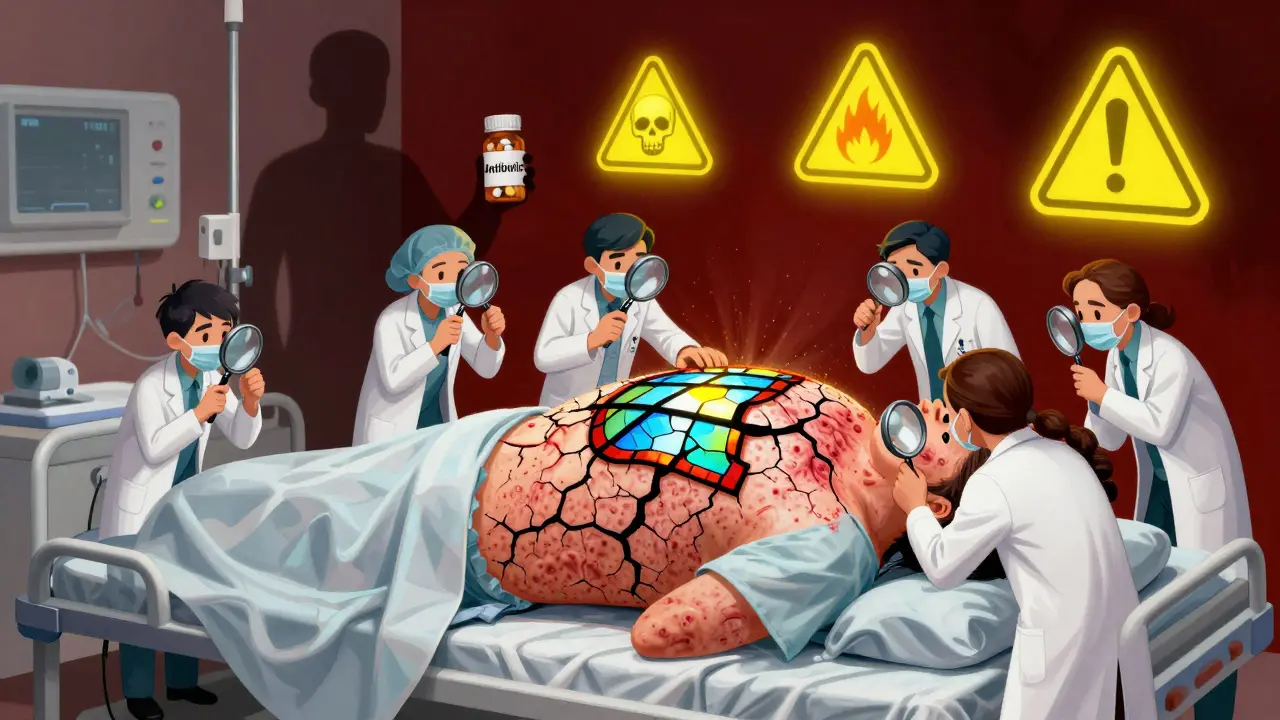
Drug Interactions: The Hidden Danger
You might take your pill exactly as directed - but still have a bad reaction. Why? Because you’re mixing it with something else. Grapefruit juice is a classic culprit. It interferes with how your liver breaks down more than 85 drugs. That includes statins for cholesterol, blood pressure meds like amlodipine, and even some anti-anxiety drugs. One glass can raise drug levels to dangerous levels. Alcohol is another silent killer. Mixing it with opioids (like oxycodone), benzodiazepines (like Valium), or sleep aids can slow your breathing to a stop. Thousands die this way every year. Even herbal supplements can cause trouble. St. John’s Wort can make birth control fail. Garlic supplements can thin your blood too much if you’re on warfarin. Turmeric? It can interfere with diabetes meds. Always tell your doctor or pharmacist what you’re taking - even if it’s “just a natural remedy.”When to Report a Side Effect
You don’t need to wait for a crisis. If a side effect is:- Worse than expected
- Getting worse over time
- Interfering with daily life (sleep, work, eating)
- Appearing after you started a new drug
- Or just feels “off” - trust your gut
What You Can Do Right Now
- Keep a side effect journal. Write down what you took, when, and how you felt. This helps your doctor spot patterns.
- Know your meds. Use trusted sources like the NHS Medicines A-Z or the National Library of Medicine’s Drug Information Portal to learn about your pills.
- Ask your pharmacist: “What are the most common side effects of this? What should I watch for?” They’re trained for this.
- Never share your meds. What’s safe for you could kill someone else.
- Review your meds twice a year. Are you still taking everything? Are any no longer needed? Polypharmacy is the silent killer.
Final Thought: Don’t Fear Medicine - Respect It
Medications save lives. But they’re not magic. They’re powerful tools. Like a chainsaw, they work best when you know how to use them - and when you respect their danger. If you’re worried about a side effect, speak up. You’re not being difficult. You’re being smart. And you might just save your own life - or someone else’s.Are all side effects dangerous?
No. Most side effects are mild and temporary - like a dry mouth or slight dizziness. These often fade after a few days as your body adjusts. But if a side effect is new, worsening, or affecting your daily life, it’s worth discussing with your doctor. Don’t assume it’s normal just because it’s common.
Can over-the-counter drugs cause serious side effects?
Yes. Many people think OTC means safe, but that’s not true. NSAIDs like ibuprofen or naproxen can cause stomach ulcers or kidney damage with long-term use. Acetaminophen (paracetamol) can lead to liver failure if you take too much - even slightly over the daily limit. Antihistamines like Benadryl can cause confusion and falls in older adults. Always read the label and check with your pharmacist if you’re unsure.
Why do some people get side effects and others don’t?
It depends on your body. Age, liver and kidney function, genetics, other medications, and even your diet can change how a drug affects you. Older adults, people with chronic diseases, and those taking multiple drugs are at higher risk. Women may react differently than men. And some people have genetic variations that make them process drugs slower or faster.
What should I do if I miss a dose and then feel weird?
Missing a dose can sometimes cause withdrawal-like symptoms - especially with antidepressants, blood pressure meds, or steroids. Feeling shaky, anxious, dizzy, or nauseous after missing a pill isn’t always a side effect of the drug - it might be your body reacting to its absence. Don’t double up. Call your doctor or pharmacist. They’ll tell you whether to skip, take it late, or adjust.
Is it safe to stop a medication if the side effects bother me?
Never stop a prescribed medication without talking to your doctor first. Stopping suddenly can be dangerous. For example, quitting antidepressants too fast can cause brain zaps, vomiting, or seizures. Stopping blood pressure meds can spike your pressure to dangerous levels. Your doctor can help you taper off safely or switch to a better option.
How do I report a side effect in New Zealand?
In New Zealand, report side effects to the Centre for Adverse Reactions Monitoring (CARM). You can do this online at carm.govt.nz, by phone, or through your doctor. Even if you’re not sure it’s related - report it. CARM collects data from patients and health professionals to spot safety trends. Your report helps protect others.
Can side effects show up months after starting a drug?
Yes. Some reactions, like DRESS syndrome or certain types of liver injury, can take weeks or even months to appear. That’s why it’s important to stay aware, even if you’ve been on a drug for a while. If you develop unexplained fever, rash, swollen glands, or yellowing skin, get checked - even if you think it’s unrelated.
Do herbal supplements have side effects too?
Absolutely. Just because something is “natural” doesn’t mean it’s safe. St. John’s Wort can make birth control fail and interfere with antidepressants. Ginkgo biloba can increase bleeding risk. Kava can damage your liver. Many people don’t tell their doctors they’re taking herbs - but those herbs can react badly with prescription meds. Always list everything you take, including vitamins and supplements.
jonathan soba
January 27, 2026 AT 20:18matthew martin
January 27, 2026 AT 21:26Chris Urdilas
January 29, 2026 AT 06:26Jeffrey Carroll
January 30, 2026 AT 18:30Irebami Soyinka
January 31, 2026 AT 08:51doug b
February 1, 2026 AT 02:38Katie Mccreary
February 2, 2026 AT 01:48SRI GUNTORO
February 2, 2026 AT 11:41Kevin Kennett
February 2, 2026 AT 13:26Jess Bevis
February 2, 2026 AT 23:00Rose Palmer
February 3, 2026 AT 22:20Howard Esakov
February 4, 2026 AT 18:34Kathy Scaman
February 6, 2026 AT 17:17Mindee Coulter
February 8, 2026 AT 13:41