
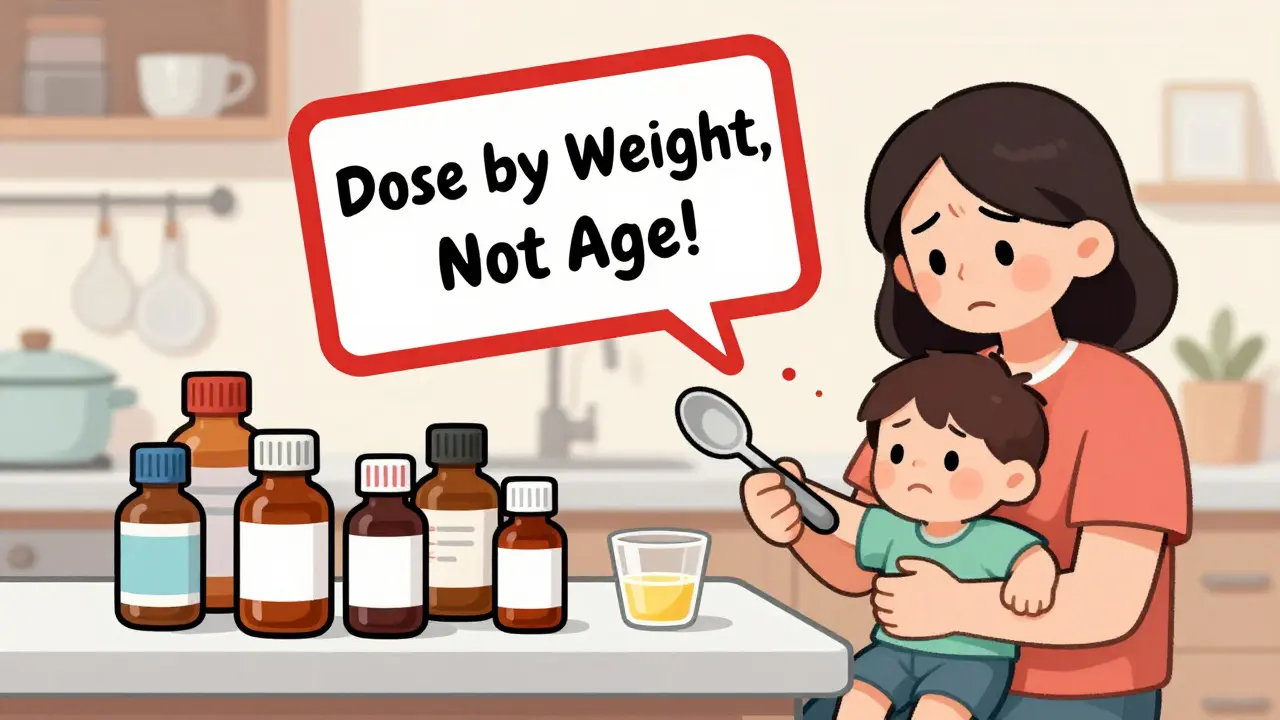
Medication errors at home are common and often preventable. Learn the top mistakes people make with pills and liquids, why they happen, and how to avoid them for yourself and your loved ones.
read more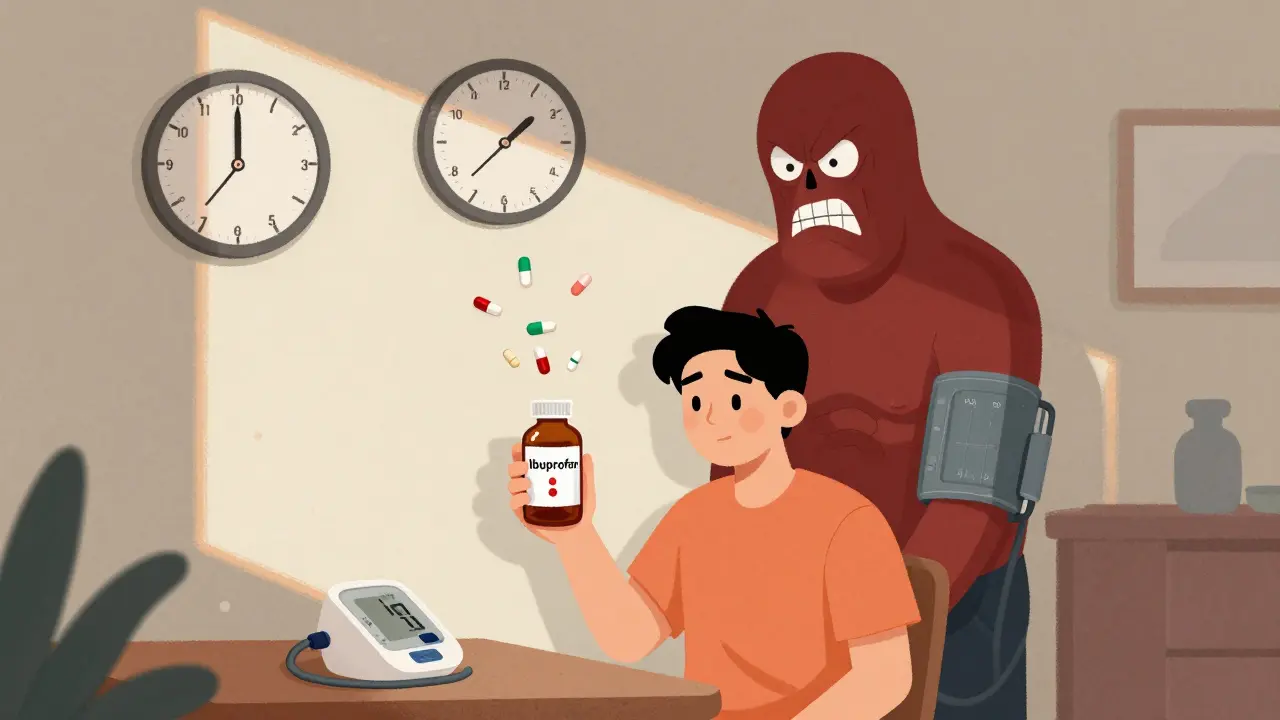
Certain medications like NSAIDs, steroids, and decongestants can raise blood pressure without warning. Learn which drugs are most likely to cause it, how to monitor your levels, and what to do if your pressure climbs - without adding more pills.
read more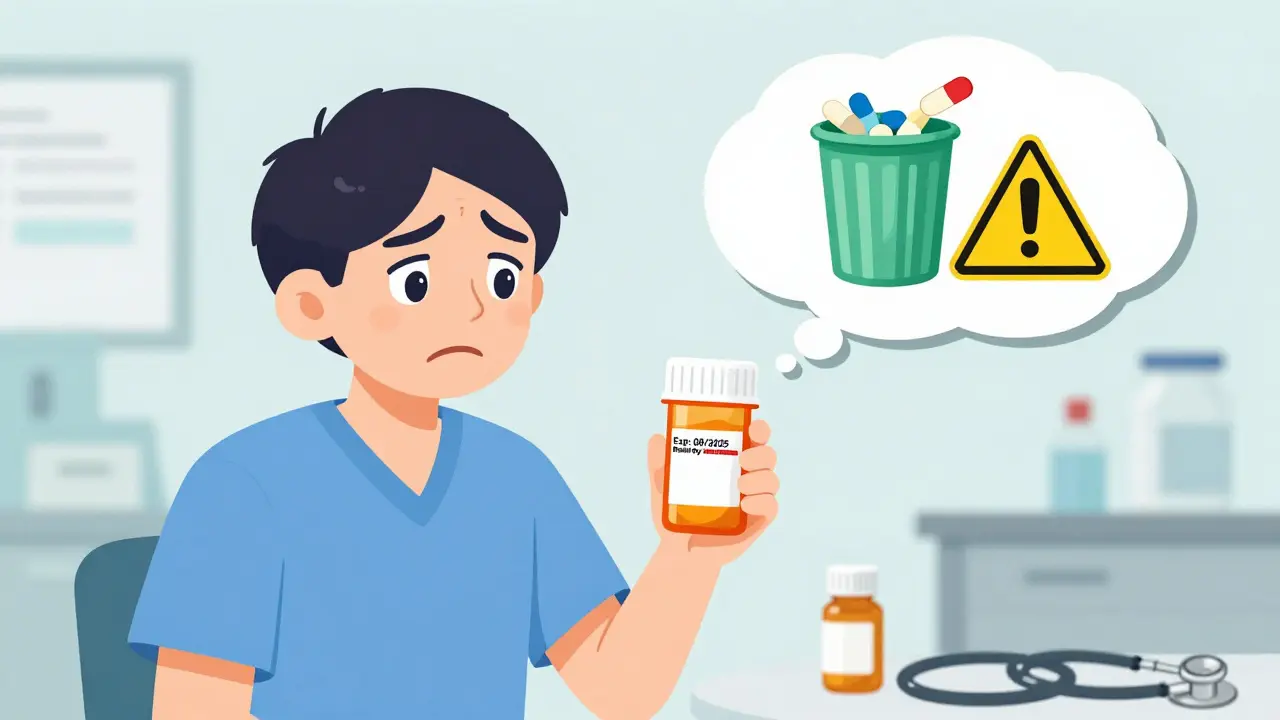
Learn the crucial difference between refill-by and expiration dates on prescription labels to avoid dangerous mistakes, wasted medication, and treatment gaps. Know when to refill and when to toss.
read more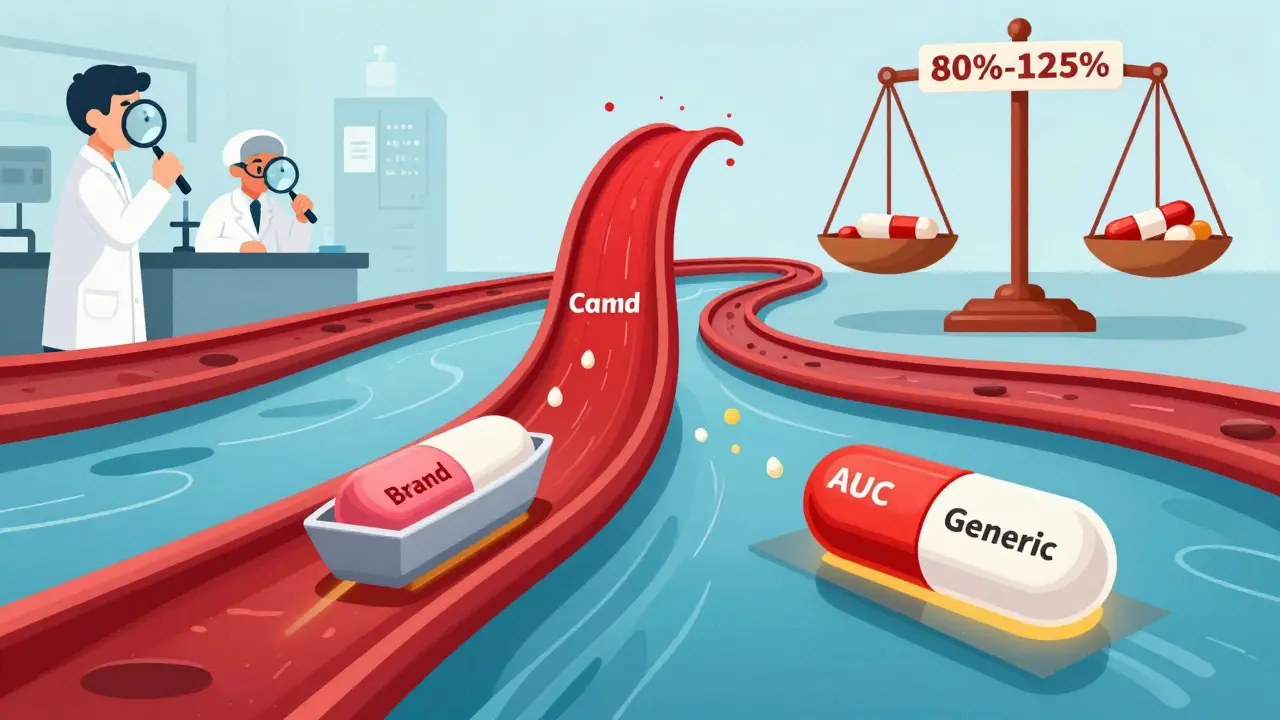
Cmax and AUC are the two key pharmacokinetic measures used to prove generic drugs work the same as brand-name versions. They track peak concentration and total exposure - and both must fall within strict limits to ensure safety and effectiveness.
read more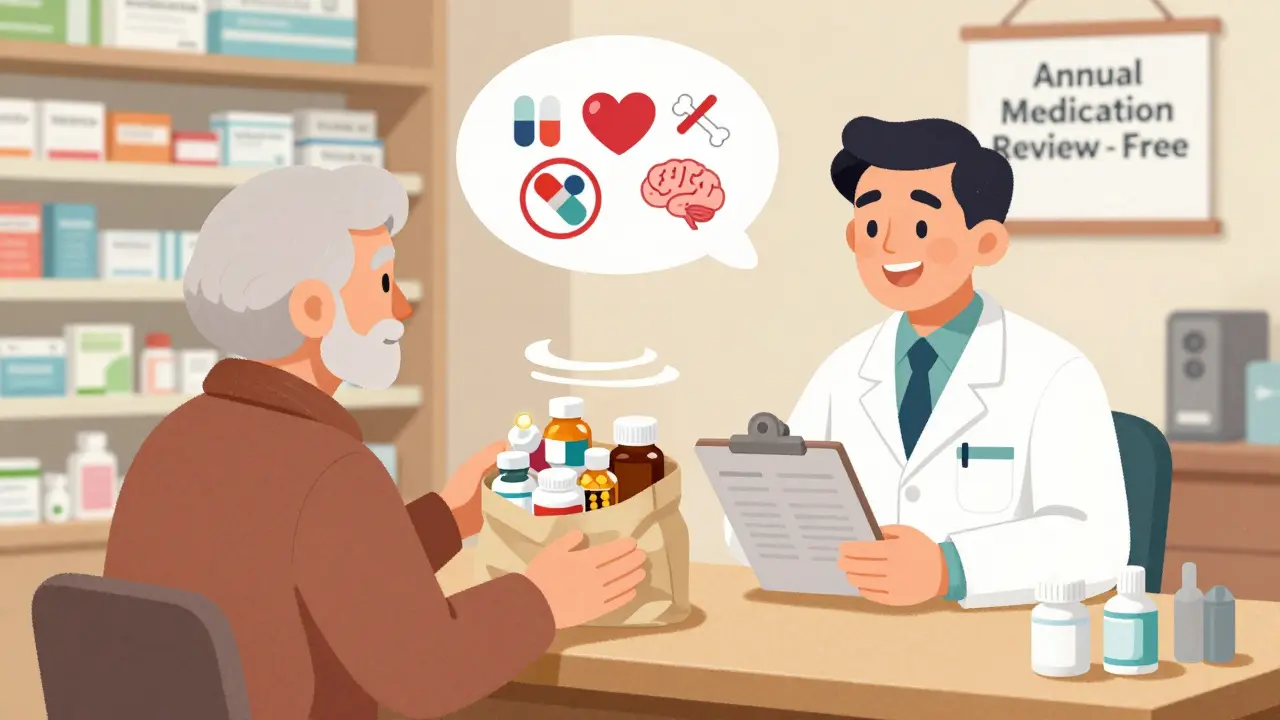
An Annual Medication Review with a pharmacist helps reduce side effects, stop unnecessary drugs, and prevent dangerous interactions. Learn how this free service keeps you safer and healthier.
read more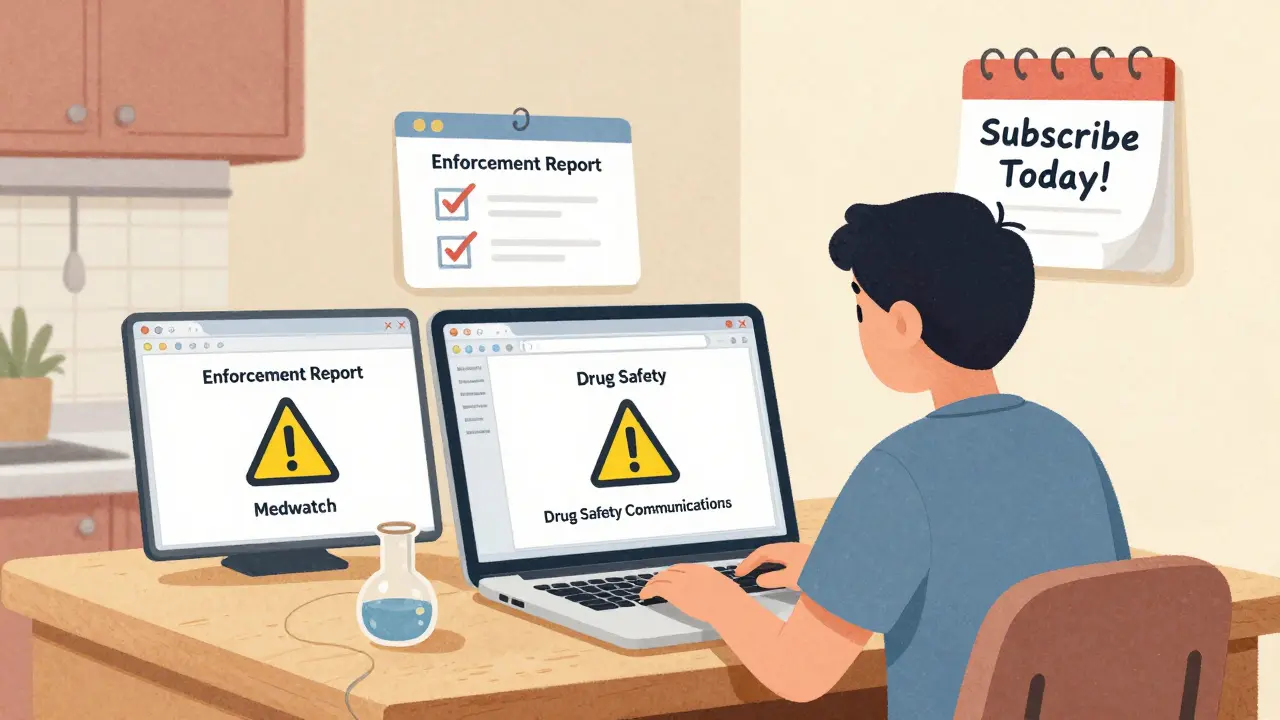
Learn how to subscribe to FDA drug safety alerts for recalls, medication warnings, and adverse events. Free, easy, and life-saving updates for patients and providers.
read more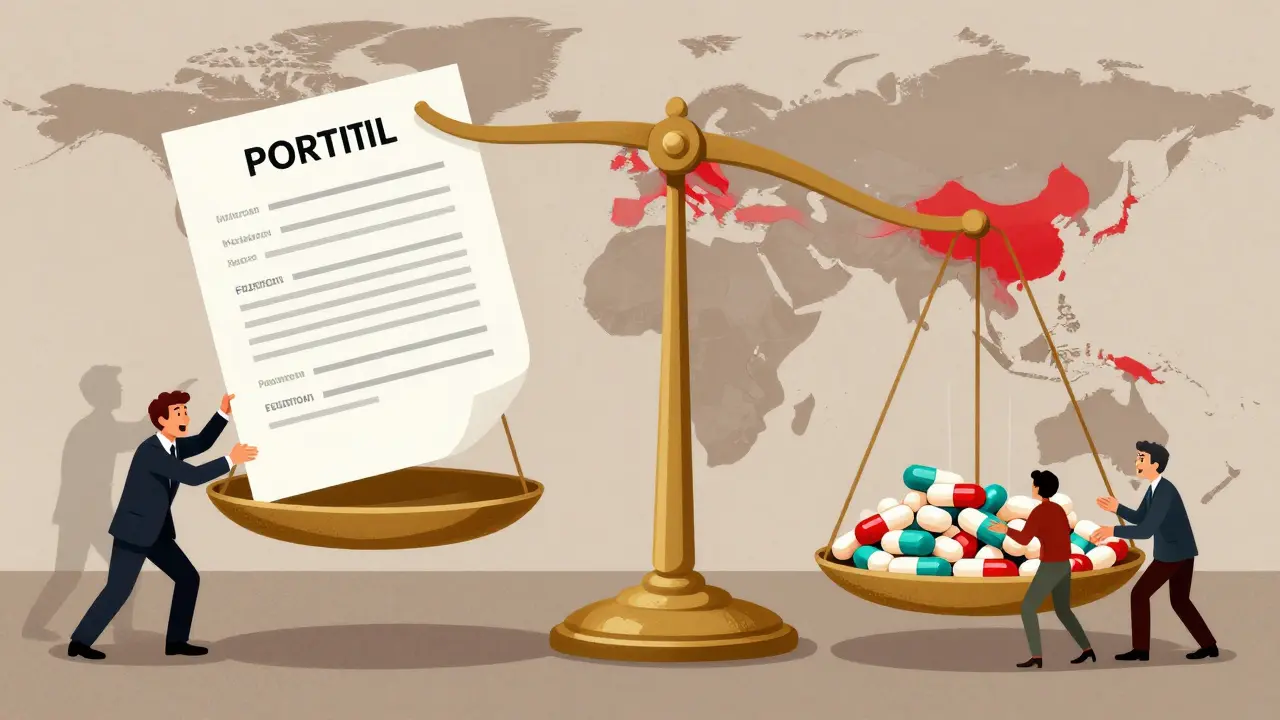
The TRIPS Agreement enforces global patent rules that restrict access to affordable generic medicines, especially in low-income countries. Despite legal flexibilities, political pressure and complex procedures prevent most nations from using them.
read more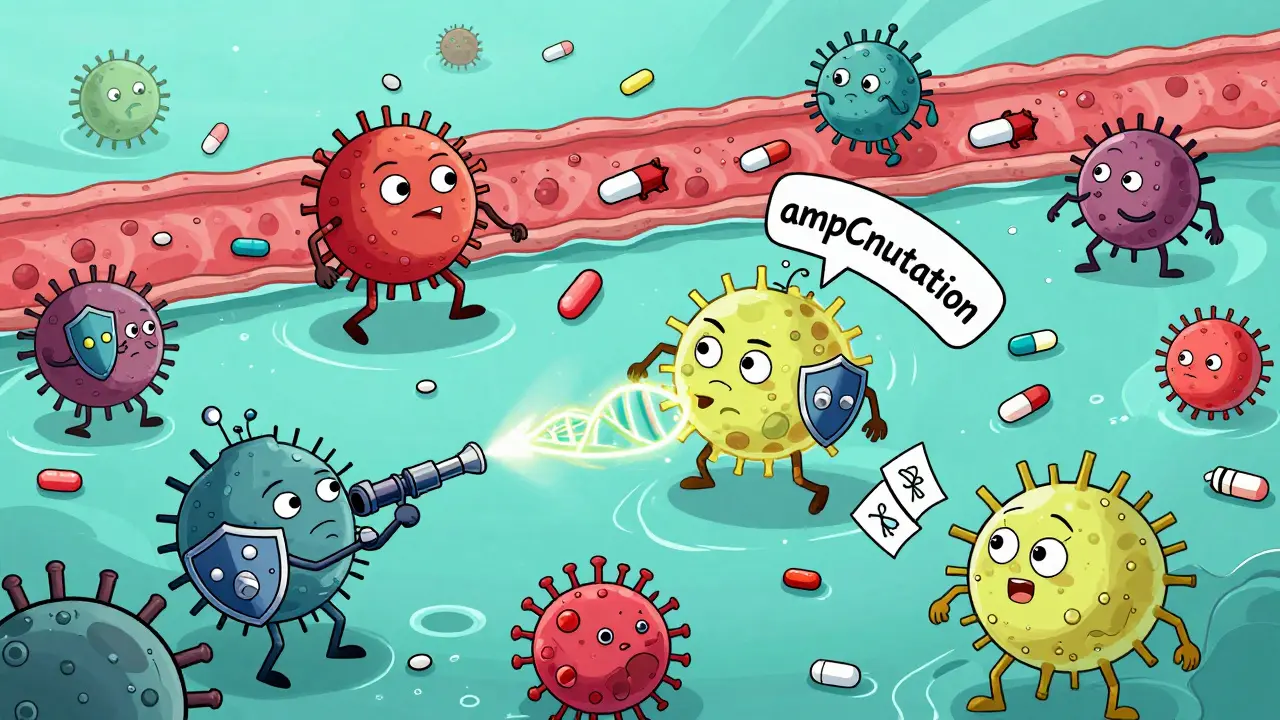
Antibiotic resistance is killing over a million people yearly due to bacterial mutations and misuse. Learn how resistance develops, why common practices make it worse, and what you can do to help stop it.
read more
Learn the essential documentation requirements pharmacists must follow when substituting generic drugs. State laws vary, but accurate records prevent errors, ensure compliance, and protect patient safety.
read more
Switching from a brand-name drug to an authorized generic saves money without sacrificing effectiveness. Learn how to confirm you're getting the real thing and why it's safe, identical, and often required by insurance.
read more
Paragraph IV certifications let generic drug makers challenge brand patents before launching. This legal tool under the Hatch-Waxman Act has saved U.S. consumers over $2 trillion since 1984 by speeding up generic access.
read more
Extended-release and immediate-release medications work differently, affecting safety, timing, and side effects. Learn when each is appropriate, the hidden risks of ER pills, and how to avoid dangerous mistakes.
read more